
2026 World Cup Preparation: What Supporters Need to Know About Host Cities
As the United States, Mexico, and Canada gear up to host the FIFA World Cup 2026, football fans worldwide are eagerly anticipating details about the host cities and their readiness. This guide explores the key aspects supporters should watch.
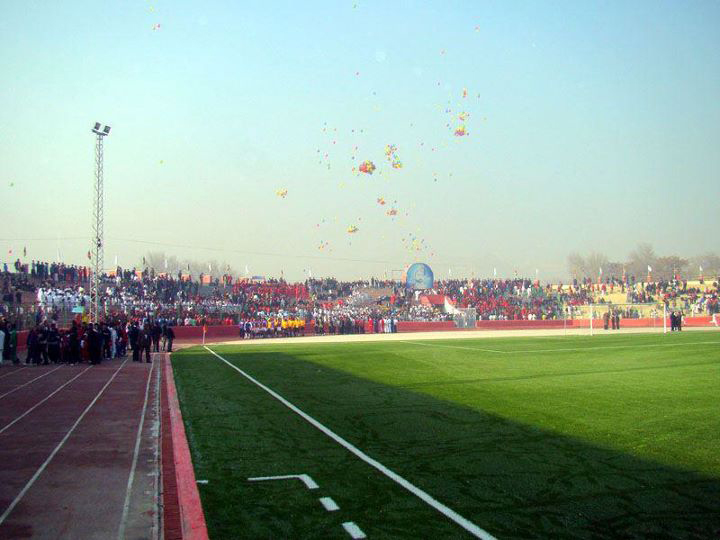

The FIFA World Cup 2026 is poised to be an unprecedented event, spanning three nations – the United States, Mexico, and Canada – and featuring an expanded format with 48 teams. For supporters planning to attend or simply following the monumental undertaking, understanding the preparations underway in the 16 host cities is crucial. Beyond the matches themselves, the fan experience will be shaped by infrastructure, transportation, accommodation, and city-specific initiatives.
What supporters should watch as the United States, Mexico, and Canada prepare venues and logistics is a complex tapestry of stadium upgrades, urban development, and intricate logistical planning. FIFA, in collaboration with local organizing committees, is overseeing a massive effort to ensure each city is ready to welcome the world.
Venue Upgrades and Fan Infrastructure
The backbone of any World Cup is its stadiums. While many North American venues are already world-class, significant enhancements are in progress or planned to meet FIFA’s stringent requirements for player facilities, media operations, and fan experience. These upgrades often include expanding seating capacity, improving hospitality suites, and enhancing connectivity.
For supporters, the key areas of focus within venues will be:
- Seating and Accessibility: Ensuring comfortable seating for a global audience, alongside robust accessibility features for fans with disabilities.
- Concessions and Amenities: Modernizing food and beverage options, and improving restroom facilities to handle large crowds efficiently.
- Technology Integration: Enhancements like high-speed Wi-Fi, large video screens, and mobile ticketing systems are becoming standard.
- Fan Zones and Pre-Match Activities: Dedicated areas outside stadiums where fans can gather, enjoy entertainment, and participate in cultural events before kickoff. These fan zones are critical for creating a vibrant atmosphere beyond the match itself.
Cities like Kansas City, with Arrowhead Stadium, are already discussing significant investments in their facilities. Similarly, the iconic Estadio Azteca in Mexico City, set to become the first stadium to host three World Cups, is undergoing substantial renovations to modernize its infrastructure while preserving its historic essence. Vancouver’s BC Place and Toronto’s BMO Field in Canada also have plans for capacity expansion and facility improvements.
Transportation and Urban Mobility
Navigating a host city during a major tournament can be challenging. Effective transportation planning is paramount for a smooth fan experience. Supporters should pay close attention to how each city plans to manage the influx of visitors.
Key aspects of transportation include:
- Public Transit Expansion: Many cities are investing in expanding or improving their public transportation networks, including subway, light rail, and bus services, to connect stadiums with accommodation hubs and tourist attractions.
- Dedicated Shuttle Services: The provision of special shuttles from key points in the city to stadium precincts.
- Traffic Management: Strategies to minimize congestion around venues on match days, often involving road closures and designated pedestrian zones.
- Airport Connectivity: Enhanced services and clear guidance for international arrivals and departures.
For example, Los Angeles, a major metropolitan hub, will leverage its extensive public transport system and is expected to implement significant traffic control measures around SoFi Stadium. New York/New Jersey, another densely populated area, will rely heavily on its commuter rail and bus networks. Mexican cities like Guadalajara and Monterrey, and Canadian hosts, will also need robust solutions to accommodate both local and international fans.
Accommodation and Hospitality
With millions of visitors expected, securing adequate accommodation is a major logistical hurdle. Supporters should monitor official channels for recommended hotels, alternative lodging options, and any specific booking portals FIFA or the organizing committees might endorse.
Considerations for accommodation:
- Hotel Capacity: The ability of cities to absorb the massive demand for hotel rooms.
- Alternative Lodging: The availability and regulation of short-term rentals (e.g., Airbnb) as supplementary options.
- Fan Villages: Some cities might establish dedicated fan villages offering a range of accommodation types and community spaces.
- Pricing and Availability: Supporters should anticipate higher prices and book well in advance, especially for popular matches.
The sheer scale of the tournament across three countries means that fans might travel between distant cities. This inter-city travel within the host nations will require careful planning regarding flight availability, train services, and rental car options.
Security and Safety Measures
Ensuring the safety and security of all participants and attendees is a top priority for any major international event. Supporters can expect enhanced security protocols in and around venues, fan zones, and major transportation hubs. These measures are developed in close coordination with national and local law enforcement agencies.
What to expect:
- Increased Presence: Visible presence of security personnel and law enforcement.
- Entry Screenings: Thorough bag checks and metal detectors at stadium entrances.
- Surveillance Technology: Deployment of advanced surveillance systems.
- Emergency Preparedness: Clear emergency procedures and communication channels.
These measures are designed to provide a safe environment without unduly impeding the fan experience.
Sustainability and Legacy
FIFA and the host nations have emphasized a commitment to sustainability. Supporters interested in the broader impact of the tournament should look for initiatives related to environmental protection, social responsibility, and economic legacy.
- Green Venues: Efforts to make stadiums more energy-efficient and reduce waste.
- Public Transport Emphasis: Reducing carbon footprint by encouraging the use of public transport.
- Local Economic Benefits: How the tournament aims to provide lasting economic benefits to host communities.
- Community Engagement: Programs designed to engage local communities and leave a positive social legacy.
Key Host City Preparations at a Glance
The following table provides a snapshot of some key areas of preparation for supporters to monitor across the host cities.
| Preparation Area | What Supporters Should Watch For | Why It Matters |
|---|---|---|
| Stadium Upgrades | Announcements on capacity, new facilities, fan zone plans. | Direct impact on match day experience, comfort, and atmosphere. |
| Transportation Plans | Public transit routes, shuttle services, traffic restrictions, airport links. | Ease of getting to/from matches, hotels, and attractions. |
| Accommodation Options | Official booking portals, availability across price points, alternative lodging solutions. | Securing suitable lodging, managing budget, proximity to venues. |
| Security Protocols | Clear guidelines on prohibited items, entry procedures, emergency information. | Personal safety and understanding what to expect at venues. |
| Fan Engagement | Details on cultural events, fan festivals, public viewing areas. | Enhancing the overall World Cup experience beyond the 90 minutes of football. |
The Unseen Challenges and What Remains Uncertain
While plans are well underway, certain aspects remain fluid. The precise match schedule, including which cities will host key knockout games or the final, is still to be fully determined by FIFA. This will significantly impact demand for accommodation and travel to specific locations. The final number of matches per city, and therefore the burden on local infrastructure, is also subject to change as the format evolves.
Supporters should also be aware of potential cost escalations, particularly for accommodation and travel, as the tournament dates draw closer. Monitoring official FIFA and local organizing committee websites will be crucial for the most up-to-date information regarding ticket sales, travel packages, and city-specific guides.
The World Cup 2026 will be a monumental logistical and celebratory event. By understanding the ongoing preparations and focusing on official communications, supporters can best prepare themselves to be part of this historic tournament across the United States, Mexico, and Canada.
Related news

Jesse Marsch says Canada “not afraid” as USMNT friendly intensifies rivalry
Canada coach Jesse Marsch has welcomed the pressure of facing the United States, stating his team is “not afraid” as the two…
Read story
Scotland vs Slovenia: Nations League Group B1 Clash at Hampden Park
Scotland and Slovenia meet at Hampden Park in a pivotal Nations League Group B1 encounter, with both sides level on four points…
Read story
Padres Turn to Robbie Ray for NLDS Game 1 Start as Walker Buehler Goes on Paternity List
San Diego Padres manager Craig Stammen named Robbie Ray the starter for Game 1 of the NL Division Series against Milwaukee after…
Read story
Serie A Clubs Hit by Friendly Upsets as Juventus and Napoli Fall, Milan Draw
Juventus and Napoli suffered surprise defeats in midweek friendlies, while Milan were held by Padova. Frosinon e were the only Serie A…
Read story