
England’s 2006 World Cup Bid: Did Premier League Rivalries Undermine the Golden Generation?
Former England players and coaching staff are reflecting on whether intense Premier League rivalries among the "Golden Generation" squad hindered their chances of World Cup glory in 2006.
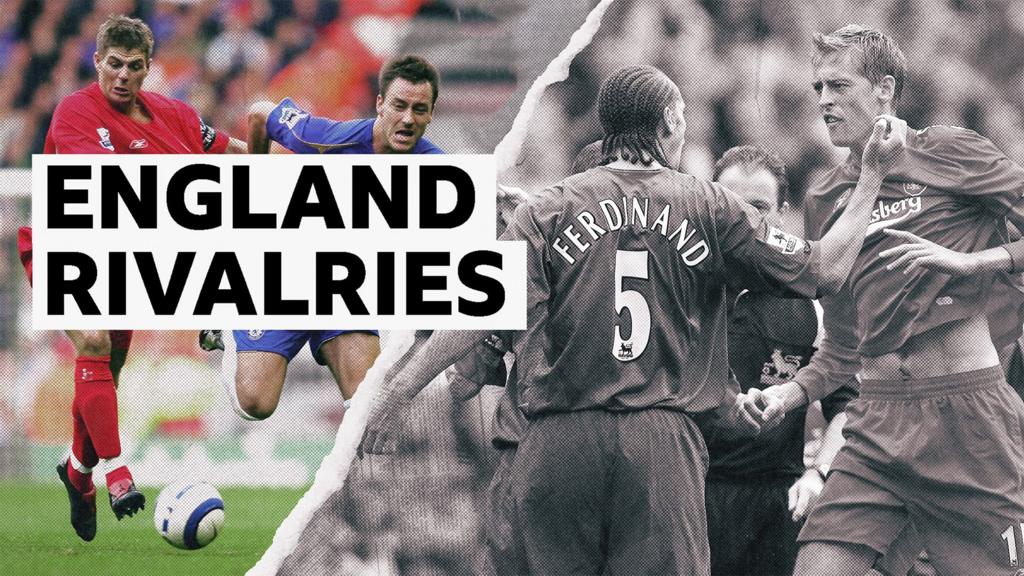
Former England players and coaching staff have reopened the discussion around the national team’s performance at the 2006 FIFA World Cup, specifically examining whether deep-seated Premier League rivalries among the squad members undermined their collective pursuit of glory. The reflections delve into the dynamics of the so-called “Golden Generation,” a team widely expected to challenge for the trophy.
The 2006 World Cup squad boasted an array of world-class talent, with players like Steven Gerrard, Frank Lampard, John Terry, and Rio Ferdinand all at the peak of their powers. However, many of these stars were direct rivals in the fiercely competitive Premier League, leading their respective clubs in intense title races and cup competitions. The central question now being posed is whether these club allegiances and rivalries translated into internal divisions that prevented the team from fully gelling on the international stage.
The Golden Generation’s Promise
The England squad assembled for the 2006 World Cup in Germany was arguably one of the most talented in the nation’s history. Under manager Sven-Göran Eriksson, expectations were sky-high, with many pundits and fans believing this was England’s best chance to lift the World Cup since 1966. The team featured a blend of experienced veterans and emerging superstars, all regular starters for top Premier League clubs.
Despite the individual brilliance, England’s campaign ended in disappointment, falling to Portugal in the quarter-finals after a penalty shootout. This outcome left many questioning what went wrong, given the depth of talent available. The current reflections from former players and staff suggest that the answer might lie beyond tactics or individual mistakes, pointing instead to the psychological and social dynamics within the squad.
The Impact of Club Rivalries
The Premier League in the mid-2000s was dominated by a handful of clubs – Manchester United, Arsenal, Chelsea, and Liverpool – all featuring key members of the England squad. These players were accustomed to being fierce adversaries, battling for league titles and personal bragging rights. The discussion now centres on whether the intensity of these club rivalries made it difficult for players to truly bond and operate as a cohesive unit when representing their country.
Reports from the time, and now confirmed by some involved, hinted at a lack of genuine camaraderie between players from opposing clubs. While professionals, the ingrained competitive spirit and personal loyalties developed over years of club football may have subtly impacted team cohesion, hindering the development of the seamless understanding often required to win major international tournaments.
The ‘WAGs’ Phenomenon and External Pressures
Adding another layer to the 2006 World Cup narrative was the significant media attention surrounding the players’ wives and girlfriends (WAGs). Their high-profile presence and lavish activities in Baden-Baden were seen by some as a distraction, creating a circus-like atmosphere around the team. While distinct from on-field rivalries, this external pressure and focus on non-footballing aspects could have further fragmented the team or created additional stress for the players.
This era represented a unique moment in football and celebrity culture, where the private lives of players and their partners became a major talking point. The reflections suggest that while not directly linked to club rivalries, the ‘WAGs’ phenomenon contributed to an environment that may have been less conducive to the single-minded focus required for World Cup success.
Datos clave
| Aspecto | Detalle |
|---|---|
| Torneo | FIFA World Cup 2006 |
| Selección | England |
| Resultado | Quarter-finals exit (lost to Portugal on penalties) |
| Cuestionamiento principal | Did intense Premier League club rivalries undermine team cohesion? |
Looking Back: Lessons Learned
The current reflections offer valuable insights into the complexities of managing a national team composed of elite players from rival clubs. The experience of the 2006 Golden Generation serves as a historical case study for future England managers and squads. It highlights the importance of fostering a strong team identity and overcoming club allegiances to create a truly unified force capable of competing at the highest level.
For FootballGames10 readers, this discussion provides a fascinating retrospective on a pivotal moment in English football history. It underscores that success in major tournaments is not solely about individual talent but also about the intricate human dynamics within a squad. Understanding these past challenges can help contextualize future performances and expectations for the England national team.
Fuente: BBC Sport Football RSS (https://www.bbc.com/sport/football/videos/ce8pvlez93po?at_medium=RSS&at_campaign=rss)
Source
BBC Sport Football RSS Original publication: 2026-05-19T05:19:26+00:00
Related news

Body of Missing 5-Year-Old Belgian Boy Likely Found Near Football Club; Father Still Missing
The body of 5-year-old Tyméo Brigou, missing since late June, has likely been found in a wooded area just two kilometers from…
Read story
Serie A clubs Lazio and Fiorentina show interest in free agent Mauro Icardi
The 33-year-old Argentine striker remains a free agent after leaving Galatasaray, with Lazio and Fiorentina both considering a move before the Italian…
Read story
Therian Interrupts “Aura Farming” Gathering in La Plata, Gets Escorted Out by Crowd
A person identifying as a therian briefly disrupted a large "aura farming" meetup in La Plata's Plaza Moreno on Saturday, only to…
Read story
Seven Argentine Players Named in CONMEBOL Team of the Week for Copa Libertadores and Sudamericana
CONMEBOL has selected its ideal lineups for the round of 16 second legs, with seven Argentine players earning spots across both the…
Read story