
Expert Veterinary Advice: Protecting Dogs from Cold Weather Dangers
As winter approaches, veterinarians are urging pet owners to re-evaluate their dog's sleeping arrangements to prevent cold-related health issues. Learn essential tips on safe sleeping environments and signs your dog might be too cold.
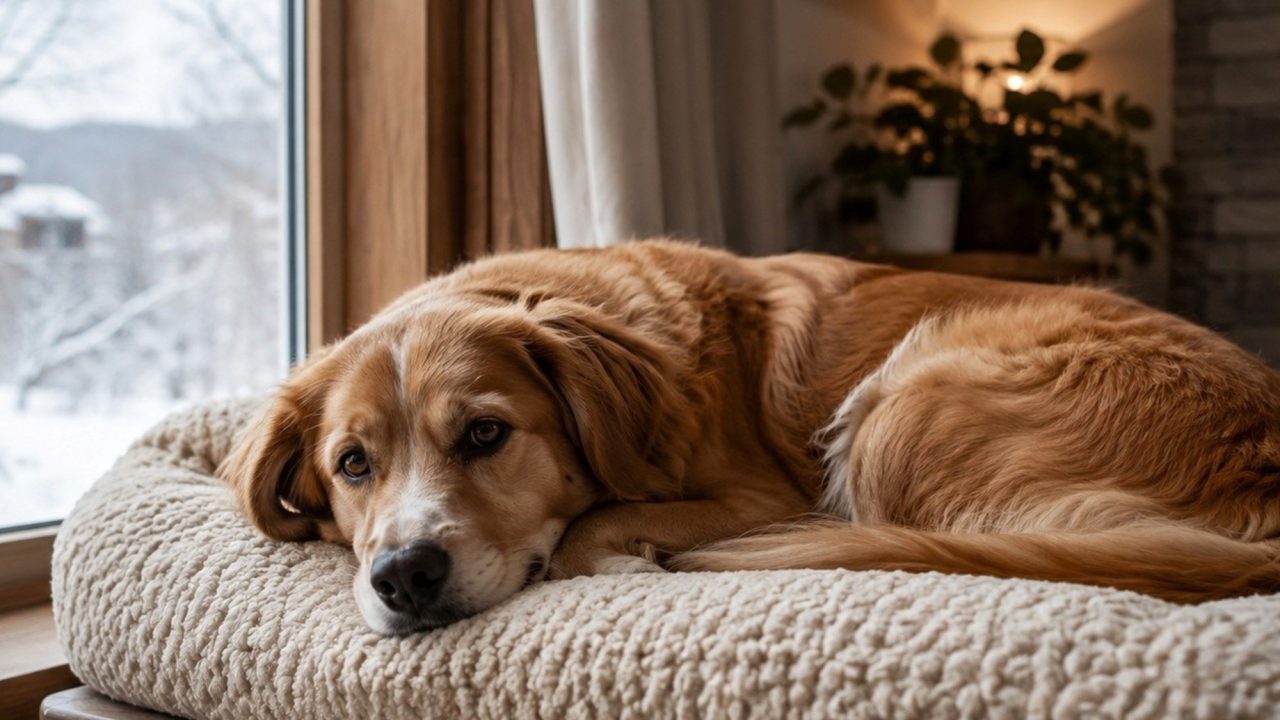
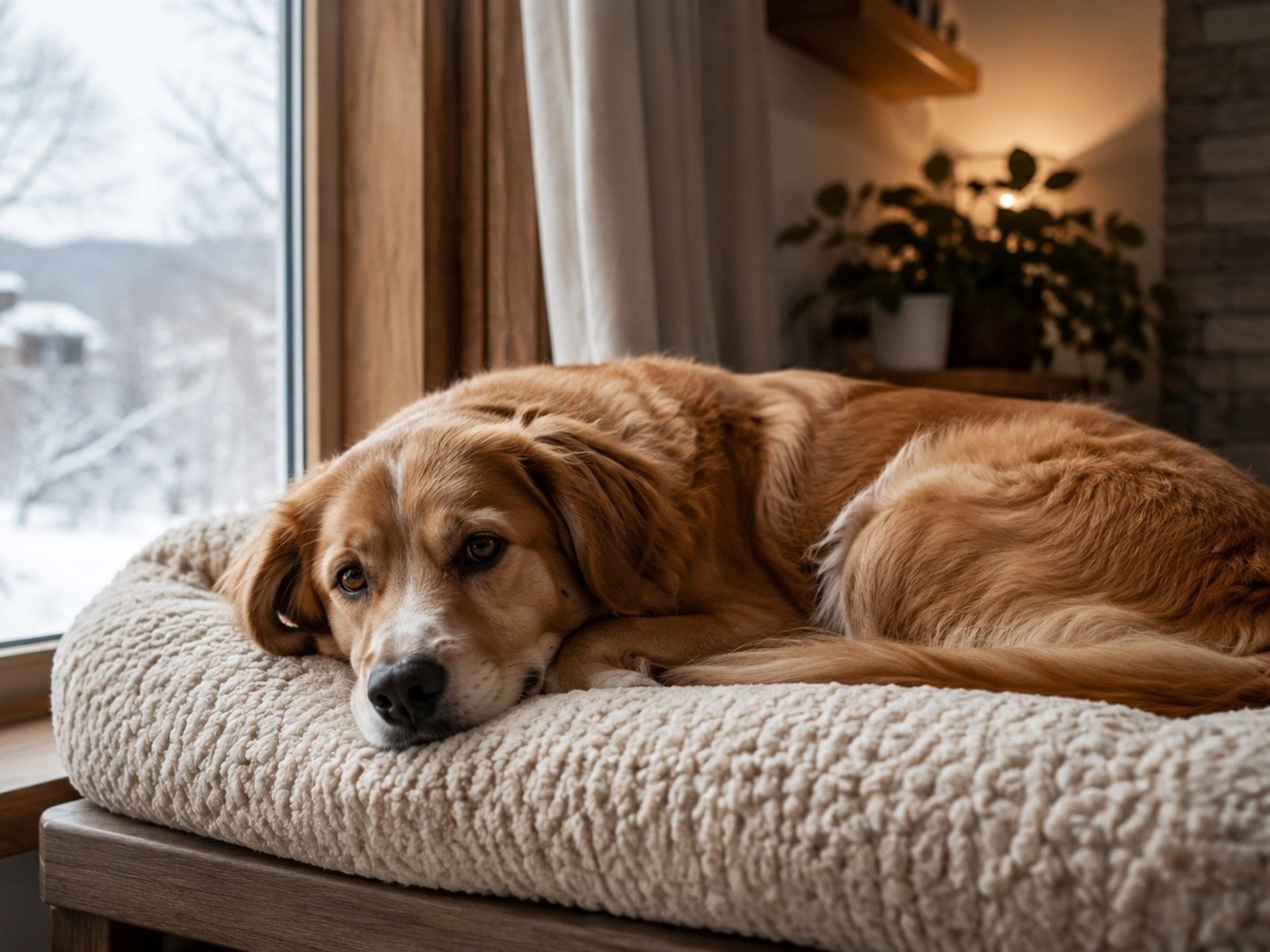
With the arrival of colder temperatures, a persistent concern for pet owners is how to adequately protect their canine companions from the chill, especially during the night. Veterinarians are now providing crucial guidance on the ideal sleeping environments for dogs during autumn and winter, emphasizing that certain locations must be strictly avoided to ensure their health and well-being, according to a report by *Clarin Deportes*. The core recommendation is for dogs to sleep in dry, covered, and sheltered areas, completely protected from the elements.
While some dog breeds possess a natural tolerance for colder climates, direct exposure to dampness, strong winds, or cold surfaces can rapidly lead to significant discomfort, muscle stiffness, and severe respiratory problems. Experts underscore that merely providing a dog bed or blanket is often insufficient; the specific location where a dog rests plays an equally critical role in their overall health during colder months.
Common Pitfalls in Cold Weather Dog Care
A frequent and potentially dangerous oversight by pet owners is allowing their dogs to sleep outdoors overnight. Even when equipped with a kennel or a seemingly robust makeshift shelter, the combined impact of cold air, humidity, and constant drafts can quickly lower a dog’s core body temperature, making them highly susceptible to illnesses such as hypothermia or pneumonia. Veterinarians, as reported by *Clarin Deportes*, specifically advise against outdoor sleeping arrangements like patios and balconies, especially those that are exposed to wind and rain.
Other environments deemed unsuitable for dogs during cold weather include uninsulated laundry rooms or garages, areas prone to constant air currents, and any space with persistent humidity. Prolonged contact with freezing surfaces accelerates heat loss from a dog’s body, posing a particularly elevated risk to small dogs, puppies, senior animals, and breeds with short coats or minimal body fat.
Key Considerations for Dog Safety in Winter
- Sleeping Area: Covered, dry, protected from wind and elements | Patios, balconies, uninsulated garages, areas with drafts
- Bedding: Elevated from the floor, warm blankets, insulated materials | Direct contact with cold floors, damp bedding
- Vulnerable Dogs: Chihuahuas, Boxers, Pugs, puppies, seniors, short-haired breeds need extra indoor care | Leaving them outdoors or in cold, unprotected spaces during winter nights
- Monitoring: Watch for shivering, curled posture, cold extremities, lethargy | Ignoring subtle signs of discomfort or cold
Breeds Requiring Extra Protection
The response to cold weather varies significantly among dog breeds. Certain breeds, including Chihuahuas, Boxers, Pinschers, and Pugs, are inherently more sensitive to low temperatures. This heightened sensitivity is primarily due to their thinner coats, lack of an insulating undercoat, or lower body fat reserves, which provide less natural protection against the cold. These breeds, according to veterinary experts, require extra vigilance and protection during winter. For such vulnerable dogs, being exposed to a cold sleeping environment can worsen existing muscle aches, induce painful stiffness, and significantly impede recovery from any pre-existing health conditions.
The most recommended solution is for dogs to sleep in a completely covered, dry, and wind-protected space. During the coldest nights of the year, bringing them inside the home is frequently the safest and most humane option. Furthermore, their sleeping area should be elevated or well-insulated from the cold floor, ideally equipped with warm blankets or soft fabrics that efficiently help retain body warmth. The primary objective is not to over-bundle the dog or cause overheating, but rather to enable them to maintain a stable and comfortable body temperature while resting.
Recognizing the Signs of a Cold Dog
Pet owners must be highly vigilant for any signs indicating their dog is uncomfortable or suffering due to the cold. Shivering is the most obvious and immediate indicator, but it is certainly not the only one. Other critical symptoms that may suggest a dog is too cold include: changes in posture, such as curling up tightly or hunching; a noticeable reluctance to move or play; cold ears or paws to the touch; and signs of lethargy or unusual sluggishness.
If these symptoms are observed repeatedly, it becomes imperative to immediately re-evaluate the dog’s sleeping arrangements. It is crucial to ensure they are not exposed to cold temperatures, excessive humidity, or strong winds for extended periods. Proactive measures in providing a warm and secure environment can effectively prevent potential health complications and guarantee the animal’s comfort and overall well-being throughout the challenging colder months. Understanding and implementing these veterinary recommendations is vital for all responsible pet owners, helping them to create a safe, warm, and healthy environment for their beloved companions.
Source: Clarin Deportes (https://www.clarin.com/informacion-general/patio-balcon-conviene-duerman-perros-hace-frio-veterinarios_0_0VN7VyiWxs.html)
Source
Clarin Deportes Original publication: 2026-05-20T23:13:07+00:00
Related news

Celtic’s Champions League Collapse: A Timeline of the LASK Disaster
Celtic threw away a 4-0 aggregate lead against LASK in the Champions League qualifiers, suffering a humiliating 5-4 defeat after extra time.…
Read story
Body of Missing 5-Year-Old Belgian Boy Likely Found Near Football Club; Father Still Missing
The body of 5-year-old Tyméo Brigou, missing since late June, has likely been found in a wooded area just two kilometers from…
Read story
Serie A clubs Lazio and Fiorentina show interest in free agent Mauro Icardi
The 33-year-old Argentine striker remains a free agent after leaving Galatasaray, with Lazio and Fiorentina both considering a move before the Italian…
Read story
Therian Interrupts “Aura Farming” Gathering in La Plata, Gets Escorted Out by Crowd
A person identifying as a therian briefly disrupted a large "aura farming" meetup in La Plata's Plaza Moreno on Saturday, only to…
Read story