
Argentina’s Congress Advances Bill to Modify Cold Zones Law, Impacting Gas Subsidies
Argentina's Chamber of Deputies has given preliminary approval to a bill modifying the Cold Zones Law, affecting gas subsidies in regions with low temperatures. The vote, with 132 in favor, 105 against, and 4 abstentions, represents a significant step towards reverting expansions made in 2021.
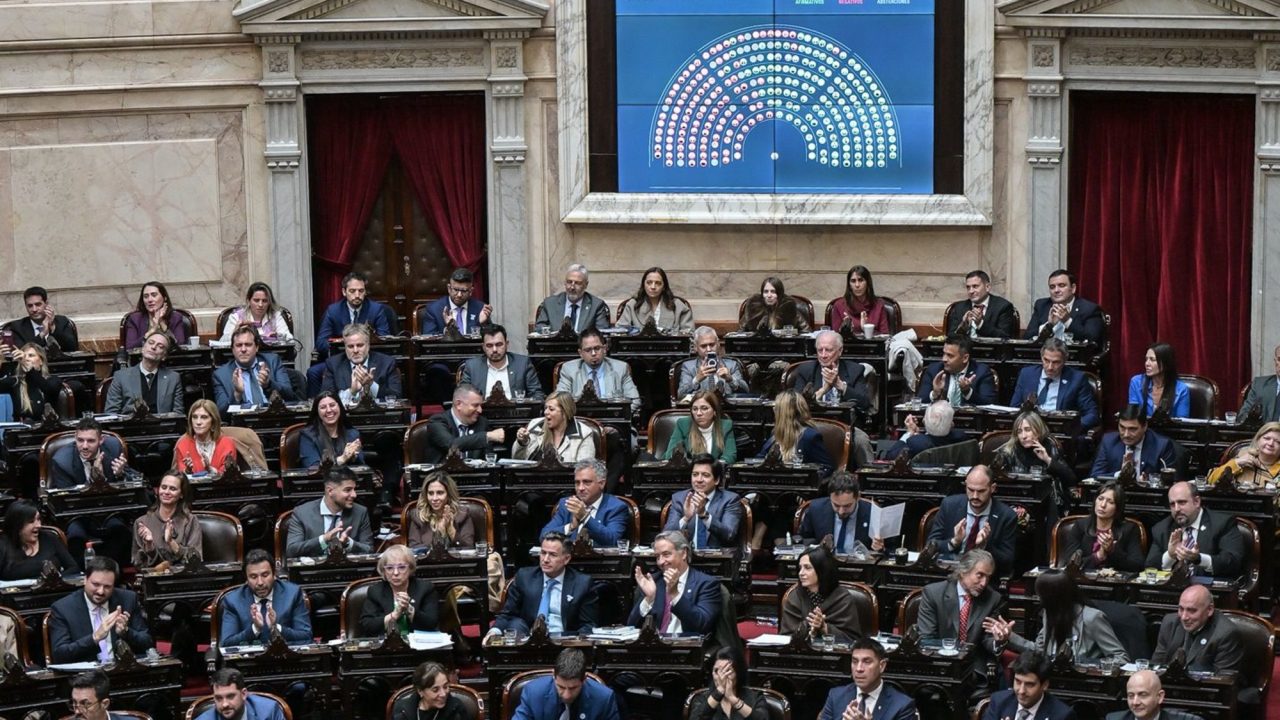
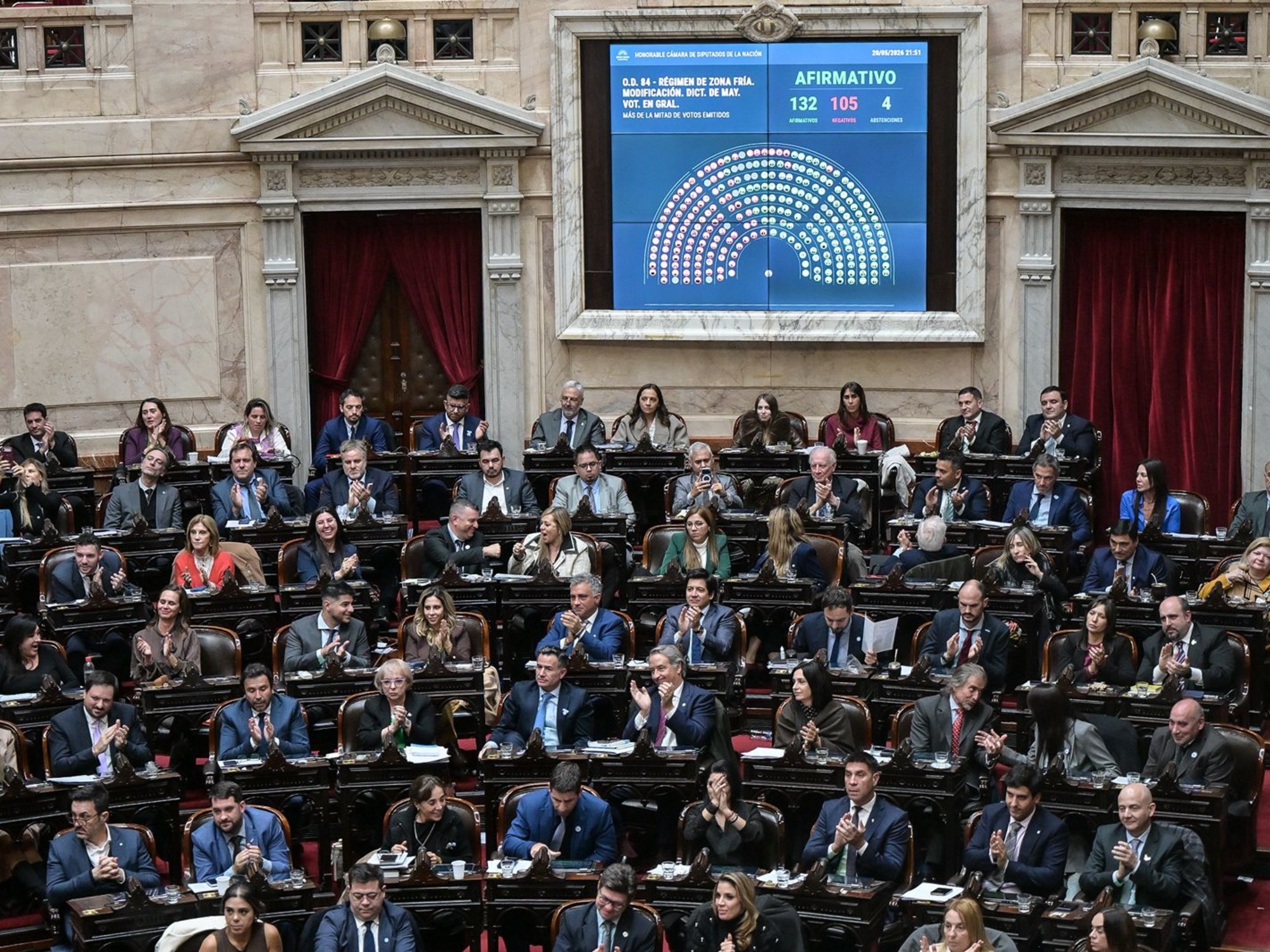
The Argentine Chamber of Deputies has granted preliminary approval to a significant legislative proposal aimed at modifying the existing Cold Zones Law, which governs gas subsidies in areas characterized by low temperatures. The bill received a “half-sanction” on May 21, 2026, marking a crucial step in the legislative process. This development holds considerable implications for energy policy and household economics across various regions of Argentina, particularly those that have historically benefited from discounted gas rates, as reported by Clarin Deportes.
The vote saw 132 deputies in favor of the modifications, 105 against, and 4 abstentions. This outcome allows the ruling party, La Libertad Avanza, to advance its agenda to roll back some of the expansions to the subsidy program that were implemented in 2021. The initiative now proceeds to the Senate, where it will face further debate and voting before potentially becoming law. The proposed changes aim to re-establish the previous state of benefits in specific regions such as Patagonia, Puna, and Malargüe, while also introducing conditional discounts for other areas.
Background to the Legislation
The Cold Zones Law, in its current form, provides gas subsidies to a range of municipalities, including those in Buenos Aires, Córdoba, Santa Fe, and the Cuyo region, in addition to the traditional cold zones. The 2021 expansion, championed by Máximo Kirchner, significantly broadened the scope of these benefits, extending them to more localities and a larger segment of the population. The current administration’s move to modify this law is part of a broader effort to rationalize public spending and reform various aspects of the country’s economic framework.
The debate in the Chamber of Deputies was characterized by intense discussions and diverse political alignments. The ruling party, La Libertad Avanza, successfully secured the support of several key political blocs, including the PRO, the Radicalism, and the MID, according to Clarin Deportes. This coalition proved sufficient to achieve the necessary majority for the bill’s preliminary approval. The government’s strategy involved promising benefits for warm zones in the NEA (Northeast Argentina) and NOA (Northwest Argentina) regions, which reportedly influenced some provincial blocs to align with the proposed changes.
Voting Breakdown and Political Alignments
The vote revealed a clear division among Argentina’s political parties. While La Libertad Avanza, PRO, Radicalism, and MID largely supported the bill, the opposition was led by Unión por la Patria, which overwhelmingly rejected the initiative. The four deputies from the Left bloc also voted against the modifications, demonstrating a unified stance against the proposed changes to the subsidy scheme.
The support from provincial blocs was more nuanced. The three members of the Independencia bloc, aligned with Tucumán’s governor Jaldo, voted in favor. Innovación Federal also largely supported the bill, with only two dissenting votes. The Provincias Unidas bloc, however, showed internal divisions, reflecting the varying regional interests at play. Notably, the three members of the Elijo Catamarca bloc chose to abstain, indicating a cautious approach to the contentious legislation.
Summary of the Vote
- Votes in favor: 132
- Votes against: 105
- Abstentions: 4
- Result: Half-sanction in the Chamber of Deputies
- Next step: Debate and voting in the Senate
Implications for FootballGames10 Readers
While this legislative development might not appear directly related to sports, it has tangible implications for the economic landscape of Argentina, which in turn can indirectly affect the football sector. Changes to gas subsidies can influence household disposable incomes, potentially impacting consumer spending on leisure activities, including attending football matches or purchasing merchandise. Furthermore, energy costs for football clubs and sports facilities could be affected, influencing operational budgets and potentially ticket prices or investment in infrastructure.
For regions like Patagonia, Puna, and Malargüe, the proposed re-establishment of previous benefit levels could mean adjustments to household budgets that have grown accustomed to expanded subsidies. Similarly, the introduction of conditional discounts in other areas will require close monitoring by residents and businesses alike. The outcome in the Senate will be critical in determining the final shape of these energy policies and their broader economic ripple effects across Argentina, ultimately touching upon the financial environment in which football operates.
The Road Ahead in the Senate
With the bill now heading to the Senate, La Libertad Avanza faces the challenge of securing sufficient support in the upper chamber. The political dynamics in the Senate can differ significantly from the Chamber of Deputies, and the government will need to engage in further negotiations and potentially make concessions to ensure the bill’s final passage. The current law’s broad coverage, including various municipalities beyond the coldest regions, means that any modification will be met with considerable scrutiny and debate, reflecting the diverse interests of the country’s provinces. The legislative journey of this bill is far from over, and its ultimate impact will depend on the Senate’s deliberations and final decision.
Source: Clarin Deportes (https://www.clarin.com/politica/votaron-diputados-proyecto-modifica-ley-zonas-frias-recorta-subsidios-gas_0_gP22cyBZiM.html)
Source
Clarin Deportes Original publication: 2026-05-21T01:33:23+00:00
Related news

Body of Missing 5-Year-Old Belgian Boy Likely Found Near Football Club; Father Still Missing
The body of 5-year-old Tyméo Brigou, missing since late June, has likely been found in a wooded area just two kilometers from…
Read story
Serie A clubs Lazio and Fiorentina show interest in free agent Mauro Icardi
The 33-year-old Argentine striker remains a free agent after leaving Galatasaray, with Lazio and Fiorentina both considering a move before the Italian…
Read story
Therian Interrupts “Aura Farming” Gathering in La Plata, Gets Escorted Out by Crowd
A person identifying as a therian briefly disrupted a large "aura farming" meetup in La Plata's Plaza Moreno on Saturday, only to…
Read story
Seven Argentine Players Named in CONMEBOL Team of the Week for Copa Libertadores and Sudamericana
CONMEBOL has selected its ideal lineups for the round of 16 second legs, with seven Argentine players earning spots across both the…
Read story