
Chernobyl’s Radiation Moves in Unexpected Ways, Challenging Scientific Assumptions
Nearly 40 years after the nuclear disaster, new studies reveal that radioactive contamination in Chernobyl is not static and can be redistributed by natural processes like rain, fires, and forest growth.
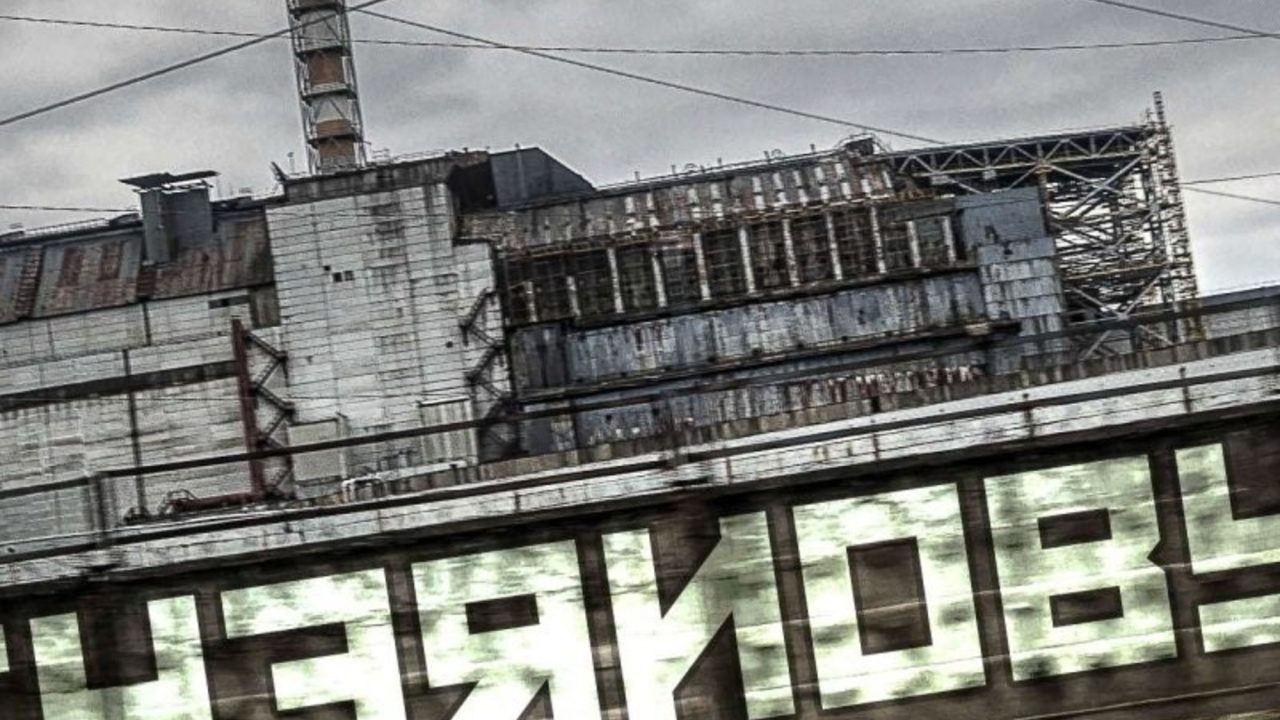
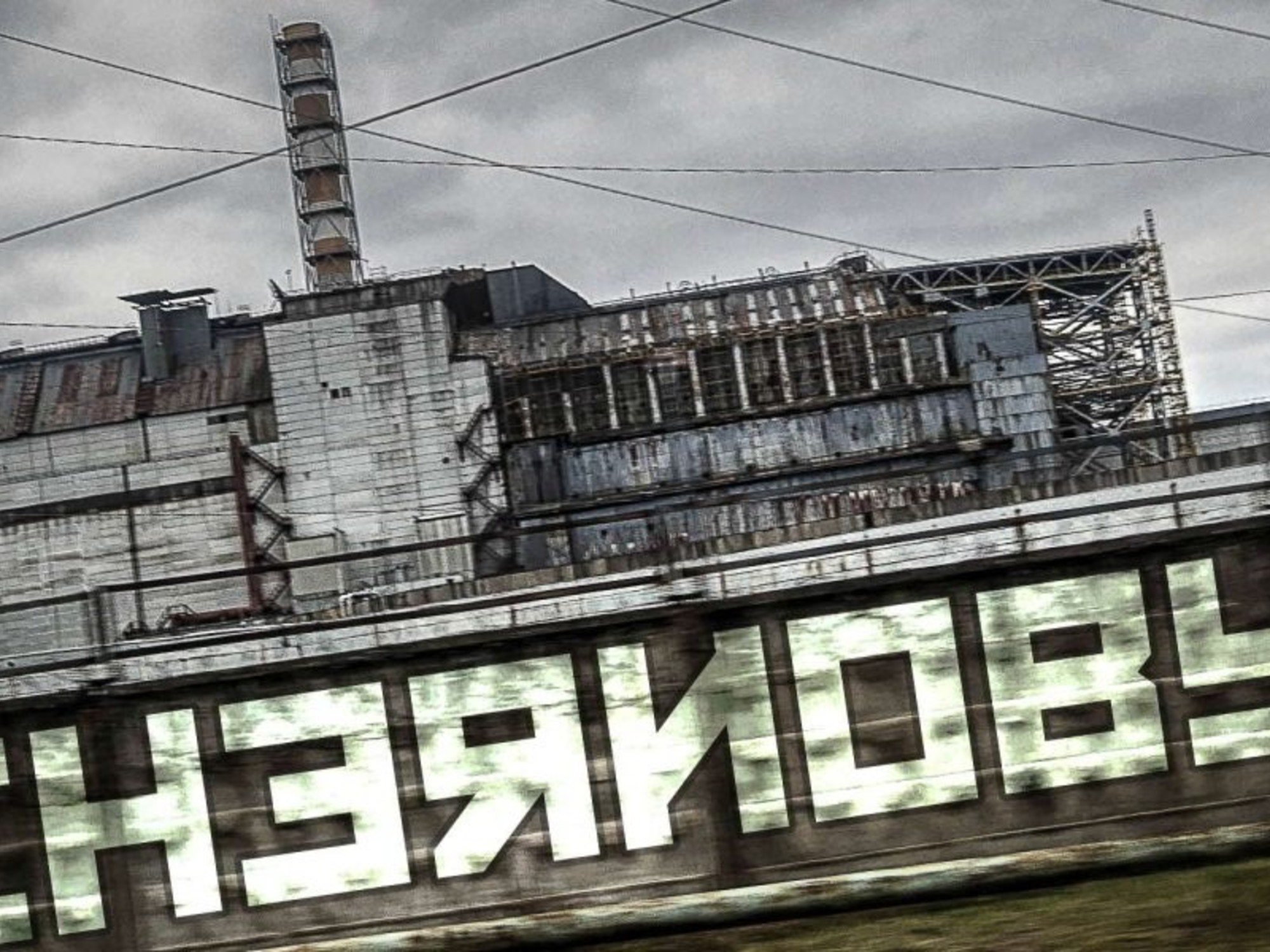
Chernobyl continues to challenge scientific understanding nearly four decades after the catastrophic nuclear accident. Recent studies are revealing that radioactive contamination, particularly from elements like cesium-137, is not as static as once believed. Instead, it is moving and redistributing in unexpected ways, influenced by natural environmental processes.
The enduring image of Chernobyl is one of a frozen moment in time: empty buildings, streets reclaimed by nature, and rusting remnants of human activity. However, the reality on the ground is far more dynamic. Radioactive materials are not fixed in place; they are being transported and altered by factors such as rainfall, forest fires, the natural growth of vegetation, and the flow of water.
Unexpected Redistribution of Contaminants
Scientists have observed that in some areas, radioactive materials have migrated downwards through soil layers, while in others, they have shifted locations or become trapped within the complex ecosystem of roots, dry leaves, and watercourses. This movement complicates the long-term assessment of radiation levels and the potential risks associated with the affected zones. The findings reopen critical questions about the fate of radiation in Chernobyl as time progresses and natural forces actively reshape the environment, as reported by Clarin Deportes.
The Chernobyl disaster occurred on April 26, 1986, when Reactor 4 exploded, releasing significant amounts of radioactive material across Ukraine, Belarus, Russia, and other parts of Europe. Since then, extensive monitoring of the soil, trees, animals, fungi, rivers, and buildings within the exclusion zone has been ongoing. The disaster’s impact was not confined to the immediate aftermath of the evacuation and the construction of the initial sarcophagus.
Cesium-137, a radioactive isotope with a long half-life, remains a primary concern. Its behavior is highly dependent on local conditions, including soil type, moisture levels, vegetation cover, and water circulation patterns. A heavy rainfall, for instance, can carry radioactive particles from a contaminated forest area into drainage ditches or streams, making prior assumptions about fixed contamination inadequate.
Ecological Changes and Contaminant Movement
The Chernobyl Exclusion Zone has developed a unique ecological landscape. Areas once populated by humans are now dominated by forests, shrubs, wildlife, and accumulated organic matter. This resurgence of nature has not only transformed the visual environment but also significantly altered the distribution patterns of certain contaminants.
Plant roots can absorb elements from the soil, fallen leaves decompose, and organic matter returns to the surface. In a typical forest, this cycle is a natural process. However, in Chernobyl, each layer of decaying leaves can hold a different radiological signature, indicating a complex interaction between biological processes and radioactive materials.
The threat of fires in the contaminated zones adds another layer of complexity. When vegetation in a radioactive area burns, it can carry radioactive particles, previously held in place for years, into the atmosphere and spread them further, potentially re-contaminating areas previously thought to be safer.
Understanding Long-Term Behavior
Chernobyl remains a crucial site for ongoing scientific study because the story of a nuclear accident does not conclude with the immediate event. While some radioactive materials decay over time, others become trapped in the environment, and some are actively redistributed by natural forces. This dynamic behavior challenges the notion that radiation levels in specific locations are static over decades.
The data gathered from these ongoing measurements is vital for determining which areas remain hazardous, which have seen a reduction in radiation levels, and where potential changes in contamination might occur following events like fires, floods, or seismic activity. This continuous monitoring is essential for refining safety protocols and land use management within and around the exclusion zone.
Key Learnings from Chernobyl
- Radiation Movement: Fixed in soil where it landed | Moves unexpectedly via rain, fire, vegetation, watercourses | Requires continuous monitoring, reassessment of risk
- Cesium-137 Behavior: Uniform decay and retention | Highly dependent on local soil, moisture, vegetation, and water flow | Risk levels vary significantly by micro-environment
- Ecological Impact: Nature reclaims land over fixed contamination | Nature actively redistributes contaminants through growth, decay, and fires | Natural processes become vectors for contamination spread
- Long-term Safety: Decreases predictably over time | Dynamic and unpredictable, influenced by environmental events (fires, floods) | Ongoing research crucial for safety and management
Every environmental disaster unfolds in a unique landscape, but they share a common question: how does contamination behave when interacting with water, soil, plants, and climate? The findings from Chernobyl provide critical insights into these complex interactions, informing our understanding of radioactive releases and their long-term environmental consequences. These revelations underscore that managing nuclear contamination is a long-term challenge requiring continuous research and adaptation to environmental dynamics.
Source: Clarin Deportes, https://www.clarin.com/internacional/chernobil-sorprende-cientificos-radiacion-quedo-fija-suelo_0_I2BmQYg0gd.html
Source
Clarin Deportes Original publication: 2026-05-21T23:54:02+00:00
Related news

Body of Missing 5-Year-Old Belgian Boy Likely Found Near Football Club; Father Still Missing
The body of 5-year-old Tyméo Brigou, missing since late June, has likely been found in a wooded area just two kilometers from…
Read story
Serie A clubs Lazio and Fiorentina show interest in free agent Mauro Icardi
The 33-year-old Argentine striker remains a free agent after leaving Galatasaray, with Lazio and Fiorentina both considering a move before the Italian…
Read story
Therian Interrupts “Aura Farming” Gathering in La Plata, Gets Escorted Out by Crowd
A person identifying as a therian briefly disrupted a large "aura farming" meetup in La Plata's Plaza Moreno on Saturday, only to…
Read story
Seven Argentine Players Named in CONMEBOL Team of the Week for Copa Libertadores and Sudamericana
CONMEBOL has selected its ideal lineups for the round of 16 second legs, with seven Argentine players earning spots across both the…
Read story