
The Local Lens: How Regional Reporting Shapes National Football Narratives
Explore how local football clubs and their dedicated regional media dramatically influence and often reshape the national interpretation of major football stories, from player transfers to club crises.
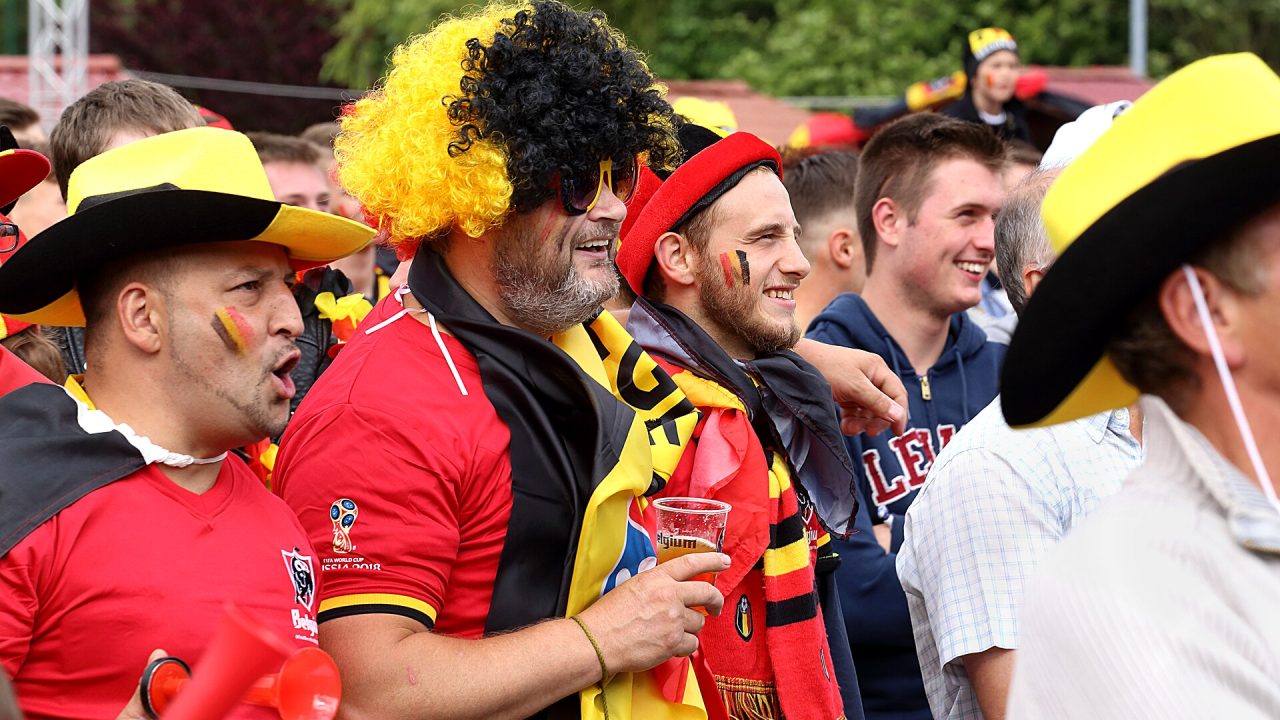

The vast landscape of football journalism often focuses on national headlines, major transfers, and top-tier league results. However, beneath this broad coverage, a powerful and often overlooked force is at play: local football reporting. Dedicated local journalists, embedded within their communities, possess an intimate understanding of their clubs, players, and fan bases that national outlets frequently miss. This local lens can profoundly alter how national football stories are perceived, adding crucial context, challenging established narratives, and sometimes even breaking news that reverberates across the country.
Understanding the unique contribution of regional media to the national football conversation is essential for any fan seeking a complete picture. It highlights the nuances that might otherwise be lost in the broader brushstrokes of national news and underscores the importance of diverse perspectives in interpreting the beautiful game.
The Depth of Local Insight
National football media, by its very nature, must cast a wide net. It covers multiple clubs, leagues, and international competitions, often relying on broader narratives and general trends. Local reporters, on the other hand, are specialists. They live and breathe their club, attending every training session they’re permitted to, speaking to staff on a first-name basis, and understanding the intricate politics and personalities within the club’s hierarchy.
This proximity allows for a level of detail and context that is simply unattainable for a national correspondent parachuting in for a specific event. A national story about a coach’s dismissal, for instance, might focus on recent results. A local report, however, could delve into long-standing tensions with the board, a declining relationship with key players, or even a shift in the club’s financial strategy – all factors that provide a far richer understanding of the situation.
Take the example of a star player’s transfer saga. National outlets might report on the transfer fee, the new club, and the player’s performance statistics. A local journalist, who has followed that player since his academy days, might report on his personal connection to the community, his family’s reluctance to move, or the specific details of his contract negotiations that were not widely known. This local nuance often explains why a transfer happened the way it did, rather than just that it happened.
Challenging National Narratives
One of the most significant impacts of local reporting is its ability to challenge or contradict national narratives. National media, particularly in times of crisis or controversy, can sometimes fall into a pattern of simplified storytelling or herd mentality. Local journalists, with their deeper knowledge and direct access, can offer alternative viewpoints.
Consider a scenario where a beloved club legend is struggling, and national media begins to call for his retirement or replacement. A local reporter might offer a more empathetic and informed perspective, highlighting the player’s off-field contributions to the community, his mentorship of younger players, or an unpublicized injury he’s been playing through. This local context doesn’t necessarily excuse poor performance but contextualizes it, encouraging a more balanced view than a purely results-driven national assessment.
Similarly, when a club faces financial difficulties, national reports might paint a bleak picture of mismanagement. Local journalists, who have covered the club’s financial journey for years, might reveal the impact of a failed stadium project, a sudden loss of sponsorship, or external economic factors specific to the region that contribute to the club’s predicament. This local perspective often shifts the blame from individual incompetence to broader systemic issues.
The “Whispers” and Unofficial Channels
Local reporters are often privy to information through unofficial channels – conversations with club staff, former players, local business owners, or even passionate fans who have deep connections. These “whispers” can sometimes be the first indicators of significant developments, long before they become official announcements or national news.
While ethical journalism requires verification, these insights allow local reporters to ask more pointed questions, anticipate events, and prepare their audiences for upcoming changes. This proactive approach can break stories that national outlets later pick up, sometimes crediting the local source, sometimes not. The initial spark, however, often comes from the local level.
Key Differences in Reporting Focus
The table below outlines some fundamental differences in how local and national media approach football stories, highlighting why both are crucial for a comprehensive understanding.
| Feature | Local Football Reporting | National Football Reporting |
|---|---|---|
| Scope | Hyper-focused on one club/region | Broad coverage across multiple clubs, leagues, nations |
| Depth | Intimate details, personal stories, community impact | Broader trends, strategic analysis, league-wide implications |
| Sources | Direct club access, local community figures, informal networks | Official statements, agents, top-tier analysts, broad sources |
| Tone | Often empathetic, protective of the local club, community-focused | More objective, critical, comparison-driven |
| Impact | Shapes local fan sentiment, provides unique context | Influences national perception, sets broader agenda |
Actionable Reader Takeaways
For avid football fans and those who follow the sport closely, understanding the interplay between local and national reporting offers several benefits:
- Seek Out Local Sources: When a major story breaks about a particular club, actively seek out reports from that club’s local newspaper, independent fan sites, or regional sports journalists. You’ll often find a level of detail and insight missing from the national coverage.
- Question Unilateral Narratives: If a national story feels one-sided or lacks depth, consider if there’s a local perspective that could offer a more nuanced explanation.
- Appreciate Context Over Headlines: Don’t just read the headline; delve into the specifics. Local reports excel at providing the “why” and “how” behind the “what.”
- Recognize Bias (Both Ways): While local reporting offers unparalleled depth, it can sometimes be inherently biased towards the local club, reflecting community pride. National reporting, while striving for objectivity, can sometimes lack the critical context that only local knowledge can provide. A balanced view requires consuming both.
The power of local football reporting lies in its proximity and dedication. It acts as the granular detail that makes the national picture complete, challenging assumptions, revealing hidden truths, and ultimately enriching the narrative of football for fans everywhere. Without this local lens, many of the game’s most compelling stories would remain only partially told.
Related news

Harry Kane equals Peter Shilton’s England caps record with two goals in Nations League win over Czechia
Harry Kane scored twice on the night he equalled Peter Shilton’s all-time England appearance record, leading the Three Lions to a 3-0…
Read story
Jesse Marsch says Canada “not afraid” as USMNT friendly intensifies rivalry
Canada coach Jesse Marsch has welcomed the pressure of facing the United States, stating his team is “not afraid” as the two…
Read story
Scotland vs Slovenia: Nations League Group B1 Clash at Hampden Park
Scotland and Slovenia meet at Hampden Park in a pivotal Nations League Group B1 encounter, with both sides level on four points…
Read story
Padres Turn to Robbie Ray for NLDS Game 1 Start as Walker Buehler Goes on Paternity List
San Diego Padres manager Craig Stammen named Robbie Ray the starter for Game 1 of the NL Division Series against Milwaukee after…
Read story