
Akira Kurosawa: The Mad Genius Who Shaped Modern Cinema’s Global Game
A look back at the enduring legacy of Japanese director Akira Kurosawa, whose innovative storytelling and visual style profoundly influenced Hollywood and filmmakers worldwide, much like a strategic coach impacts the entire sport.
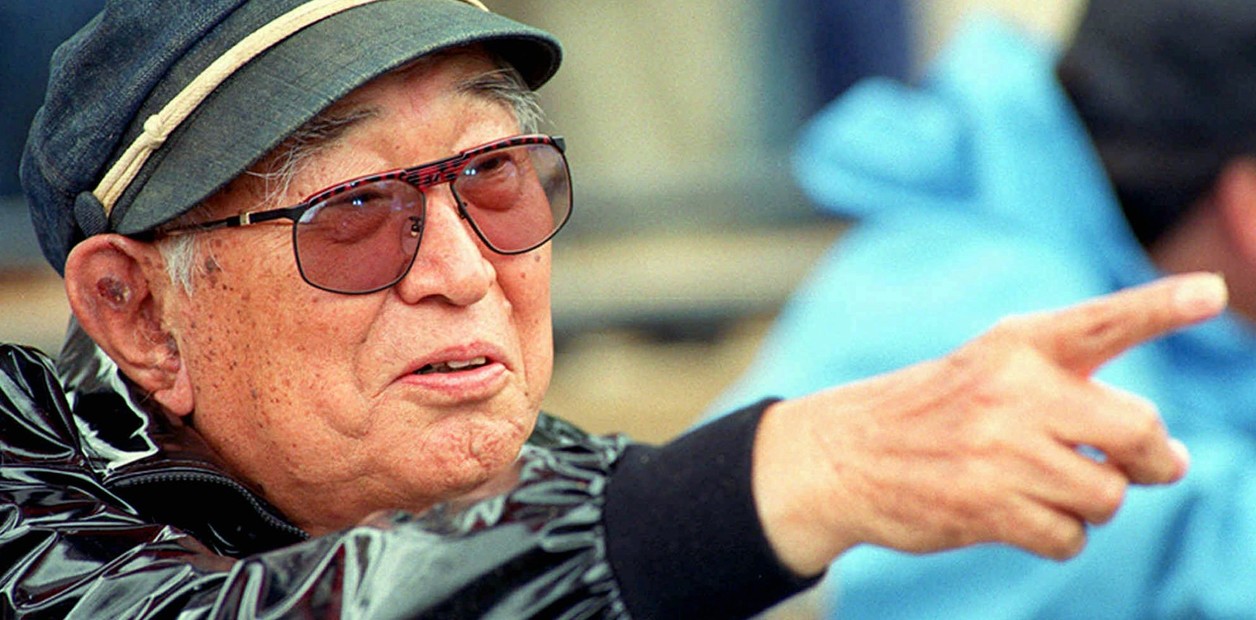
Akira Kurosawa, the celebrated Japanese film director whose visionary works redefined samurai epics and left an indelible mark on global cinema, is remembered for his profound influence on filmmakers from Martin Scorsese to George Lucas. His iconic quote, “In a mad world, only the mad are sane,” continues to resonate, encapsulating the unique perspective he brought to his cinematic creations. Kurosawa’s career, spanning from the 1930s to the 1990s, saw him rise from technical roles within the Japanese film industry to become an internationally acclaimed auteur, much like a talented player rising through the ranks to become a global football icon.
Early Career and International Breakthrough
Born in Tokyo in 1910, Kurosawa navigated various positions within Japanese studios before directing his first films. His international breakthrough arrived in 1950 with “Rashomon.” The film’s critical success at the Venice Film Festival, where it won the Golden Lion, and its subsequent Honorary Academy Award, were monumental achievements for Japanese cinema at a time when its global reach was limited. “Rashomon” not only garnered international acclaim but also introduced a narrative structure that became a touchstone for storytelling: a crime recounted through multiple, often conflicting, perspectives. This innovative approach has since been emulated in countless films, series, and novels, demonstrating its lasting impact on narrative construction. The success of “Rashomon” also paved the way for other Japanese directors like Kenji Mizoguchi and Yasujirō Ozu to gain recognition in Europe and the United States, effectively opening doors for an entire national cinema.
Masterpieces That Redefined Genres
Following “Rashomon,” Kurosawa delivered “Seven Samurai” in 1954, a sprawling epic that remains one of his most influential works. The demanding production, which lasted nearly a year, depicted seven warriors hired to protect a village from bandits. Its potent blend of action, suspense, and character development fundamentally altered epic filmmaking and directly inspired the American Western “The Magnificent Seven,” showcasing how Kurosawa’s vision could transcend cultural boundaries and influence different genres.
Another pivotal film, “Yojimbo” (1961), starring the legendary Toshiro Mifune, provided the narrative framework for Sergio Leone’s influential Spaghetti Western “A Fistful of Dollars,” starring Clint Eastwood. This direct inspiration highlights Kurosawa’s role as a creative wellspring for some of cinema’s most celebrated works. Kurosawa’s ability to craft compelling action sequences and intricate character arcs transcended cultural boundaries, making his films universally appealing and influential.
Hollywood’s Enduring Debt to Kurosawa
The impact of Akira Kurosawa on Hollywood is undeniable. George Lucas has frequently acknowledged “The Hidden Fortress” (1958) as a key inspiration for the foundational elements of “Star Wars,” particularly in its narrative structure and character archetypes. The characters of the two peasants accompanying the main narrative in “The Hidden Fortress” are often cited as precursors to the beloved droids C-3PO and R2-D2. Lucas also admired Kurosawa’s mastery of orchestrating large-scale action sequences and crowd movements, techniques that would become hallmarks of the “Star Wars” saga.
Beyond Lucas, prominent modern directors such as Martin Scorsese, Steven Spielberg, and Francis Ford Coppola have publicly lauded Kurosawa’s significance in cinematic history. Coppola and Spielberg even served as executive producers to help finance Kurosawa’s 1980 film “Kagemusha,” demonstrating their deep respect for his artistic vision and their commitment to preserving his work. Kurosawa’s innovative techniques, thematic depth, and distinctive visual style have cemented his legacy as one of cinema’s most important and enduring figures. His films continue to be studied, admired, and reinterpreted, proving that his genius continues to inspire new generations of filmmakers and audiences alike, much like a legendary sports play is analyzed and adapted by teams for decades.
Impact on Global Storytelling
Kurosawa’s influence extends beyond direct remakes or acknowledged inspirations. His approach to storytelling, character development, and visual composition has permeated global cinema, impacting how stories are structured and presented. The multi-perspective narrative of “Rashomon,” for instance, has become a standard device in thrillers and legal dramas worldwide. His meticulous attention to historical detail and human drama in his samurai films elevated the genre, proving that action could be deeply intellectual and emotionally resonant.
Key Facts About Akira Kurosawa
- Birth Year: 1910
- Notable Films: Rashomon*, *Seven Samurai*, *Yojimbo*, *The Hidden Fortress
- Key Awards: Golden Lion (Venice), Honorary Academy Award
- Major Influence: Hollywood, directors like Scorsese, Lucas, Spielberg
- Signature Quote: “In a mad world, only the mad are sane”
Source: Clarin Deportes, https://www.clarin.com/internacional/akira-kurosawa-director-cine-japones-mundo-locos-solo-locos-cuerdos_0_EddDHH78ba.html
Source
Clarin Deportes Original publication: 2026-05-23T00:36:01+00:00
Related news

One Injured in Marble Hill Shooting; No Football Disruption Confirmed
A person was hospitalized after a shooting reportedly involving federal agents in New York’s Marble Hill neighborhood. The initial account identifies no…
Read story
Boca vs River Superclásico Confirmed for November 1 at La Bombonera
The Argentine Professional League has set the date and time for the next Boca Juniors vs River Plate Superclásico, scheduled for Sunday,…
Read story
Harry Kane equals Peter Shilton’s England caps record with two goals in Nations League win over Czechia
Harry Kane scored twice on the night he equalled Peter Shilton’s all-time England appearance record, leading the Three Lions to a 3-0…
Read story
Jesse Marsch says Canada “not afraid” as USMNT friendly intensifies rivalry
Canada coach Jesse Marsch has welcomed the pressure of facing the United States, stating his team is “not afraid” as the two…
Read story