
Argentine Scientists Fuse Art and Science, Challenging Traditional Boundaries
A new generation of Argentine professionals is seamlessly integrating scientific rigor with artistic expression, highlighting the complementary nature of creativity and analytical thinking.
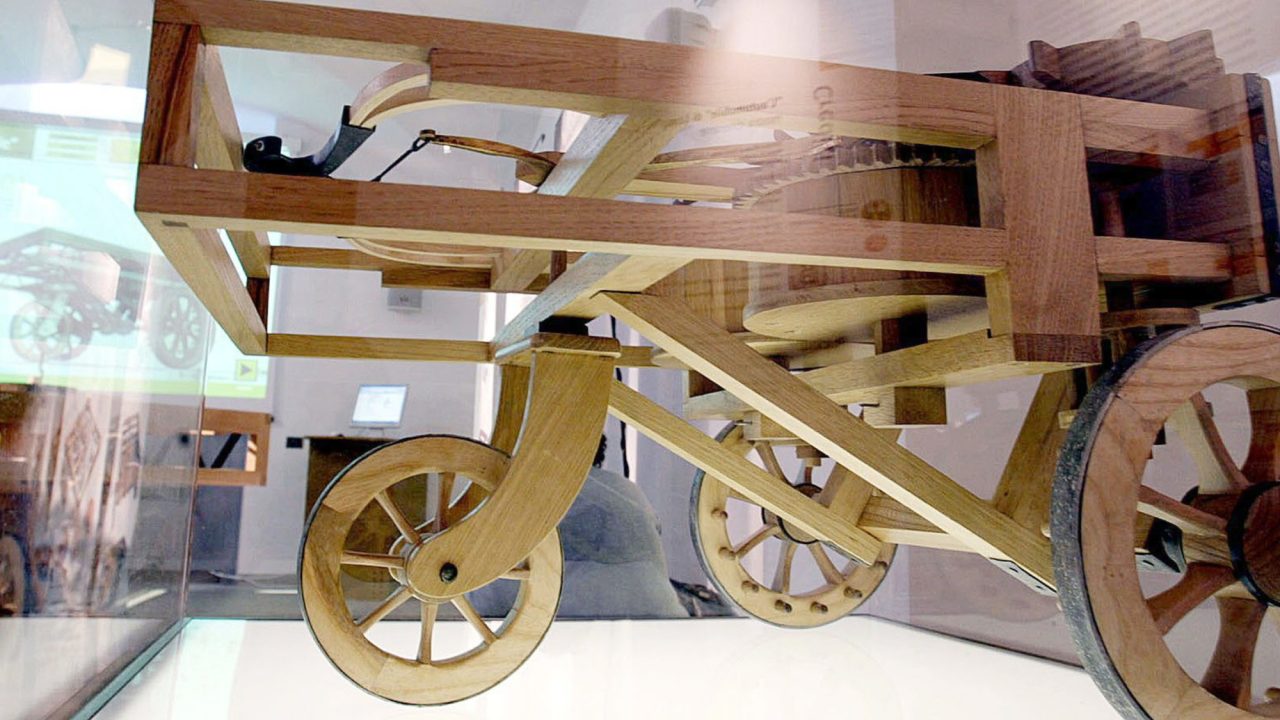
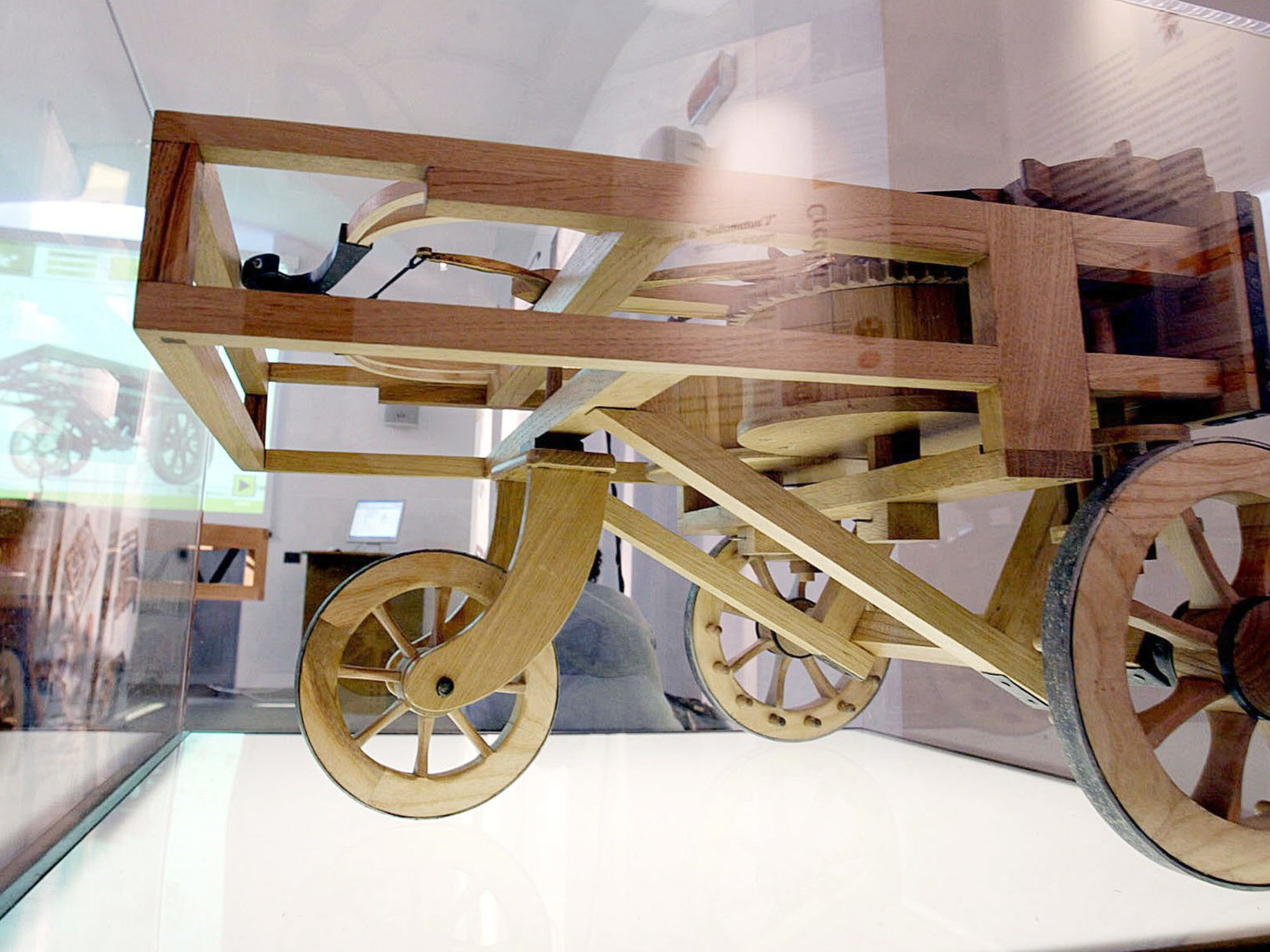
The long-held belief that science and art exist as separate, often opposing, domains is being actively challenged by a new wave of Argentine professionals. These individuals are demonstrating that creativity and analytical thinking are not mutually exclusive but rather interconnected forces that can enrich each other. Their work echoes the polymathic achievements of historical figures like Leonardo da Vinci and Galileo Galilei, suggesting that a holistic pursuit of knowledge can lead to deeper understanding and innovation.
This trend highlights a growing recognition that the quest for truth, whether through empirical observation or artistic expression, often shares a common thread: the pursuit of beauty and elegance. The rigorous methodologies inherent in scientific inquiry can inform artistic creation, while artistic sensibilities can, in turn, illuminate scientific exploration. This interdisciplinary approach not only enriches the lives of those who practice it but also opens new pathways for comprehending the world around us, blurring traditional boundaries and fostering a more integrated understanding of knowledge.
From Physics to Musical Harmony
Alberto Rojo, a distinguished physicist and accomplished musician, perfectly embodies this interdisciplinary ethos. Growing up in Tucumán, his early life was steeped in the folklore music favored by his aunts. At the age of 14, he began playing guitar, drawing inspiration from renowned guitarists such as Andrés Segovia and Eduardo Falú. Rojo pursued a doctorate in Physics at the Instituto Balseiro in Bariloche and currently teaches solid-state physics at Oakland University in Michigan. He identifies a profound link between science and art in their shared pursuit of truth and beauty. As Rojo states, “The scientific theory that is not the most elegant is not the most accepted,” underscoring the subjective yet crucial role of elegance and the often-overlooked aesthetic dimension in science. His literary contributions include “Borges and Quantum Physics” and “Chance in Everyday Life,” complementing his musical albums and solidifying his dual identity.
The Operatic Stage Meets Scientific Inquiry
The world of opera also finds a dedicated advocate in Agustín Adúriz Bravo, a physicist by profession and a lyric singer. His initial exposure to opera, facilitated by his father’s connections to the esteemed Teatro Colón, ignited a passion that eventually led him to vocal studies. Following a period away from singing, he re-engaged with opera in 2010, joining the Giuseppe Verdi company and actively participating in numerous productions. Adúriz Bravo’s unique perspective was notably illustrated during a performance of “El reñidero,” where a widely circulated photograph of a supposed ghost was scientifically explained as the “Brocken Spectre,” an optical phenomenon amplified by stage lighting and smoke machines. He champions the integration of artistic disciplines, particularly opera, as an educational tool for science, suggesting that educators can present complex scientific concepts in engaging and artistic ways.
Biology, Jazz, and Visual Art Connections
Elizabeth Karayekov, a biologist based in Rosario, adeptly balances her scientific career with her passion for jazz. She leads her own big band while also dedicating her efforts to public science communication at the Institute of Cellular and Molecular Biology of Rosario. Her doctoral research focused on plant photomorphogenesis, investigating how plants respond to light. Karayekov’s musical journey began with gospel, transitioned into blues, and culminated in the formation of her own band in 2012. Her fourteen-member group has released two albums and earned the prestigious Estrella de Mar Award for best jazz show, performing jazzed-up versions of popular songs.
The visual arts also attract scientists like Nadia Gutmann, a biologist based in Bariloche, who integrates her scientific expertise with her talent for sculpture. Her doctoral work involved studying the ecology of Patagonian mouse populations. Alongside her scientific pursuits, Gutmann has been creating and exhibiting sculptures since her doctoral studies, earning accolades and participating in sculptor gatherings. Her works, such as a wireframe capuchin monkey sculpture, frequently draw inspiration from nature and her scientific understanding of the environment.
Key Intersections of Art and Science
| Aspect | Description |
|—|—————————————————————————————————————————————————————————————————————————————————————————————————————————————————————————————————————————————————————————————————————————————————————————————————————————————————————————————————————————————————————————————————————————————————————————————————————————————————————————————————————————————————————————————————————————————————————————————————————————————————————————————————————————————————————————————————————————————————————————————————————————————————————————————————————————————————————————————————————————————————————————————————————————————————————————————————————————————————————————————————————————————————————————————————————————————————————————————————————————————————————————————————————————————————————————————————————————————————————————————————————————————————————————————————————————————————————————————————————————————————————————————————————————————————————————————————————————————————————————————————————————————————————————————————————————————————————————————————————————————————————————————————————————————————————————————————————————————————————————————————————————————————————————————————————————————————————————————————————————————————————————————————————————————————————————————————————————————————————————————————————————————————————————————————————————————————————————————————————————————————————————————————————————————————————————————————————————————————————————————————————————————————————————————————————————————————————————————————————————————————————————————————————————————————————————————————————————————————————————————————————————————————————————————————————————————————————————————————————————————————————————————————————————————————————————————————————————————————————————————————————————————————————————————————————————————————————————————————————————————————————————————————————————————————————————————————————————————————————————————————————————————————————————————————————————————————————————————————————————————————————————————————————————————————————————————————————————————————————————————————————————————————————————————————————————————————————————————————————————————————————————————————————————————————————————————————————————————————————————————————————————————————————————————————————————————————————————————————————————————————————————————————————————————————————————————————————————————————————————————————————————————————————————————————————————————————————————————————————————————————————————————————————————————————————————————————————————————————————————————————————————————————————————————————————————————————————————————————————————————————————————————————————————————————————————————————————————————————————————————————————————————————————————————————————————————————————————————————————————————————————————————————————————————————————————————————————————————————————————————————————————————————————————————————————————————————————————————————————————————————————————————————————————————————————————————————————————————————————————————————————————————————————————————————————————————————————————————————————————————————————————————————————————————————————————————————————————————————————————————————————————————————————————————————————————————————————————————————————————————————————————————————————————————————————————————————————————————————————————————————————————————————————————————————————————————————————————————————————————————————————————————————————————————————————————————————————————————————————————————————————————————————————————————————————————————————————————————————————————————————————————————————————————————————————————————————————————————————————————————————————————————————————————————————————————————————————————————————————————————————————————————————————————————————————————————————————————————————————————————————————————————————————————————————————————————————————————————————————————————————————————————————————————————————————————————————————————————————————————————————————————————————————————————————————————————————————————————————————————————————————————————————————————————————————————————————————————————————————————————————————————————————————————————————————————————————————————————————————————————————————————————————————————————————————————————————————————————————————————————————————————————————————————————————————————————————————————————————————————————————————————————————————————————————————————————————————————————————————————————————————————————————————————————————————————————————————————————————————————————————————————————————————————————————————————————————————————————————————————————————————————————————————————————————————————————————————————————————————————————————————————————————————————————————————————————————————————————————————————————————————————————————————————————————————————————————————————————————————————————————————————————————————————————————————————————————————————————————————————————————————————————————————————————————————————————————————————————————————————————————————————————————————————————————————————————————————————————————————————————————————————————————————————————————————————————————————————————————————————————————————————————————————————————————————————————————————————————————————————————————————————————————————————————————————————————————————————————————————————————————————————————————————————————————————-
Key facts
- Source: Clarin Deportes
- Date: 2026-05-24T03:52:30+00:00
- Topic: Arte, ciencia y belleza: ¿Qué une a científicos y artistas argentinos en un mismo escenario?
Source
Clarin Deportes Original publication: 2026-05-24T03:52:30+00:00
Related news

One Injured in Marble Hill Shooting; No Football Disruption Confirmed
A person was hospitalized after a shooting reportedly involving federal agents in New York’s Marble Hill neighborhood. The initial account identifies no…
Read story
Boca vs River Superclásico Confirmed for November 1 at La Bombonera
The Argentine Professional League has set the date and time for the next Boca Juniors vs River Plate Superclásico, scheduled for Sunday,…
Read story
Harry Kane equals Peter Shilton’s England caps record with two goals in Nations League win over Czechia
Harry Kane scored twice on the night he equalled Peter Shilton’s all-time England appearance record, leading the Three Lions to a 3-0…
Read story
Jesse Marsch says Canada “not afraid” as USMNT friendly intensifies rivalry
Canada coach Jesse Marsch has welcomed the pressure of facing the United States, stating his team is “not afraid” as the two…
Read story