
Arabic and Turkish Exams See Surge in Popularity Among Dutch Students
Central exams in Arabic and Turkish are experiencing a significant increase in student participation, driven by a desire to connect with cultural heritage, media influence, and academic advantages.
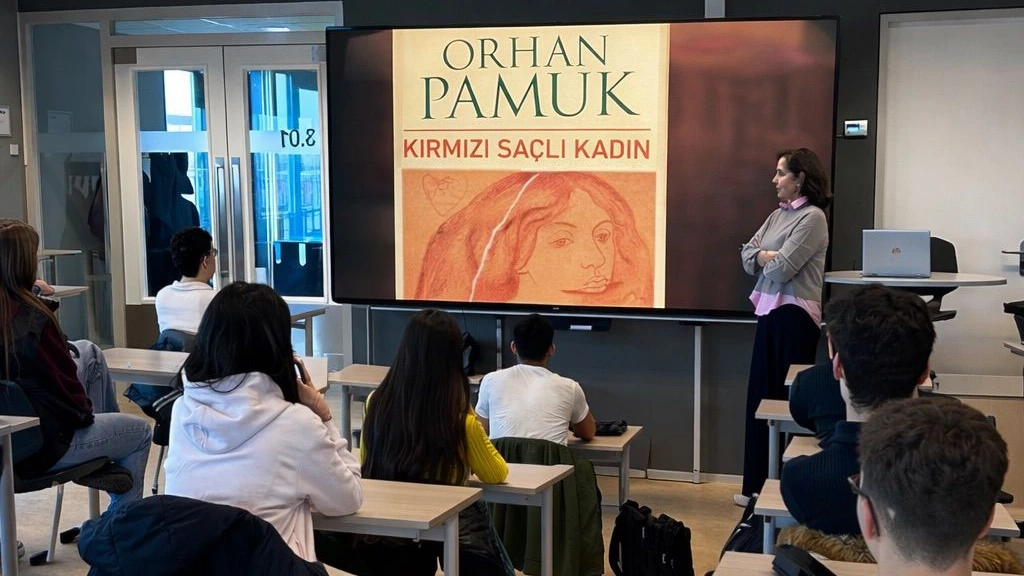
The number of students taking central exams in Arabic and Turkish in the Netherlands is on the rise, according to figures from the College for Toetsen en Examens (CTxE). This growing popularity is attributed to a combination of factors, including a desire to connect with cultural heritage, the influence of media, and the potential academic benefits of these subjects.
Exam Increases
In 2022, 186 students took the Arabic exam, a number that surged to 401 in the current year. Similarly, the Turkish exam saw an increase from 91 candidates in 2022 to 338 this year. This upward trend highlights a growing interest in these languages among Dutch secondary school students.
Motivations for Choosing Arabic
Samira Haddad, an Arabic teacher, explains that the subject is often chosen by children of refugees from countries such as Syria, Iraq, Yemen, and Egypt. For these students, having some familiarity with the language makes it a more accessible option. Additionally, Haddad notes that Dutch students with an Islamic background are also increasingly opting for Arabic, often to deepen their connection with their heritage.
The Appeal of Turkish
Mehmet Uz from the Association of Teachers in Living Languages (Vereniging van Leraren in Levende Talen) points out that the Turkish exam is primarily taken by Dutch students of Turkish descent. He attributes the growing popularity to a concerted effort to promote the subject over the past two years. Uz believes that increased attention to cultural identity, fueled by popular Turkish series and social media role models, is also playing a significant role.
Academic Advantages
Beyond cultural connections, there are strategic academic reasons for choosing these languages. Uz mentions that the average scores for the Turkish exam are often high, which can be beneficial for students looking to compensate for lower grades in other subjects or even drop a less crucial course. Canan Gönencay, a board member of Levende Talen and a Turkish teacher, confirms that many students find the speaking and listening components of the exam relatively easy. However, she notes that reading and writing can present a challenge, as many students encounter written Turkish and Turkish literature for the first time in her classes.
Student Perspectives
Sixteen-year-old Bade Tashan, who is taking her VWO Turkish exam, shared her motivation: “It helps me to learn more about Turkey. I have lived in the Netherlands my whole life, and my only connection to Turkey is my family. Then you wonder things: what would I have been like if I had lived in Turkey?” She found Turkish easier than German and wanted to understand the country her parents were born in better.
Asma Kadura, also sixteen, is taking the VMBO TL Arabic exam. She found it manageable because it is her mother tongue, having lived in Syria for four years. Choosing Arabic allowed her to drop biology, a subject she felt she didn’t need as she aspires to become an architect.
Challenges in Implementation
Despite the growing student interest, offering Arabic and Turkish at schools faces hurdles. Kadura is the sole Arabic exam candidate at her school in Den Helder, receiving online lessons from a teacher in Nijmegen. Gönencay teaches Turkish at thirteen different schools, some online and some in person, with a full class at one school in The Hague and around twenty students in Zwolle.
Uz identifies a shortage of qualified teachers, limited budgets, and small student numbers as primary reasons why many schools cannot offer Turkish. He also notes a reluctance among some institutions, stemming from a misconception that teaching Turkish or Arabic is solely about supporting Islamic education, rather than fostering language acquisition. Uz remains optimistic, however, anticipating further growth as more Turkish-speaking students become aware of the exam opportunity.
Key Figures and Trends
- Arabic Exam Candidates: 186 | 401
- Turkish Exam Candidates: 91 | 338
Motivations for choosing these languages range from connecting with heritage and refugee backgrounds to leveraging potential academic benefits and media influence. However, challenges persist, including a shortage of qualified teachers, limited budgets, and institutional reluctance in some schools.
What Remains Unclear
While the article highlights a significant increase in student participation in Arabic and Turkish exams, the precise geographical distribution of these popular courses across the Netherlands is not detailed. Furthermore, the long-term impact of these trends on the broader Dutch educational landscape and the availability of language instruction at various educational levels warrants further investigation.
The increasing participation in Arabic and Turkish exams is a significant development for Dutch education. It reflects a growing recognition of the value of linguistic and cultural diversity within the school system. For FootballGames10 readers, this trend may indicate a broader shift in educational priorities and the increasing importance of languages that connect students to global communities and their own heritage.
Source: NOS Voetbal (https://nos.nl/l/2615843)
Source
NOS Voetbal Original publication: 2026-05-26T03:17:09+00:00
Related news

One Injured in Marble Hill Shooting; No Football Disruption Confirmed
A person was hospitalized after a shooting reportedly involving federal agents in New York’s Marble Hill neighborhood. The initial account identifies no…
Read story
Boca vs River Superclásico Confirmed for November 1 at La Bombonera
The Argentine Professional League has set the date and time for the next Boca Juniors vs River Plate Superclásico, scheduled for Sunday,…
Read story
Harry Kane equals Peter Shilton’s England caps record with two goals in Nations League win over Czechia
Harry Kane scored twice on the night he equalled Peter Shilton’s all-time England appearance record, leading the Three Lions to a 3-0…
Read story
Jesse Marsch says Canada “not afraid” as USMNT friendly intensifies rivalry
Canada coach Jesse Marsch has welcomed the pressure of facing the United States, stating his team is “not afraid” as the two…
Read story