Midfield Maestro: Why the Engine Room Often Decides Big Football Matches
Beyond the star forwards, the battle in midfield often dictates the flow, tempo, and ultimately the outcome of major football encounters. This article delves into how control of the middle third can be the key to victory.
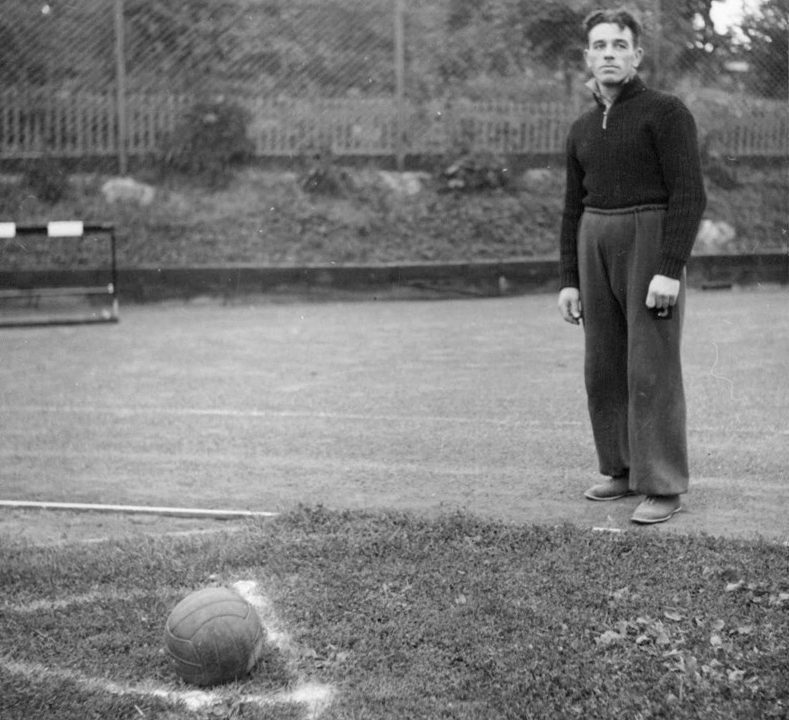
The modern game of football is often marketed on the brilliance of its star forwards. The dazzling dribbles, the clinical finishes, the record-breaking goal tallies – these are the moments that fill highlight reels and draw in casual viewers. Yet, beneath the glamour of the attacking titans, a far more intricate and often decisive battle unfolds: the midfield matchup. For all the focus on who scores the goals, the truth is that the team that controls the engine room, the middle third of the pitch, frequently controls the game itself.
This article dissects why the midfield battle is so pivotal, exploring the tactical nuances, key player roles, and typical scenarios where the control of this central zone directly influences the outcome, even when the pre-match narrative is dominated by the attacking prowess of individual players.
Beyond the Strikers: The True Battleground
Football is a game of possession, territory, and transitions. All three are heavily influenced, if not outright dictated, by the midfield. While a world-class striker can score from half-chances, and a brilliant winger can unlock a defence, their effectiveness is often a direct consequence of the service and protection they receive from the players behind them. The midfield acts as the link between defence and attack, the primary source of ball progression, and the first line of defence.
Consider a major final between two teams boasting prolific goalscorers. The media hype will inevitably focus on the head-to-head between these individuals. However, astute observers and tactical analysts will often look deeper, identifying the midfield duels as the true indicators of who might gain the upper hand. A dominant midfield can starve opposition forwards of service, provide a steady supply line to their own attackers, and dictate the pace and rhythm of the entire match.
The Multifaceted Roles of Midfielders
The term ‘midfielder’ encompasses a wide array of roles, each crucial to the overall balance and functionality of a team. Understanding these roles helps to appreciate the complexity and importance of the midfield battle.
Defensive Midfielders (Holding Midfielders/Anchors): These players are often the unsung heroes. Their primary role is to protect the defence, break up opposition attacks, and recycle possession. They often sit deep, screening the back four, intercepting passes, and winning tackles. A strong defensive midfielder can snuff out threats before they reach the penalty area, allowing the more creative players ahead of them to focus on attacking duties. Think of players like Rodri, Casemiro, or N’Golo Kanté in their prime – their ability to disrupt and recover is invaluable.
Central Midfielders (Box-to-Box Midfielders): These are the workhorses, covering vast amounts of ground both defensively and offensively. They contribute to attacks with late runs into the box, link-up play, and long-range shooting, while also tracking back to support the defence. Their energy and versatility are vital for maintaining intensity throughout a match. Players like Jude Bellingham or Federico Valverde exemplify this dynamic role.
Attacking Midfielders (Playmakers/Number 10s): Positioned just behind the strikers, these players are the creative hub of the team. They are responsible for providing key passes, unlocking defences with intricate dribbling, and scoring goals. While often overshadowed by the main strikers, a top-class attacking midfielder is the conductor of the orchestra, orchestrating attacks and creating opportunities. Kevin De Bruyne and Bruno Fernandes are prime examples of modern playmakers.
Tactical Implications: Why Midfield Dominance Matters
The control of the midfield offers several distinct tactical advantages that directly impact a game’s outcome:
- Possession and Tempo Control: A team that wins the midfield battle typically enjoys more possession. This allows them to dictate the tempo of the game, slowing it down to conserve energy or speeding it up to put pressure on the opposition. More possession also means the opponent has less time on the ball, reducing their opportunities to create chances.
- Preventing Opposition Transitions: Many modern attacks are built on quick transitions from defence to attack. A robust midfield can effectively break up these transitions, either by winning the ball high up the pitch or by delaying the attack long enough for defenders to get back into position. This denies the opposition the space and time needed to exploit defensive vulnerabilities.
- Supplying the Forwards: Even the most gifted forwards struggle without quality service. Midfielders are the primary providers of through balls, crosses, and decisive passes that put attackers in goal-scoring positions. A midfield that is constantly losing the ball or failing to progress it effectively will leave their forwards isolated and frustrated.
- Defensive Shielding: A strong midfield acts as a crucial shield for the defence. By winning second balls, intercepting passes, and engaging in duels, they reduce the pressure on the backline, preventing opposition players from easily reaching dangerous areas.
Case Studies: Midfield Masterclasses in Big Games
History is replete with examples of major matches where the midfield battle, rather than individual attacking brilliance, proved to be the decisive factor.
| Match Example | Key Midfielders Involved | Outcome/Impact |
|---|---|---|
| 2010 World Cup Final | Xavi, Iniesta (Spain) vs. De Jong, Van Bommel (Netherlands) | Spain’s technical dominance and control of possession eventually wore down the Dutch, despite robust defending. |
| 2011 Champions League Final | Xavi, Iniesta, Busquets (Barcelona) vs. Carrick, Giggs, Park (Man Utd) | Barcelona’s midfield carousel completely overwhelmed United, dictating play and providing constant service to Messi. |
| 2022 Champions League Final | Kroos, Modric, Casemiro (Real Madrid) vs. Fabinho, Thiago, Henderson (Liverpool) | Real Madrid’s experience and tactical discipline in midfield frustrated Liverpool’s high-pressing game. |
| 2014 World Cup Semi-Final | Kroos, Khedira, Schweinsteiger (Germany) vs. Fernandinho, Luiz Gustavo (Brazil) | Germany’s midfield utterly dominated, leading to the historic 7-1 victory, as Brazil’s midfield collapsed. |
These examples underscore a recurring theme: even with world-class attackers on both sides, the team that establishes superiority in the middle of the park often emerges victorious.
The Role of Coaching and Tactics
Coaches play a critical role in shaping the midfield battle. Their tactical choices regarding formation, player roles, and pressing schemes directly influence how their team approaches the middle third. A coach might opt for a midfield three to dominate possession, a diamond shape to create overloads, or a flat four to maintain defensive solidity.
For instance, Pep Guardiola’s Manchester City teams are renowned for their midfield control, often deploying multiple technically gifted players to pass and move opponents into submission. Conversely, teams under Jürgen Klopp often rely on intense pressing from their midfielders to win the ball back high up the pitch and launch quick counter-attacks. Both approaches, while different, highlight the central importance of the midfield.
Actionable Takeaways for the Reader
When watching a big game, especially one hyped around star forwards, shift your focus to the midfield. Here’s what to look for to understand who is winning the crucial battle:
Possession Distribution: Which team is retaining the ball more effectively in the middle third? Are passes being completed cleanly or are they being intercepted?
2. Pressing and Counter-Pressing: Which team’s midfielders are winning the ball back quickly after losing it? Are they effectively closing down space for the opposition?
3. Key Duels: Identify the head-to-head matchups. Is a defensive midfielder successfully nullifying an attacking midfielder? Are central midfielders winning their individual battles for loose balls?
4. Ball Progression: Which team’s midfielders are successfully carrying the ball forward or playing incisive passes into dangerous areas? Are the forwards receiving good service?
5. Defensive Shape: When out of possession, how well are the midfielders tracking back and forming a protective screen in front of their defence?
Understanding these dynamics offers a deeper appreciation of the game and often provides a clearer indication of which team is truly in control, regardless of the individual brilliance on display in the attacking third. The midfield might not always grab the headlines, but more often than not, it wins the match.
Related news

Body of Missing 5-Year-Old Belgian Boy Likely Found Near Football Club; Father Still Missing
The body of 5-year-old Tyméo Brigou, missing since late June, has likely been found in a wooded area just two kilometers from…
Read story
Serie A clubs Lazio and Fiorentina show interest in free agent Mauro Icardi
The 33-year-old Argentine striker remains a free agent after leaving Galatasaray, with Lazio and Fiorentina both considering a move before the Italian…
Read story
Therian Interrupts “Aura Farming” Gathering in La Plata, Gets Escorted Out by Crowd
A person identifying as a therian briefly disrupted a large "aura farming" meetup in La Plata's Plaza Moreno on Saturday, only to…
Read story
Seven Argentine Players Named in CONMEBOL Team of the Week for Copa Libertadores and Sudamericana
CONMEBOL has selected its ideal lineups for the round of 16 second legs, with seven Argentine players earning spots across both the…
Read story