
The Strategic Imperative: Why Squad Rotation is Key to Tournament Success
In the demanding landscape of international football tournaments, effective squad rotation isn't just a tactical option—it's a critical strategy for managing player fatigue, preventing injuries, and maintaining peak performance across a grueling schedule. This article explores why squad rotation matters more than ever
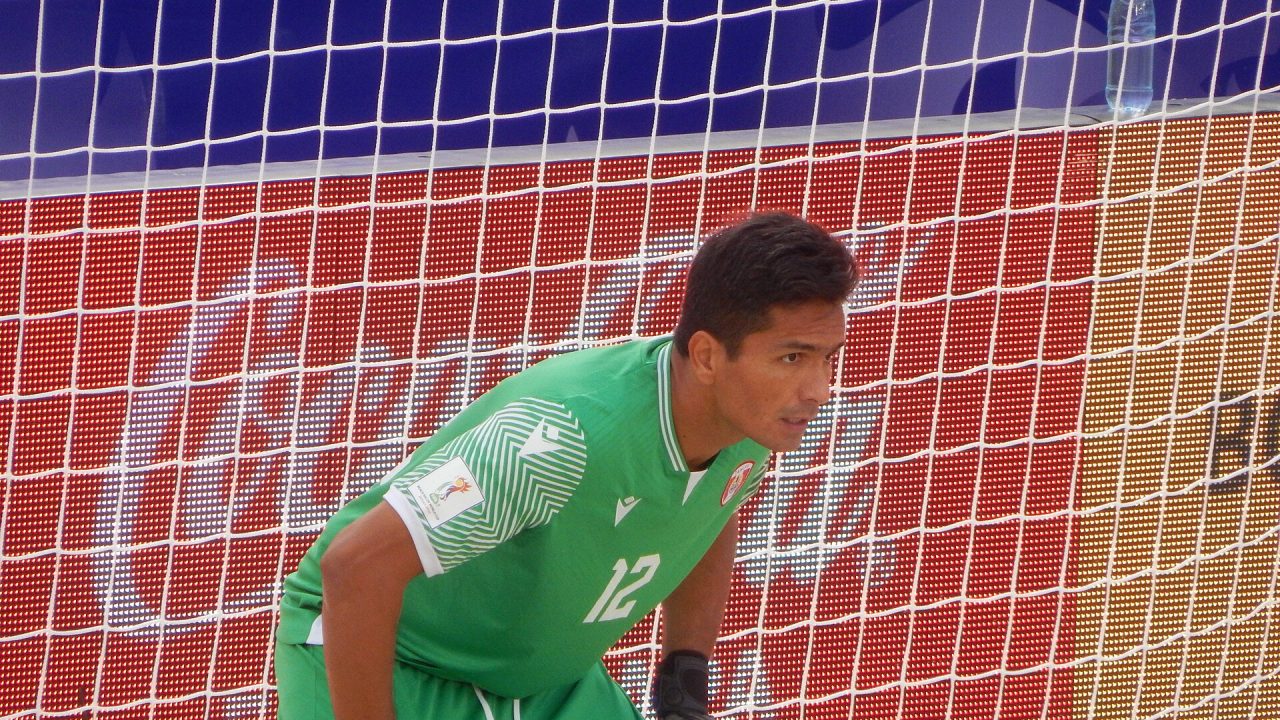
The modern football calendar, particularly at the international tournament level, presents an unrelenting challenge to players and coaching staff alike. With major competitions like the FIFA World Cup, UEFA European Championship, and continental club tournaments often featuring intense group stages followed by knockout rounds, teams can face multiple high-stakes matches within a span of days. In this demanding environment, the concept of squad rotation transcends mere tactical preference, becoming a strategic imperative for any team aspiring to lift the trophy.
Understanding the profound impact of short rest periods on player physiology and performance is fundamental to appreciating why rotation is so crucial. The physical toll of competitive football is immense, and insufficient recovery time significantly amplifies the risks of fatigue, reduced output, and, most critically, injury.
The Science Behind Short Rest and Performance Decline
Elite footballers operate at peak physical conditioning, but even they have limits. A typical professional football match involves sustained high-intensity efforts, including sprints, accelerations, decelerations, jumps, and tackles. A single game can cover distances upwards of 10-12 kilometers per player, with a significant portion of that at high speed.
When matches are played with only two or three days of rest, the body simply does not have enough time to fully recover. Muscle glycogen stores, the primary fuel source for high-intensity exercise, are depleted and take 24-48 hours to replenish. Muscle damage, leading to soreness and reduced force production, can persist for a similar timeframe. Additionally, the central nervous system experiences fatigue, impacting decision-making, reaction time, and coordination – all vital components of football performance.
A study published in the Journal of Sports Sciences highlighted how fixture congestion negatively impacts physical performance metrics, particularly in the latter stages of games. Players are less able to maintain high-intensity running, and technical errors tend to increase. This physiological reality underscores why relying on the same starting XI for every match in a compact tournament is a recipe for disaster.
Injury Prevention: A Primary Driver for Rotation
Perhaps the most compelling argument for squad rotation is injury prevention. Overtraining and insufficient recovery are well-documented precursors to musculoskeletal injuries. Hamstring strains, groin problems, and knee issues are common in football, and the risk escalates dramatically when players are pushed to their limits without adequate rest.
For example, during the 2014 FIFA World Cup, teams that rotated their squads more effectively tended to have fewer muscle injuries in the knockout stages. Coaches like Joachim Löw (Germany) and Louis van Gaal (Netherlands) were noted for their strategic use of their full squad, allowing key players to conserve energy for crucial moments.
The costs of injury extend beyond individual player welfare. Losing a key player to injury can derail a team’s entire tournament campaign, impacting morale, tactical flexibility, and overall performance. Therefore, a proactive rotation policy is an investment in the team’s sustained health and competitive viability.
Tactical Flexibility and Maintaining Intensity
Squad rotation isn’t just about resting players; it’s also a powerful tactical tool. Different opponents demand different approaches, and having a diverse squad allows coaches to tailor their starting XI to exploit weaknesses or counter strengths. A fresh player, even if not a ‘star,’ can bring energy, pace, or a specific tactical profile that an exhausted regular might lack.
Consider the example of a team facing a highly pressing opponent. Starting players with exceptional endurance and work rate might be crucial for the first game. However, for the next match against a more defensively minded team, bringing in players with greater technical ability or creative flair might be more effective. Rotation enables this tactical adaptability without compromising overall team intensity. A fresh player is typically more eager, aggressive, and capable of executing the tactical plan at full tilt.
Managing Player Psychology and Morale
Beyond the physical and tactical aspects, squad rotation plays a significant role in managing player psychology and team morale. A large squad of highly skilled professionals expects opportunities to play. Consistently overlooking certain players can lead to frustration, demotivation, and a negative atmosphere within the camp.
By providing opportunities to a wider group of players, coaches foster a sense of collective purpose and keep everyone engaged. Players who know they might be called upon at any moment are more likely to maintain their fitness, focus, and readiness. This creates a stronger, more cohesive unit where every player feels valued and understands their role, even if it’s not starting every game.
This is particularly true in tournaments where the stakes are high and emotions run deep. A player who has been rested might come into a crucial knockout game feeling refreshed and highly motivated to prove their worth, potentially providing the decisive edge.
Key Considerations for Effective Squad Rotation
Implementing a successful squad rotation strategy requires careful planning and communication. Here are some key considerations:
- Player Monitoring: Regular physiological monitoring (GPS data, heart rate, sleep quality) helps coaches identify players at risk of fatigue or injury.
- Communication: Clear communication with players about their roles, rest periods, and expectations is vital to maintain morale and understanding.
- Depth and Quality: A successful rotation strategy relies on having sufficient depth and quality across the squad. Teams with a strong bench are inherently better equipped for tournaments.
- Opposition Analysis: Tailoring rotations based on the opponent’s style of play and threat level can maximize impact.
- Tournament Stage: Rotation might be more aggressive in the group stages, often becoming more measured in the knockout rounds where the stakes are higher.
Summary of Squad Rotation Benefits in Short-Rest Tournaments
| Aspect | Benefit of Effective Squad Rotation | Consequence of Poor Rotation (Overplaying) |
|---|---|---|
| Physical Health | Reduces fatigue, lowers injury risk (muscle strains, overuse) | Increased risk of muscle injuries, joint problems, chronic fatigue |
| Performance | Maintains high intensity, sharp decision-making, technical execution | Decline in physical output, increased technical errors, slower reactions |
| Tactical Options | Allows for tailored team selections against diverse opponents | Limited tactical flexibility, predictable play |
| Team Morale | Keeps all players engaged, motivated, and feeling valued | Frustration among non-starters, potential for negative dressing room atmosphere |
| Tournament Longevity | Sustains peak performance through grueling schedules, deep runs | Early exits due to exhaustion, key player injuries, or loss of form |
Conclusion
In the high-stakes environment of international football tournaments with compact schedules and minimal rest, squad rotation is no longer a luxury but a fundamental component of a successful strategy. It’s a testament to modern football’s evolution, where scientific understanding of player physiology, tactical acumen, and psychological management converge. Teams that master the art of rotating their players effectively are not just protecting their athletes; they are strategically positioning themselves for sustained success, ensuring their stars are fresh and firing when it matters most, and that every member of the squad feels ready to contribute to the ultimate goal.
Related news
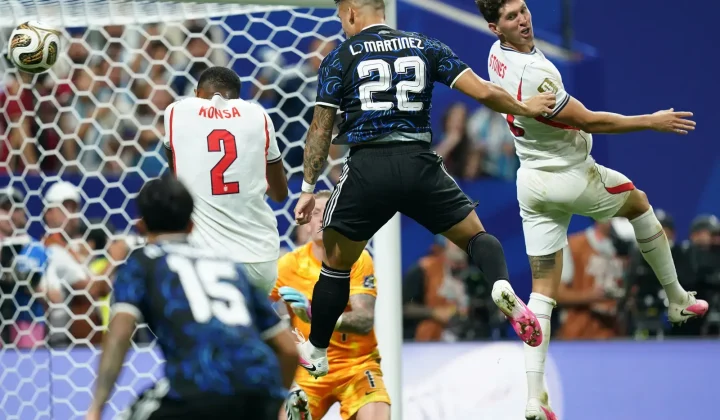
FIFA Marks 100 Days Since Lautaro Martinez’s World Cup Semi-Final Winner Against England with Spider-Cam Tribute
FIFA released a spider-cam video of Lautaro Martinez’s winning goal against England in the 2026 World Cup semi-final, exactly 100 days after…
Read story
Premier League Weekend Preview: Dowman Chance, Spurs-Chelsea Balance, Disasi Redemption
Arsenal teenager Max Dowman could feature after Bukayo Saka’s injury, Roberto De Zerbi seeks balance at Stamford Bridge, and Axel Disasi looks…
Read story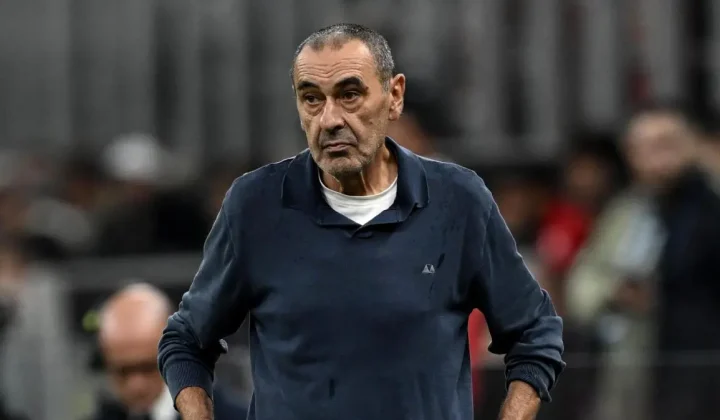
Atalanta’s Sarri Faces Injury Crisis Ahead of Ajax Clash, Turns to Youth in Conference League
Atalanta boss Maurizio Sarri confirmed the team is missing eight key players for their Conference League match against Ajax, turning to young…
Read story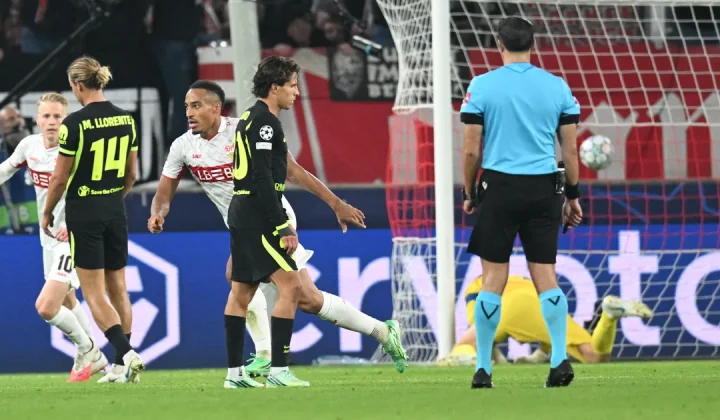
VfB Stuttgart Hold 10-Man Atletico Madrid to Champions League Draw
Jamie Leweling scored but Stuttgart could not hold on as Julián Alvarez equalised for 10-man Atletico Madrid in a 1-1 Champions League…
Read story