La Liga Title Race: How European Fixtures Reshape the Domestic Battle
Explore how the arrival of demanding European fixtures significantly impacts the La Liga title race, affecting squad depth, player fatigue, and tactical approaches for Spain's top clubs.
The pursuit of the La Liga title is a gruelling marathon, demanding consistency, tactical acumen, and robust squad depth over an entire season. However, this domestic challenge takes on an entirely new dimension when the demanding schedule of European club competitions – primarily the UEFA Champions League and Europa League – enters the fray. For Spain’s elite clubs, balancing continental ambition with domestic supremacy becomes a delicate high-wire act, often redefining the trajectory of the La Liga title race.
The European calendar typically kicks into high gear during the autumn months, intensifying after the group stages conclude and reaching its fever pitch with the knockout rounds in the spring. This period coincides with crucial junctures in the domestic league, creating significant fixture congestion that can stretch even the deepest squads to their limits. Understanding how these external pressures manifest on the La Liga stage is key to appreciating the true complexity of a title challenge.
The Anatomy of Fixture Congestion
For clubs competing in the Champions League, the rhythm shifts to a mid-week European encounter followed by a high-stakes La Liga match on the weekend. This relentless cycle allows minimal recovery time and even less preparation for upcoming opponents. Teams involved in the Europa League face a similar, albeit often geographically more challenging, schedule, frequently involving Thursday night matches that compromise weekend league performance.
This congestion forces managers to make difficult choices regarding squad rotation. Playing the same starting eleven twice a week for extended periods is unsustainable, leading to increased fatigue and a higher risk of injuries. Consequently, bench players and youth academy products often see enhanced roles, their performances becoming critical to maintaining momentum on both fronts. The ability of a manager to effectively rotate their squad without significantly diluting quality is a hallmark of a successful European and domestic campaign.
Consider a typical schedule: a Champions League tie on Tuesday or Wednesday, followed by a La Liga clash on Saturday or Sunday. This leaves only three or four days, respectively, for recovery, travel, tactical analysis, and training. The physical toll on players is immense, particularly for those who play key roles in both competitions. Coaches must manage minutes meticulously, sometimes sacrificing a less critical league match to ensure key players are fresh for a pivotal European knockout game, or vice-versa.
Impact on Player Fatigue and Injury Risk
Player fatigue is perhaps the most direct and visible consequence of European commitments. The accumulation of minutes, coupled with extensive travel across different time zones, can lead to a noticeable drop in performance quality as the season progresses. This is not just about physical exhaustion; mental fatigue also plays a significant role, affecting decision-making and concentration on the pitch.
The increased workload also correlates directly with a heightened risk of injuries. Muscle strains, ligament issues, and other common footballing ailments become more prevalent when players are pushed beyond their physical limits without adequate rest. A crucial injury to a star player or a key defensive stalwart can derail a title challenge in an instant. For instance, a club like Real Madrid, known for its deep runs in the Champions League, often navigates periods where their squad is stretched thin due to injuries sustained across both competitions.
| Factor | Impact on La Liga Title Race |
|---|---|
| Fixture Congestion | Reduced recovery, less training time, increased travel |
| Player Fatigue | Decreased performance quality, mental exhaustion |
| Injury Risk | Higher incidence of muscle strains, key player absences |
| Squad Depth | Reliance on rotation, importance of fringe players |
| Tactical Adjustments | Conservation of energy, altered game plans, defensive focus |
Tactical Adjustments and Strategic Priorities
Managers instinctively adapt their tactical approaches when faced with European demands. Energy conservation often becomes a priority, leading to less high-pressing football and more structured, disciplined defensive displays in certain league matches. Teams might opt for a more pragmatic style, prioritising clean sheets and efficient counter-attacks over expansive, high-octane football when their key creative players are fatigued or rested.
The strategic prioritisation of competitions also comes into play. While no top club openly admits to de-prioritising La Liga, the reality is that deep runs in the Champions League, with its immense prestige and financial rewards, can sometimes take precedence. This is particularly true in the latter stages of the European competition. A club might field a slightly weakened team in a league match sandwiched between two crucial European knockout ties, risking dropped points domestically for the chance of continental glory.
For clubs like Real Madrid and FC Barcelona, who consistently aim for both titles, this balancing act is an annual challenge. Atletico Madrid, under Diego Simeone, has often shown a remarkable ability to grind out results in La Liga even with European distractions, a testament to their defensive solidity and disciplined approach.
The Role of Squad Depth
The true test of a La Liga title contender with European aspirations lies in the depth and quality of its squad. Clubs with robust benches, featuring players who can seamlessly step in and perform at a high level, are better equipped to navigate the dual demands. This means not just having capable substitutes, but players who are tactically versatile and can maintain the team’s core identity.
Investment in young talent and shrewd transfer market activity to build a comprehensive squad becomes paramount. A club that relies heavily on a core eleven without adequate backups will inevitably falter under the strain of a prolonged European campaign. The ability to rotate without a significant drop in quality is a luxury that often separates champions from contenders.
Psychological and Momentum Shifts
Beyond the physical and tactical aspects, the psychological impact of European competition is profound. A thrilling victory in a Champions League knockout tie can inject immense confidence and momentum into a squad, potentially carrying over into their domestic performances. Conversely, a heartbreaking European exit can leave a team deflated, affecting their mental fortitude for subsequent league matches.
The perception of success also plays a role. A club that is performing well in Europe might be more forgiving of a slip-up in La Liga, especially if their rivals are also facing similar pressures. The narrative around a team can shift significantly based on their European exploits, influencing media coverage, fan expectations, and ultimately, player morale.
The Underdog Advantage
While the top clubs grapple with European commitments, teams solely focused on La Liga can sometimes gain an advantage. Without the mid-week travel and high-intensity matches, these clubs have more time for rest, recovery, and dedicated training sessions. This can lead to greater consistency and fewer injuries, allowing them to capitalise on the fatigue of their European-bound rivals.
This often allows teams outside the traditional ‘big three’ to emerge as dark horses or maintain a stronger challenge for European qualification spots themselves. Their simpler schedule can be a significant, albeit often understated, factor in their domestic performance.
Conclusion: A Strategic Chess Match
The arrival of European fixtures transforms the La Liga title race from a straightforward league campaign into a complex strategic chess match. It tests squad depth, managerial acumen, player resilience, and tactical flexibility. Clubs must weigh the prestige and financial rewards of continental glory against the consistent grind of domestic success.
For fans and analysts alike, tracking how teams manage their resources, adapt their tactics, and navigate the inevitable waves of fatigue and injury becomes a fascinating subplot of the season. The true champion is not just the team that performs best on paper, but the one that most effectively masters the art of balancing ambition across multiple fronts, demonstrating that the La Liga title is often won not just on the pitch, but in the meticulous planning and strategic decisions made off it.
Related news
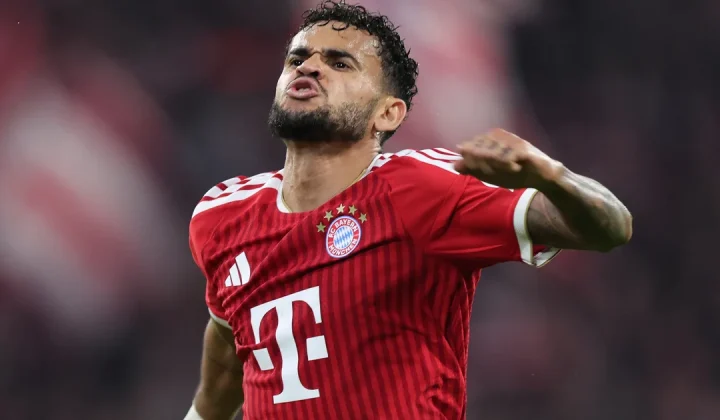
Luis Díaz Hat-Trick Powers Bayern Munich to 6-1 Rout of RB Leipzig
The Colombian winger scored a brilliant hat-trick and added an assist as Bayern Munich thrashed RB Leipzig 6-1, ending a slow start…
Read story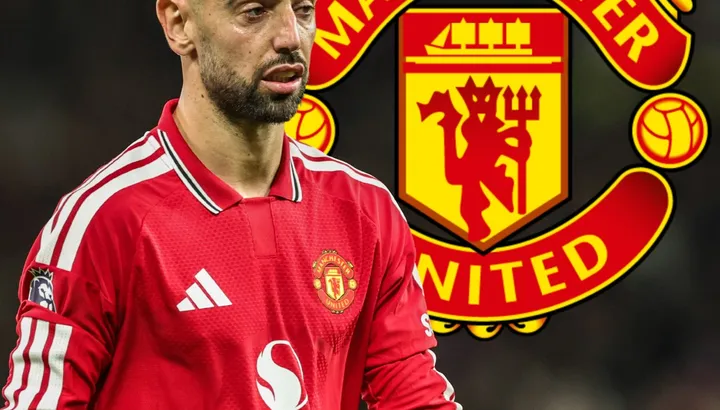
Bruno Fernandes Contract Talks Underway as Man United Face Key Summer Decisions
Manchester United are in active discussions with captain Bruno Fernandes over a contract extension, according to reports, as the 32-year-old enters the…
Read story
Celtic’s Europa League struggles deepen as Benfica expose familiar flaws
A 4-1 defeat in Lisbon leaves Celtic with two losses from two Europa League group games. Martin O’Neill sees positives in the…
Read story
Borussia Dortmund Fall to Bodø/Glimt in Champions League Shock
Fredrik Sjøvold’s second-half strike gave the Norwegian side a 1-0 win over Niko Kovač’s Dortmund, who struggled to break down a disciplined…
Read story