
Why La Liga’s Youth Development and Academy Minutes Still Dominate Football Coverage
Explore the enduring significance of La Liga's commitment to youth development and academy minutes, examining how this philosophy shapes Spanish football and its global reputation.
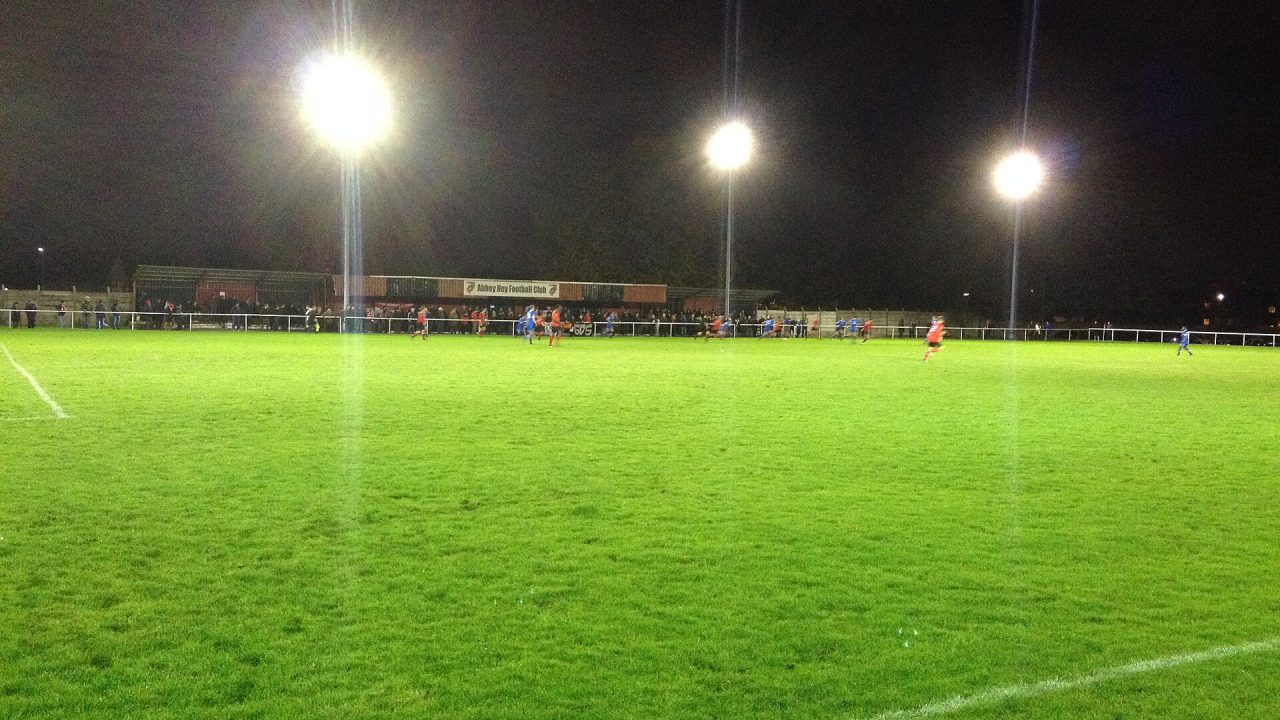
The narrative surrounding Spanish football often circles back to one fundamental pillar: its unparalleled commitment to youth development. From the sun-drenched pitches of Andalusia to the bustling training grounds of Catalonia, the emphasis on nurturing homegrown talent, particularly through extensive academy minutes, remains a cornerstone of La Liga’s identity and a constant fixture in football commentary. This isn’t merely a nostalgic sentiment; it’s a strategic philosophy that continues to yield world-class players and shape the tactical evolution of the beautiful game.
For decades, La Liga clubs have invested heavily in their canteras (youth academies), viewing them not just as feeder systems but as integral parts of their club’s DNA. This deep-rooted belief in fostering young talent, providing them with structured pathways, and crucially, granting them significant first-team opportunities, distinguishes Spanish football on the global stage.
Why does this steadfast dedication to youth development and the concept of ‘academy minutes’ continue to capture the imagination of fans, pundits, and journalists alike? It’s because it speaks to a romantic ideal of football – one where local heroes rise through the ranks, embody the club’s values, and ultimately define an era. But beyond the romance, there are tangible, strategic reasons why this remains a central theme in all discussions about Spanish football.
The Enduring Philosophy Behind La Liga’s Youth Focus
The Spanish approach to youth development is often characterized by a strong emphasis on technical proficiency, tactical intelligence, and a deep understanding of possession-based football. Unlike some other European leagues that might prioritize physical attributes earlier, La Liga academies are renowned for honing players’ ball control, passing accuracy, and decision-making from a remarkably young age. This philosophy is deeply ingrained, often starting with children as young as five or six.
Clubs like FC Barcelona’s La Masia, Real Madrid’s La Fábrica, and Athletic Bilbao’s unique Basque-only policy are prime examples of this commitment. These academies are more than just training facilities; they are educational institutions that often integrate schooling with football training, ensuring a holistic development approach. The objective is not just to produce footballers but well-rounded individuals who understand the club’s ethos.
This systematic approach is underpinned by a widespread coaching methodology that promotes creativity, intelligent movement off the ball, and a progressive style of play. Young players are encouraged to take risks, express themselves, and understand the tactical nuances of the game, rather than being rigidly constrained. This environment is conducive to producing players who are not only technically gifted but also highly adaptable and tactically astute, ready to integrate into complex senior team systems.
The Critical Role of Academy Minutes in Player Development
The term “academy minutes” refers to the playing time young, academy-produced players receive at the senior level. This is where the rubber meets the road for any youth development program. A brilliant academy that produces exceptional talents will only truly succeed if those talents are given the opportunity to prove themselves in the first team. La Liga clubs, by and large, have a strong track record of doing just this.
This isn’t to say every academy graduate makes it, or that every club gives equal opportunity. However, the culture within Spanish football often favors integrating youth. Financial constraints at some clubs, coupled with a belief in their own development systems, mean that promoting from within is often a preferred, and sometimes necessary, strategy. This creates a virtuous cycle: success stories inspire further investment in academies, and the promise of first-team football attracts the best young talent.
Consider the recent data on minutes played by U21 players across Europe’s top leagues. While specific rankings fluctuate year to year, La Liga consistently features clubs that provide significant minutes to their homegrown talents. This commitment allows young players to gain invaluable experience, adapt to the intensity of professional football, and accelerate their development in a competitive environment.
Examples of La Liga’s Talent Factories
The success of La Liga’s youth development model is best illustrated by the academies that consistently produce world-class talent. These institutions have become synonymous with excellence and innovation in football education.
- FC Barcelona’s La Masia: Perhaps the most famous academy globally, La Masia is renowned for its specific playing philosophy, focusing on possession, technical skill, and tactical intelligence. It has produced generations of players who have not only excelled at Barcelona but also influenced the Spanish national team’s golden era.
- Real Madrid’s La Fábrica: While sometimes overshadowed by Barcelona’s narrative, Real Madrid’s academy is equally prolific, consistently supplying players for their first team and many other top European clubs. Their focus often balances technical quality with athletic prowess, adapting to the demands of modern football.
- Athletic Bilbao’s Cantera: Unique in its commitment to only fielding Basque players, Athletic Bilbao’s academy is a testament to strong regional identity and a deep-seated trust in local talent. This policy necessitates an exceptional youth system to remain competitive in La Liga.
- Real Sociedad and Valencia CF: These clubs also boast exceptional academies that regularly unearth and develop top-tier talent, forming the backbone of their squads and often generating significant transfer revenue.
Impact of Academy Minutes on Club and National Teams
The consistent provision of academy minutes has a profound impact not just on individual player careers but on the broader landscape of Spanish football.
Club Category | Typical Academy Focus | Impact on First Team | Notable Examples
—|—|—|—
Elite Clubs | Technical, tactical, global scouting | Integrate top prospects, maintain identity | FC Barcelona, Real Madrid
Mid-Table Clubs | Regional talent, specific roles | Key squad players, sales, sustainability | Valencia CF, Real Sociedad, Athletic Bilbao
Smaller Clubs | Local talent, survival, development | Core team, future talent, financial stability | Celta Vigo, Villarreal CF, Osasuna
Why Youth Development Matters for Fans and Global Football
For football fans and observers, the emphasis on youth development and academy minutes offers several compelling narratives:
The Underdog Story: Everyone loves to see a local boy make good. The journey from the academy to the first team provides compelling human interest stories that resonate deeply with supporters.Club Identity and Values: When a significant portion of a team comprises academy graduates, it strengthens the club’s identity and connection to its community. It reinforces the idea that the club is more than just a collection of expensive imports.Sustainable Success: Relying on a robust academy system can lead to more sustainable success. It reduces reliance on the transfer market, provides a steady stream of talent, and can even generate significant transfer revenue from sales of developed players.Tactical Innovation: Players who grow up together in an academy often develop a telepathic understanding on the pitch. This shared understanding, combined with a consistent tactical philosophy, can lead to highly cohesive and innovative team play. This is often cited as a reason for Spain’s international successes at both club and national team levels.Global Talent Pool: La Liga’s academies are not just producing players for Spanish clubs; they are contributing significantly to the global talent pool. Many players who start their careers in Spain move on to other top leagues, spreading the influence of Spanish football’s developmental philosophy.
Looking Ahead: The Future of La Liga’s Youth Model
The ongoing conversation about La Liga’s youth development and the precious academy minutes is not just about celebrating past glories. It’s about understanding the present strength of Spanish football and forecasting its future trajectory. As the financial landscape of football continues to evolve, the ability to produce and integrate homegrown talent remains a vital competitive advantage. It ensures a consistent supply of players who understand the local culture, the tactical demands, and the unique pressure of playing for their club, making it a topic of perennial interest and critical importance in football coverage. The focus on developing well-rounded individuals, both on and off the pitch, points to a sustainable model that will continue to influence football worldwide for years to come.
Related news
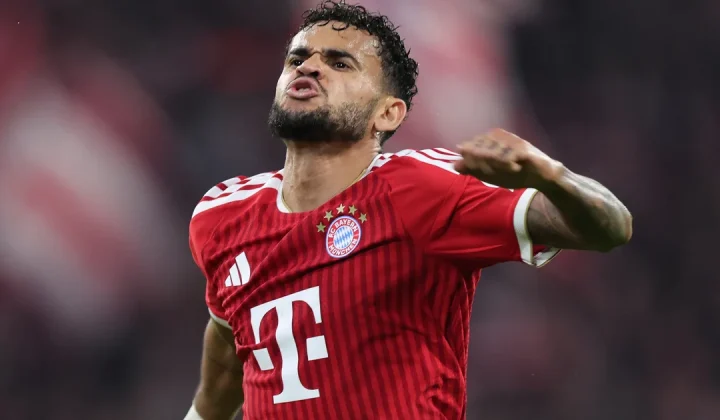
Luis Díaz Hat-Trick Powers Bayern Munich to 6-1 Rout of RB Leipzig
The Colombian winger scored a brilliant hat-trick and added an assist as Bayern Munich thrashed RB Leipzig 6-1, ending a slow start…
Read story
Bruno Fernandes Contract Talks Underway as Man United Face Key Summer Decisions
Manchester United are in active discussions with captain Bruno Fernandes over a contract extension, according to reports, as the 32-year-old enters the…
Read story
Celtic’s Europa League struggles deepen as Benfica expose familiar flaws
A 4-1 defeat in Lisbon leaves Celtic with two losses from two Europa League group games. Martin O’Neill sees positives in the…
Read story
Borussia Dortmund Fall to Bodø/Glimt in Champions League Shock
Fredrik Sjøvold’s second-half strike gave the Norwegian side a 1-0 win over Niko Kovač’s Dortmund, who struggled to break down a disciplined…
Read story