
Why the Bundesliga Table Can Change So Quickly: High Tempo, Poor Finishing, and the Mid-Table Melee
Explore the dynamic nature of the Bundesliga table, where the high-octane attacking philosophy combined with streaks of poor finishing can lead to rapid shifts in team standings, especially in the competitive mid-table.
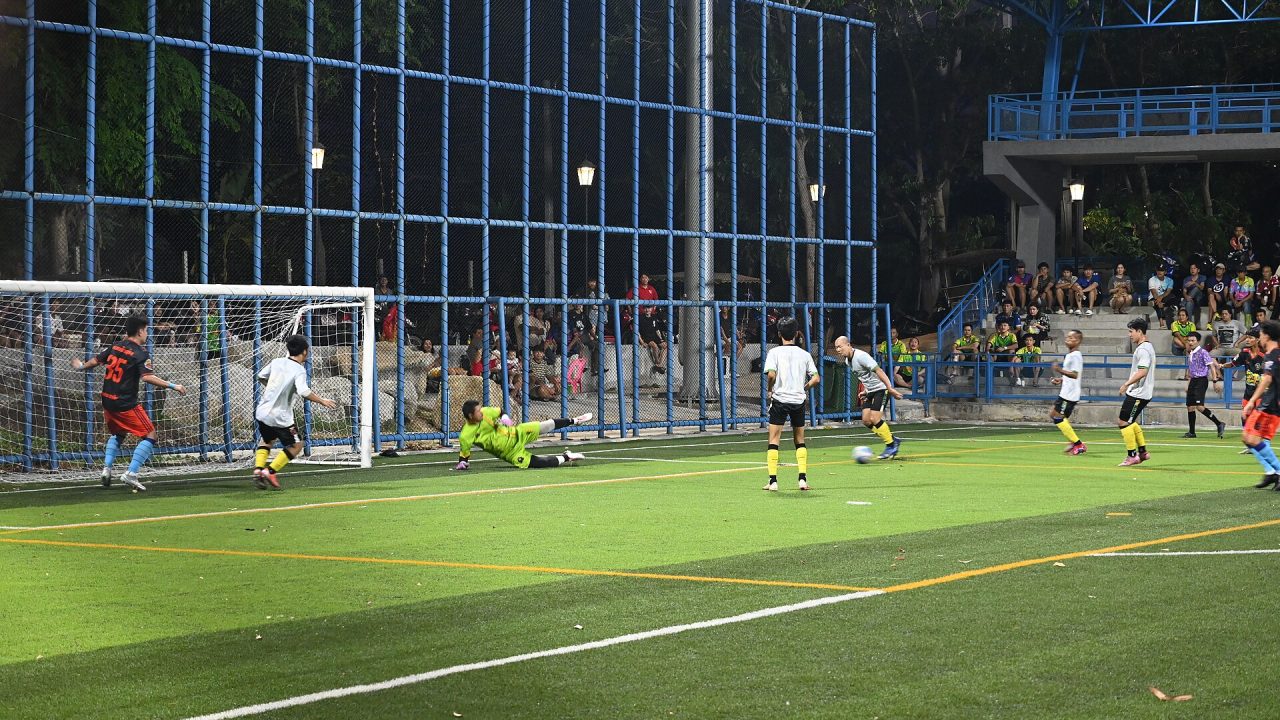
The Bundesliga is renowned globally for its electrifying pace, passionate fan bases, and a commitment to attacking football. Unlike some of Europe’s other top leagues, where defensive solidity often dictates the narrative, Germany’s top flight frequently delivers goal-laden thrillers and unpredictable outcomes. This inherent dynamism is a significant factor in why the Bundesliga table can change so quickly, particularly when high-tempo teams encounter periods of poor finishing.
It’s a phenomenon that keeps fans on the edge of their seats and analysts poring over statistics. A few weeks of profligacy in front of goal can send a team plummeting down the standings, while a sudden upturn in clinicality can propel another rapidly upwards. This article will explore the tactical underpinnings, statistical realities, and the competitive landscape that contribute to this fascinating characteristic of German football.
The Bundesliga’s High-Tempo Philosophy
At the heart of the Bundesliga’s volatile table lies its distinctive tactical approach. Many German clubs, from the traditional giants to ambitious mid-table outfits, embrace a high-intensity, vertical style of play. This often involves:
- Gegenpressing: Coined and perfected in Germany, this tactic involves immediately pressing the opponent after losing possession, aiming to win the ball back high up the pitch. This creates numerous transitions and fast-break opportunities.
- Rapid Transitions: When possession is regained, teams often look to move the ball forward quickly, bypassing the midfield to unleash attackers on goal. This leads to a high volume of shots and attacking sequences.
- Emphasis on Wide Play and Overlaps: Full-backs and wingers are crucial in stretching defenses, delivering crosses, and creating numerical advantages in attacking areas.
- High Defensive Lines: To facilitate pressing and maintain compactness, many Bundesliga teams play with a relatively high defensive line, which can be exploited by opposing teams with pace.
This collective philosophy results in matches that are often open, end-to-end affairs with numerous goal-scoring chances at both ends. The sheer volume of attacking actions inherently means more opportunities to score, but also more opportunities to miss.
The Impact of Poor Finishing
While the high-tempo approach generates chances, it’s the conversion rate of these chances that often dictates a team’s short-term fortunes and, consequently, their league position. Poor finishing isn’t just about a striker missing an open goal; it encompasses a broader range of inefficiencies:
- Shot Selection: Taking low-percentage shots from outside the box rather than working the ball into better positions.
- Clinicality in the Box: Failing to convert clear-cut chances (Big Chances Missed, as per Opta definitions) from within the penalty area.
- Decision-Making: Choosing to shoot when a pass to a better-placed teammate might be more effective, or vice-versa.
- Mental Aspect: A lack of confidence can lead to rushed efforts or overthinking in crucial moments.
When a team consistently creates 15-20 chances per game but only converts one or two, they are effectively leaving points on the table. Over a stretch of 3-5 games, this can see a team that was challenging for European spots suddenly find themselves battling in the bottom half of the top ten or even lower. Conversely, a team that was struggling but maintains their creative output can quickly climb when their finishing improves, even marginally.
The Competitive Mid-Table Melee
The Bundesliga’s competitiveness, particularly outside the very top two or three clubs, amplifies the effect of finishing streaks. The gap in quality between teams from, say, 4th to 12th place is often incredibly narrow.
Consider the points difference in recent seasons. It’s not uncommon for just a few points to separate multiple teams in the mid-table. This means:
- Small Margins, Big Swings: A single win or loss can often translate to a jump or drop of several places.
- “Six-Pointers”: Matches between direct rivals carry immense weight. A win not only earns three points but denies them to a competitor, effectively a six-point swing in the standings.
- Psychological Impact: A run of poor finishing can dent team morale, leading to a downward spiral, while a couple of clinical wins can inject confidence and build momentum.
Statistical Insights: Expected Goals (xG) and Finishing Efficiency
Advanced metrics like Expected Goals (xG) offer a deeper understanding of this phenomenon. xG measures the quality of a shot based on factors like shot location, body part, and type of assist.
When a team consistently outperforms their xG (scoring more goals than their xG suggests they should), they are considered “overperforming” their finishing. While this can be attributed to clinical strikers, it’s often unsustainable over long periods. Conversely, a team “underperforming” their xG (scoring fewer goals than expected) indicates poor finishing.
Here’s an example of how xG can highlight finishing efficiency:
| Team | Games Played | Goals Scored | Expected Goals (xG) | Finishing Efficiency (Goals – xG) |
|---|---|---|---|---|
| Team A (High) | 10 | 22 | 5 | +4.5 |
| Team B (Avg) | 10 | 15 | 0 | +0.0 |
| Team C (Low) | 10 | 12 | 8 | -4.8 |
| Team D (Low) | 10 | 10 | 2 | -4.2 |
Hypothetical data for illustrative purposes.
Team C and Team D, despite generating a respectable number of chances (as indicated by their xG), are significantly underperforming in front of goal. Over a few matchdays, this deficiency would almost certainly see them drop down the Bundesliga table, regardless of their high-tempo, chance-creating play. If they were to suddenly improve their finishing to match their xG, they could expect to score 4-5 more goals over this period, potentially converting draws into wins or losses into draws, and thus rapidly improving their standing.
Why This Matters for Fans and Analysts
For the casual fan, understanding this dynamic adds another layer of appreciation to the Bundesliga’s excitement. It explains why a team that looked strong last week might suddenly struggle, and why seemingly “underperforming” teams might still be creating plenty of chances, signaling a potential turnaround.
For analysts and those interested in football predictions, this insight is crucial. Simply looking at goals scored or conceded can be misleading. A deeper dive into xG, shots on target ratios, and big chances created vs. missed provides a more accurate picture of a team’s underlying performance and whether their current league position is sustainable or ripe for change.
The Role of Goalkeeping and Defensive Errors
It’s also worth noting that while offensive finishing is key, defensive lapses and goalkeeping form can equally contribute to rapid table shifts. A high-tempo league means more attacking pressure, which can lead to more individual errors. A goalkeeper hitting a patch of poor form, or a defense prone to individual mistakes, can concede goals against the run of play, costing points even when the attack is firing. However, the sheer volume of attacking actions means that finishing efficiency often has a more pronounced effect on cumulative points.
Actionable Takeaways for the Reader
Look Beyond the Scoreline: A 3-0 loss might not always mean a poor performance. Check the xG battle to see if the losing team created numerous chances but failed to convert.
2. Monitor Form Streaks: Pay attention not just to wins and losses, but to goal-scoring patterns. Is a team consistently creating but not scoring? They might be due for a positive regression.
3. Mid-Table is Volatile: Don’t write off teams in the middle of the table. A couple of good results or improved finishing can quickly propel them into European contention.
4. Tactical Appreciation: Appreciate the demanding nature of high-tempo football. It’s exciting but also inherently prone to variance in outcomes due to the sheer number of attacking exchanges.
The Bundesliga’s commitment to exhilarating, high-octane football ensures it remains one of the most entertaining leagues to watch. Its quickly changing table is not just a statistical anomaly but a direct consequence of this tactical philosophy, where the fine margins of finishing efficiency can make all the difference in a highly competitive environment.
Related news

Brazil Wins CONMEBOL Futsal North Zone, Sets Up Final Against Argentina
Brazil topped the North Zone standings in the CONMEBOL Liga Evolución Futsal 2026 after sweeping Venezuela in the final round. Colombia finished…
Read story
Lazio Soar Clear at Serie A Summit as Roma Stumble, Inter Face Fiorentina Test
Lazio stretched their lead at the top of Serie A to three points after a 2-1 win over Parma, capitalizing on Roma's…
Read story
FIFA Marks 100 Days Since Lautaro Martinez’s World Cup Semi-Final Winner Against England with Spider-Cam Tribute
FIFA released a spider-cam video of Lautaro Martinez’s winning goal against England in the 2026 World Cup semi-final, exactly 100 days after…
Read story
Premier League Weekend Preview: Dowman Chance, Spurs-Chelsea Balance, Disasi Redemption
Arsenal teenager Max Dowman could feature after Bukayo Saka’s injury, Roberto De Zerbi seeks balance at Stamford Bridge, and Axel Disasi looks…
Read story