
How to Verify Football News: A Reader’s Guide to Reliable Sources
Learn how to effectively verify football news and identify reliable sources to stay informed and avoid misinformation in the fast-paced world of football.

The world of football is a whirlwind of transfers, match results, injury updates, and tactical analyses. Every day, countless articles, social media posts, and broadcasts flood our screens, offering the latest insights and breaking news. But in this fast-paced environment, how can you discern fact from fiction? How do you know if the “breaking transfer news” is genuine or just a rumour? This guide will equip you with the tools to effectively verify football news, ensuring you rely on credible information and avoid the pitfalls of misinformation.
The Importance of Source Verification
In an age where information spreads instantaneously, the ability to critically assess sources is more crucial than ever. Misinformation in football can have various impacts: it can mislead fans, create unnecessary panic around a club, unfairly tarnish a player’s reputation, or even influence betting markets. Understanding how to verify football news empowers you to make informed opinions, engage in meaningful discussions, and support your favourite teams with accurate knowledge.
Understanding Different Types of Football Sources
Not all sources are created equal. Broadly, football news sources can be categorised by their proximity to the information and their editorial intentions.
Official Sources: These are primary sources directly involved with the football entity in question. They are the most reliable for factual announcements.
* Club Websites and Official Social Media Channels: For player transfers, injury updates, managerial changes, or official club statements.
* League Websites (e.g., Premier League, La Liga, Serie A): For official fixtures, results, tables, disciplinary actions, and competition rules.
National Federations (e.g., The FA, DFB, FFF): For national team news, domestic cup competitions, and youth development.
Continental Confederations (e.g., UEFA, CONMEBOL, CAF): For continental club competitions (Champions League, Copa Libertadores) and international tournaments.
* FIFA: For global football governance, international match calendars, and World Cup information.
Reputable Media Outlets: These are established news organisations with a track record of journalistic integrity and extensive networks of reporters. They often have dedicated sports desks with specialist football journalists.
Global News Agencies (e.g., Reuters, Associated Press): Known for their factual, unbiased reporting and wide reach.
Major Sports Broadcasters (e.g., Sky Sports, ESPN, BBC Sport): Often have exclusive interviews, in-depth analysis, and breaking news from their on-the-ground reporters.
* Respected National Newspapers/Magazines (e.g., The Athletic, The Guardian, L’Equipe, Kicker): Known for investigative journalism, detailed match reports, and expert columns.
Specialist Football News Sites/Blogs: These vary widely in credibility. Some are highly respected for their niche expertise, while others are rumour mills.
Examples of highly respected sites often focused on specific leagues or analytical content.
Caution: Many blogs and fan sites, while passionate, may not adhere to journalistic standards and can spread unverified information.
Social Media (Individual Accounts): This is a double-edged sword. While official club and journalist accounts are valuable, individual “insiders” or unverified accounts are often sources of speculation.
* Verified Journalists: Look for blue ticks on platforms like X (formerly Twitter) for journalists known for breaking news. Cross-reference their claims with their employer’s official reporting.
* Unverified Accounts: Approach with extreme skepticism. “ITK” (In The Know) accounts often have a mixed record of accuracy.
A Practical Workflow for Checking Football News
When you encounter breaking football news, especially something significant like a major transfer or an unexpected announcement, follow these steps to verify its authenticity:
Identify the Source: Who is reporting this news? Is it an official club statement, a well-known journalist from a reputable outlet, or an anonymous social media account? The source’s credibility is your first clue.
Check for Official Confirmation: For critical news, especially transfers or injuries, the first place to look is the official club website or their verified social media channels. If it’s not there, it’s not confirmed. For league or competition news, check the respective official websites.
Cross-Reference with Multiple Reputable Outlets: Does the same story appear on several different major news outlets (e.g., BBC Sport, Sky Sports, The Athletic)? If multiple independent, reputable sources are reporting the same information, its likelihood of being true increases significantly. Be wary if only one obscure source is reporting a major story.
Examine the Language and Tone:
Official Sources: Use formal, factual language.
* Reputable Journalists: Often use phrases like “reportedly,” “understood to be,” “sources suggest” when the information isn’t 100% confirmed, indicating a degree of uncertainty.
* Unreliable Sources: May use sensationalist headlines, definitive language without evidence, or emotionally charged words.
Look for Evidence or Attributed Quotes: Does the article cite specific sources (e.g., “a club spokesperson said,” “according to sources close to the player”)? Or does it rely on vague “sources” or “reports”? Quoted individuals or documents lend more weight to a story.
Consider the Date and Context: Is the news current? Sometimes old news resurfaces and is presented as new. Also, consider the context – does the news make logical sense given current events, club statements, or player situations?
Be Wary of Clickbait and Speculation: Many articles are designed to attract clicks, often with exaggerated headlines or by presenting speculation as fact. If a headline feels too good to be true, it often is.
Quick Checklist for News Verification
This table provides a quick reference for assessing the reliability of a football news item.
| Factor | Highly Reliable | Moderately Reliable | Low Reliability |
|---|---|---|---|
| Source Type | Official Club/League/FIFA | Major Sports Media (BBC, Sky) | Unverified Social Media, Blogs |
| Confirmation | Official statement present | Multiple credible outlets report | Only one obscure source reports |
| Language Used | Factual, specific, formal | “Reportedly,” “understood to be” | Sensationalist, definitive, vague |
| Evidence Provided | Direct quotes, documents | Attributed sources (unnamed) | No sources, “rumours suggest” |
| Consistency | Consistent across official/major sites | Some variation, but core fact consistent | Contradictory reports, easily debunked |
Actionable Takeaways for Readers
- Prioritise Official Channels: For critical announcements, always check the official websites and social media channels of the clubs, leagues, or governing bodies first.
- Cultivate a List of Trusted Journalists/Outlets: Identify a few reputable football journalists and news organisations known for their accuracy. Follow them, but still apply critical thinking to their reports.
- Question Everything: Don’t take any news at face value, especially if it seems extraordinary. A healthy dose of skepticism is your best defence against misinformation.
- Understand the Difference Between Reporting and Speculation: Reputable journalists will often distinguish between confirmed facts and informed speculation. Be aware of this difference.
- Avoid Sharing Unverified News: Before you hit that share button, take a moment to verify the information. You play a role in slowing the spread of misinformation.
By adopting these practices, you can navigate the complex landscape of football news with confidence. You’ll be better equipped to distinguish between genuine insights and mere conjecture, becoming a more informed and discerning football fan.
Related news
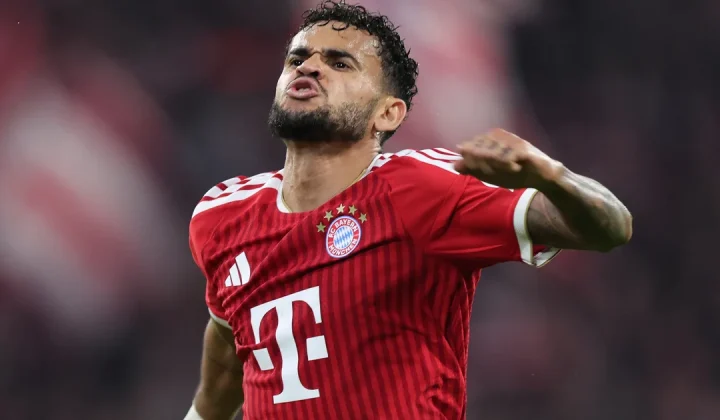
Luis Díaz Hat-Trick Powers Bayern Munich to 6-1 Rout of RB Leipzig
The Colombian winger scored a brilliant hat-trick and added an assist as Bayern Munich thrashed RB Leipzig 6-1, ending a slow start…
Read story
Bruno Fernandes Contract Talks Underway as Man United Face Key Summer Decisions
Manchester United are in active discussions with captain Bruno Fernandes over a contract extension, according to reports, as the 32-year-old enters the…
Read story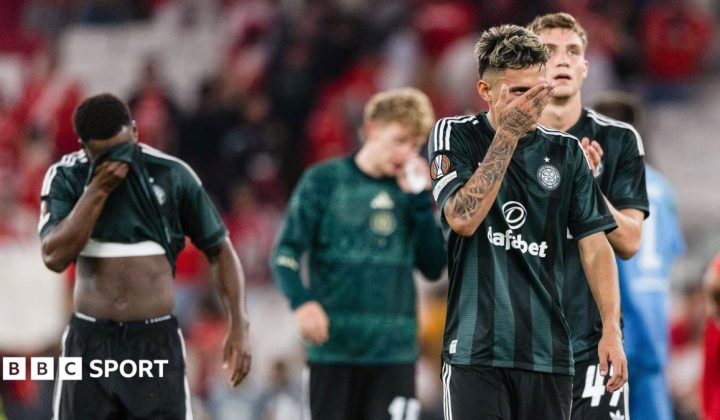
Celtic’s Europa League struggles deepen as Benfica expose familiar flaws
A 4-1 defeat in Lisbon leaves Celtic with two losses from two Europa League group games. Martin O’Neill sees positives in the…
Read story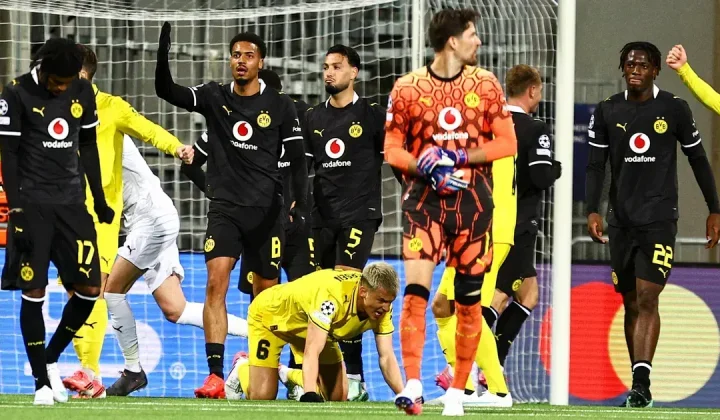
Borussia Dortmund Fall to Bodø/Glimt in Champions League Shock
Fredrik Sjøvold’s second-half strike gave the Norwegian side a 1-0 win over Niko Kovač’s Dortmund, who struggled to break down a disciplined…
Read story