
Dutch Parliament Considers Ending Automatic Paternal Surname for Children in Disputes
Lawmakers are set to vote on a proposal to end the default practice of children automatically receiving their father's surname when parents disagree, aiming for greater parental equality.
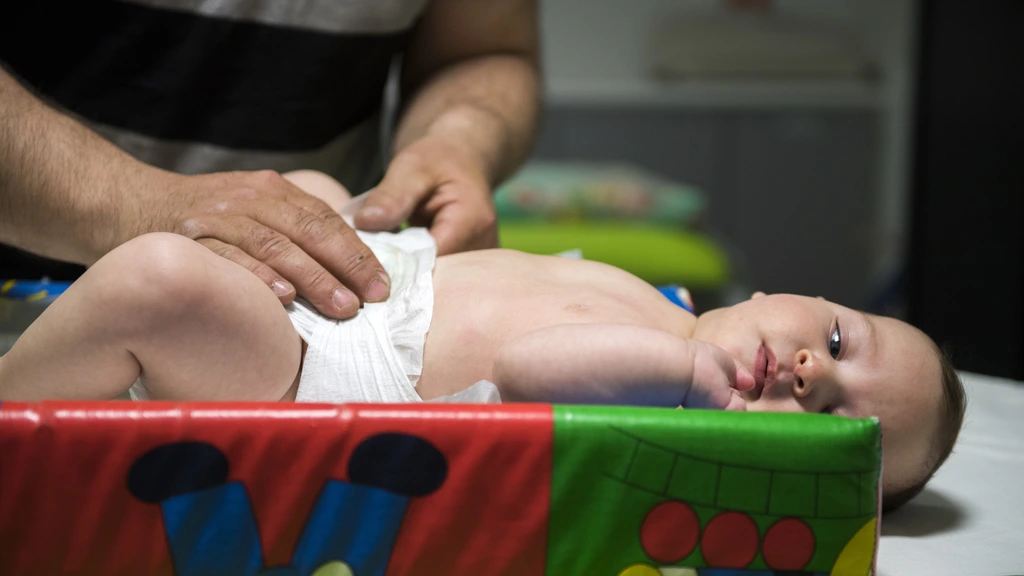
The Dutch Parliament is on the verge of a significant change to family law, with a proposal that would end the automatic assignment of a father’s surname to a child when parents cannot agree on a name. This move, spearheaded by GroenLinks-PvdA and D66, is expected to gain majority support from parties including the VVD, CDA, and JA21.
Current “fallback norm”
The current system, known as the ‘vangnet-norm’ (fallback norm), dictates that a child automatically receives the father’s surname if parents cannot reach an agreement. This practice stems from historical traditions where children born within a marriage typically took the father’s name. However, proponents of the change argue that this is outdated and does not reflect modern views on parental equality.
A shift towards equality
The proposal aims to replace this automatic system with a regulation that emphasizes equal rights for both parents. One suggested alternative is for children to receive a combined, double-barrelled surname, with the parents’ names listed in alphabetical order. Currently, using the mother’s name, even in combination, requires explicit consent from both parents. This is seen by lawmakers like Mutluer (GroenLinks-PvdA) and Sneller (D66) as an outdated provision.
Parliamentary debate and expected support
A motion reflecting these proposed changes is scheduled for a vote in the Tweede Kamer (House of Representatives) today. The VVD, CDA, and JA21 have indicated positive stances on the proposal, with their weekly faction meetings expected to confirm their support for the motion.
“The current fallback norm does not align with contemporary views on equality between parents,” stated Mutluer and Sneller. They further highlighted that the existing regulation can potentially be misused to exert pressure on a partner in situations involving coercion or intimate partner violence.
Concerns of advocacy groups
The Bureau Clara Wichmann, an organization dedicated to women’s rights, has also voiced support for the proposed changes. While acknowledging the progress made since 2024, allowing for combined surnames, the bureau points out that mothers can still be disadvantaged by the current law.
The requirement for both parents’ consent for a combined surname often leads to impasses when parents are separated. In such scenarios, a father might withhold consent for a double-barrelled name as leverage to gain concessions from his ex-partner. GroenLinks-PvdA and D66 are therefore advocating for the establishment of a dispute resolution mechanism to address these situations. Last year, approximately one hundred women contacted Clara Wichmann reporting difficulties with ex-partners refusing to consent to a combined surname.
The First Chamber of the Dutch Parliament has also previously approved legislation allowing parents to give their children, including newborns and younger children, a double-barrelled surname.
Datos clave
| Aspect | Detail |
|—|—|
| Current practice | Automatic paternal surname (‘vangnet-norm’) in case of parental disagreement. |
| Proposed change | Replace automatic naming with a system promoting parental equality, potentially a double-barrelled surname. |
| Key proponents | GroenLinks-PvdA, D66. |
| Expected supporting parties | VVD, CDA, JA21. |
| Rationale | Modernize family law, ensure parental equality, prevent misuse of surname decisions. |
This legislative development is significant for FootballGames10 readers in the Netherlands as it directly impacts family law and the rights of parents and children. While not directly about football, it touches upon societal norms that influence family structures, which are a fundamental aspect of any community. Changes in parental rights and surname regulations can have long-term implications for families, reflecting evolving societal values.
Fuente: NOS https://nos.nl/l/2616778
Datos clave
| Punto | Detalle |
|---|---|
| Fuente | NOS Voetbal |
| Fecha | 2026-06-02T04:33:06+00:00 |
| Tema | Kamer: geef kind niet meer automatisch achternaam vader bij onenigheid |
Source
NOS Voetbal Original publication: 2026-06-02T04:33:06+00:00
Related news

Jaguares Snatch Dramatic 3-2 Win Over Tolima in Liga BetPlay Relegation Battle
Darwin López scored a 92nd-minute winner as Jaguares de Montería secured only their second victory of the Liga BetPlay 2026-II season, defeating…
Read story
San Lorenzo Seek First Win Under Insua as Riestra Visit in Tense Clausura Clash
Ruben Dario Insua makes several changes to his San Lorenzo lineup as the club seeks its first victory of his third tenure,…
Read story
Premier League Predictions: Man United vs Tottenham, Arsenal vs Leeds Headline Saturday’s Fixtures
Sports Mole's roundup of Saturday's Premier League gameweek six predictions, including Manchester United vs Tottenham Hotspur at Old Trafford and Arsenal vs…
Read story
One Injured in Marble Hill Shooting; No Football Disruption Confirmed
A person was hospitalized after a shooting reportedly involving federal agents in New York’s Marble Hill neighborhood. The initial account identifies no…
Read story