
Time-Wasting Concerns Mount Ahead of Summer World Cup
Football's ongoing battle with time-wasting is reaching a critical point ahead of the upcoming World Cup, with new rules and ongoing research highlighting the impact on ball-in-play time and fan enjoyment.
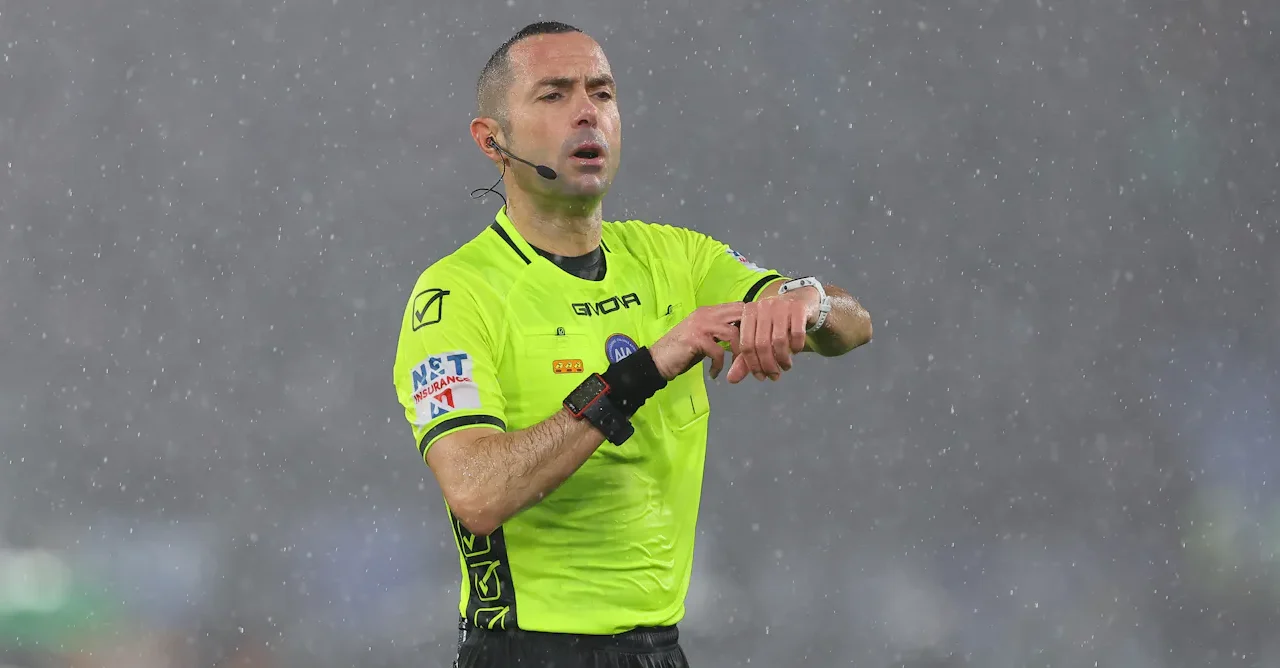
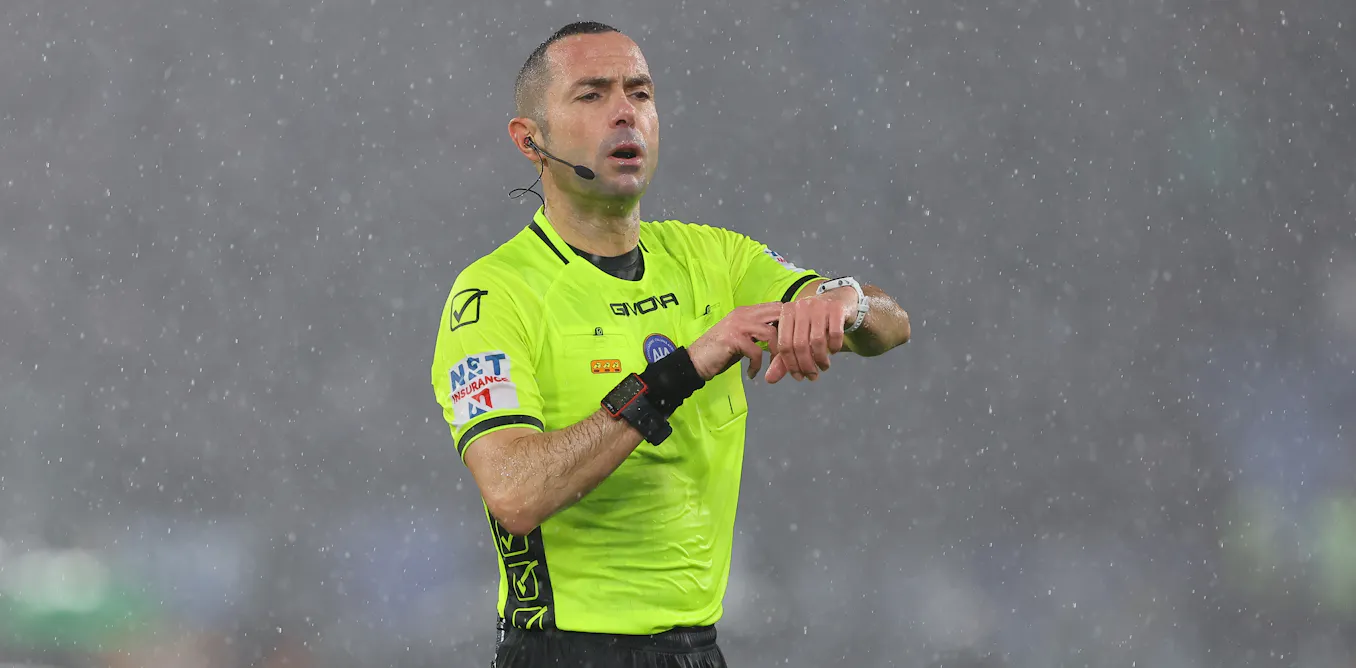
Concerns over excessive time-wasting in football are escalating as the summer World Cup approaches, prompting football’s governing bodies to introduce new measures aimed at increasing effective playing time. The issue, which sees the ball in play for a decreasing proportion of matches, is drawing criticism from fans, broadcasters, and coaches alike.
The Premier League, for instance, has recorded near-record lows in ball-in-play time this season. FIFA’s target of 60 minutes of active play per game is often missed, with some Premier League fixtures seeing just over 45 minutes of actual action – less than half the total match duration. This trend is attributed to various factors, including prolonged stoppages for corners, throw-ins, free-kicks, and frequent injury breaks, some of which are suspected of being feigned.
Impact of VAR and Referee Discretion
The introduction of the Video Assistant Referee (VAR) system has also contributed to increased stoppage time. VAR reviews, particularly for penalties, red cards, and goals, lead to lengthy interruptions. Research suggests that these stoppages are not always fully accounted for in the added time at the end of each half, creating inconsistencies in match duration.
A study published in the Journal of Sports Economics indicates that referee decisions on added time can be influenced by unconscious biases, often benefiting home teams due to crowd pressure. This was particularly evident during the COVID-19 pandemic when matches played without fans showed referees were less susceptible to social pressure for subjective calls like yellow cards and added time.
Datos clave
| Metric | Detail |
|---|---|
| FIFA Ball-in-Play Target | 60 minutes per game |
| Premier League Ball-in-Play | Near-record low this season; some matches under 45 minutes |
| 2022 World Cup Added Time | Increased significantly, aiming for 60-minute target but leading to longer games |
| New Rules for Summer World Cup | Five-second countdowns for throw-ins/goal-kicks; ten-second limit for substituted players to leave the field |
New Rules for the World Cup
In response to these mounting concerns, new rules are set to be implemented for the upcoming World Cup in North America. These include five-second countdowns for throw-ins and goal-kicks, and potential sanctions for substituted players who take longer than ten seconds to leave the field. These changes aim to streamline play and reduce unnecessary delays.
However, the aforementioned research suggests that rule-tightening alone may not fully resolve the problem. The psychological pressure on referees from players, team officials, and fans plays a significant role in how time is managed and added. The 2022 World Cup saw FIFA extend added time significantly to meet the 60-minute target, resulting in games that felt exceptionally long.
Analysis of 2022 World Cup and 2024 European Championship data revealed inconsistencies in how referees applied added time between the first and second halves. Despite identical rules, substantially more time was added in the second half, especially in tight contests, potentially influencing outcomes as goal-scoring rates generally increase towards the end of matches.
The Debate Over Stop-Clock Football
The ongoing debate raises the question of whether football should adopt a stop-clock system, similar to basketball, American football, and rugby, where the clock pauses during interruptions. While this might seem like an obvious solution to ensure precise timekeeping, experts warn it could fundamentally alter the nature of football. Matches could become even longer, interruptions might multiply, and the continuous flow that defines the game’s rhythm and tension could be lost. There are also concerns about the potential for television commercial windows to influence match duration under such a system.
Ultimately, added time underscores the human element in football, where perfect measurement is elusive, and referee decisions are inherently charged with uncertainty. Despite the challenges, governing bodies are right to address time-wasting, as the pace and uninterrupted flow are vital attractions of the beautiful game.
Fuente: The Conversation – https://theconversation.com/football-is-being-spoiled-by-time-wasting-what-can-be-done-ahead-of-the-world-cup-280501
Source
theconversation.com Original publication: 2026-04-14T10:18:34+00:00
Related news
Harry Kane equals Peter Shilton’s England caps record with two goals in Nations League win over Czechia
Harry Kane scored twice on the night he equalled Peter Shilton’s all-time England appearance record, leading the Three Lions to a 3-0…
Read story
Jesse Marsch says Canada “not afraid” as USMNT friendly intensifies rivalry
Canada coach Jesse Marsch has welcomed the pressure of facing the United States, stating his team is “not afraid” as the two…
Read story
Scotland vs Slovenia: Nations League Group B1 Clash at Hampden Park
Scotland and Slovenia meet at Hampden Park in a pivotal Nations League Group B1 encounter, with both sides level on four points…
Read story
Padres Turn to Robbie Ray for NLDS Game 1 Start as Walker Buehler Goes on Paternity List
San Diego Padres manager Craig Stammen named Robbie Ray the starter for Game 1 of the NL Division Series against Milwaukee after…
Read story