
FIFA’s New Women’s Coaching Rule: Progress or Symbolic Gesture?
FIFA's new mandate requiring at least one female head coach or assistant in women's competitions aims to boost representation, but experts question if it addresses deeper structural inequalities within football.
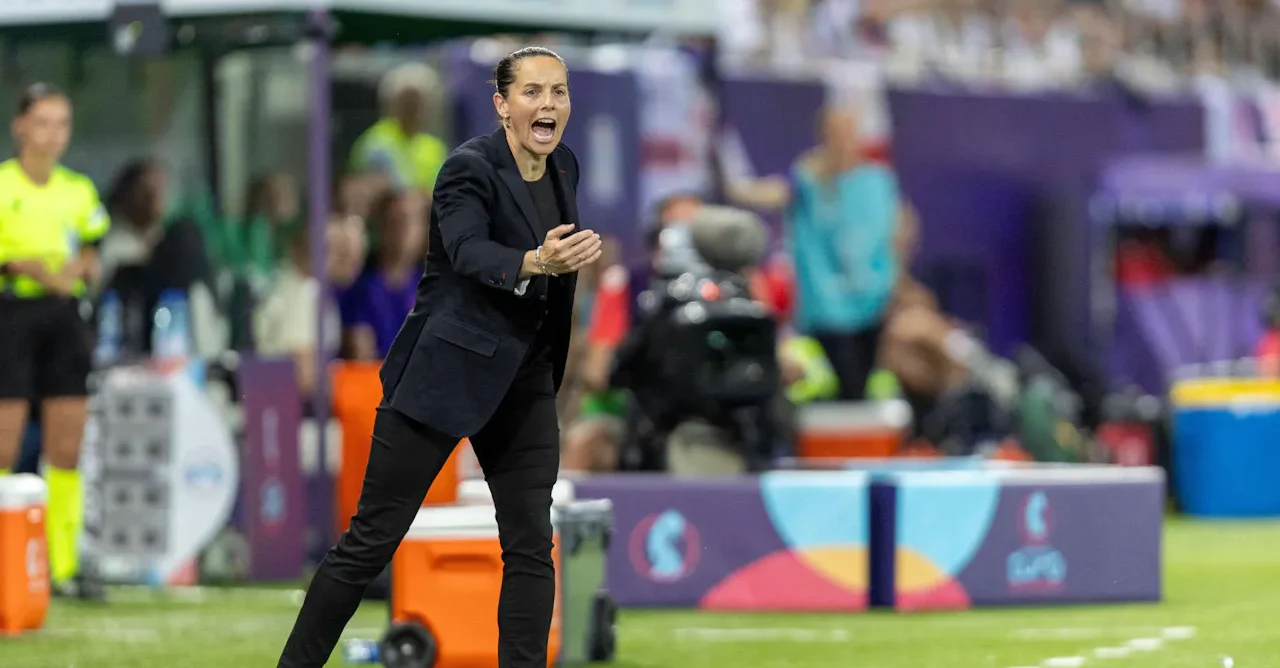
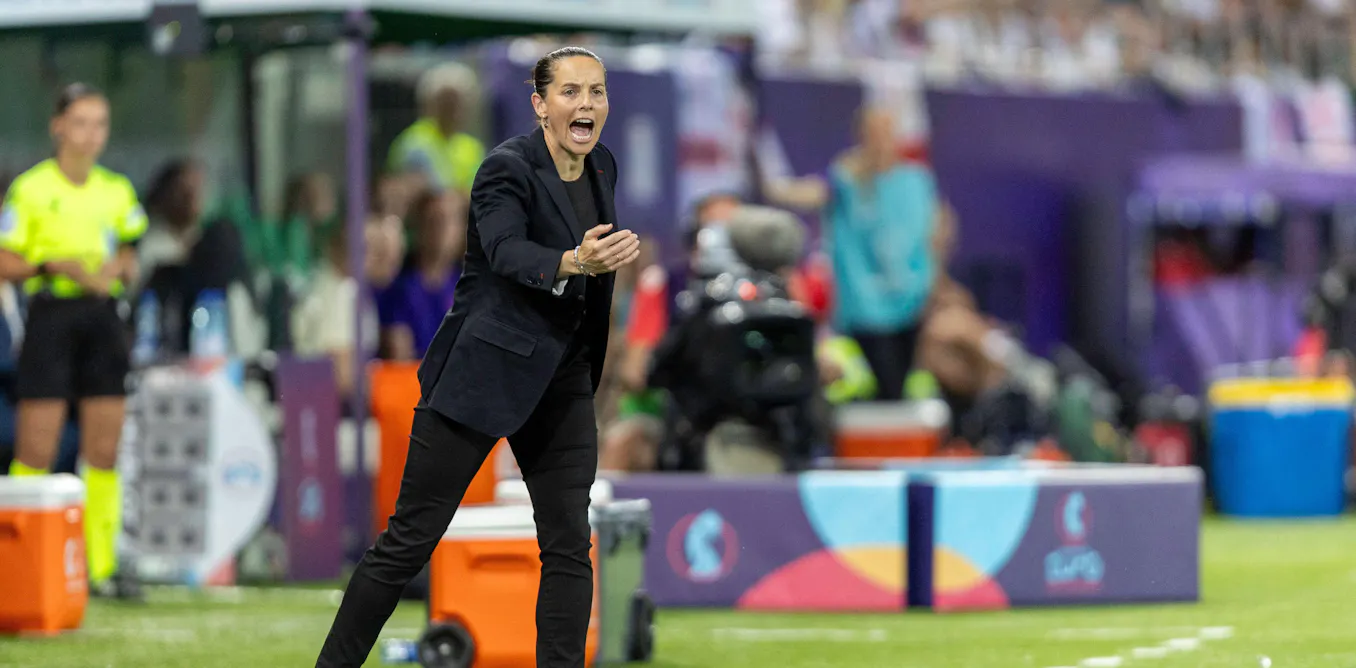
FIFA has introduced a new directive mandating that every team participating in its women’s competitions must include at least one female head coach or assistant. This rule will be implemented across all women’s tournaments, from youth to senior levels, starting this year with the U17 and U20 World Cups and the Women’s Champions Cup. While seen by many as a significant step towards greater representation, some observers are questioning whether this policy goes far enough to address systemic issues within football’s coaching structures.
A Landmark Decision with Nuance
On the surface, the new rule appears to be a landmark moment for women’s football. In a sport where technical areas remain predominantly male, the symbolism of requiring female coaches is powerful. The move comes after years of slow progress, with only 12 out of 32 head coaches at the 2023 Women’s World Cup being women. In some national associations, female coaches constitute as little as 5% of the total coaching workforce, highlighting a persistent imbalance. FIFA’s intervention is seen by many as an admission that organic change has not been sufficient.
Datos clave
| Aspecto | Detalle |
|---|---|
| Nueva Regla FIFA | Exige al menos una mujer como entrenadora principal o asistente en todos los equipos de las competiciones femeninas de FIFA. |
| Ámbito de Aplicación | Desde torneos juveniles hasta competiciones senior, incluyendo la Copa Mundial Femenina Sub-17 y Sub-20, y la Women’s Champions Cup. |
| Contexto Actual | Solo 12 de 32 entrenadoras principales en la Copa Mundial Femenina de 2023; algunas asociaciones tienen tan solo un 5% de mujeres en roles de coaching. |
| Objetivo Declarado | Crear vías más claras, expandir oportunidades y aumentar la visibilidad de las mujeres en los banquillos. |
The “Women’s Game Only” Limitation
A key point of contention is that the policy applies exclusively to women’s competitions. This raises questions about FIFA’s broader commitment to gender equality in football. Critics argue that while it makes practical sense to apply the rule where the need is most visible, it inadvertently reinforces a pattern where gender inequality is framed as an issue for women’s sport alone. The men’s game, with its deeply entrenched coaching pathways, significant funding, and resistance to change, remains untouched by such mandates. This effectively places the burden of reform on the side of the sport with less power to drive widespread change.
Beyond Representation: Addressing Structural Issues
While increasing the number of women in coaching roles is crucial, experts warn that representation alone might not be enough. Research consistently shows that underrepresentation is often a symptom of deeper, embedded behavioral patterns within coaching cultures. Simply appointing more women without addressing these underlying issues risks leaving patriarchal structures intact. FIFA’s chief football officer, Jill Ellis, has stated the rule is designed to “create clearer pathways, expand opportunities, and increase visibility.” However, there’s a risk that female coaches might be perceived as fulfilling a quota rather than being appointed purely on merit, potentially undermining their authority and the policy’s aims.
The Challenge of Implementation
Another concern is the gap between training and elite international competition. While FIFA has invested in coach development, providing scholarship support to nearly 800 women since 2021, the infrastructure to support a rapid influx of female coaches into elite roles might not yet be fully developed. If exposure outpaces infrastructure, early difficulties could be misinterpreted as flaws in the policy itself, rather than challenges of systemic change. True transformation, it is argued, will come not just from mandates, but from comprehensive changes in coach education, hiring practices, mentoring networks, and grassroots development.
Looking Ahead
The new FIFA rule is undeniably a significant move, disrupting a long-standing status quo and promising visible effects, particularly at events like the 2027 World Cup. For FootballGames10 readers, this development signals a potential shift in the leadership landscape of women’s football, which could influence team dynamics, tactical approaches, and overall game development. However, genuine, lasting change will require more than just mandates; it demands a fundamental shift in how coaching is valued, taught, and practiced across all levels of football, ensuring that the presence of women in coaching becomes an expectation, not an exception or a requirement.
Fuente: theconversation.com – https://theconversation.com/a-seat-on-the-bench-isnt-enough-what-fifas-new-womens-football-rule-gets-right-and-wrong-279194
Source
theconversation.com Original publication: 2026-03-31T14:51:29+00:00
Related news
Harry Kane equals Peter Shilton’s England caps record with two goals in Nations League win over Czechia
Harry Kane scored twice on the night he equalled Peter Shilton’s all-time England appearance record, leading the Three Lions to a 3-0…
Read story
Jesse Marsch says Canada “not afraid” as USMNT friendly intensifies rivalry
Canada coach Jesse Marsch has welcomed the pressure of facing the United States, stating his team is “not afraid” as the two…
Read story
Scotland vs Slovenia: Nations League Group B1 Clash at Hampden Park
Scotland and Slovenia meet at Hampden Park in a pivotal Nations League Group B1 encounter, with both sides level on four points…
Read story
Padres Turn to Robbie Ray for NLDS Game 1 Start as Walker Buehler Goes on Paternity List
San Diego Padres manager Craig Stammen named Robbie Ray the starter for Game 1 of the NL Division Series against Milwaukee after…
Read story