
World Cup 2026: Mexico City Buzzes with Football Fever Amidst Protests
As Mexico City hosts the 2026 World Cup, the city is alive with football celebrations, but beneath the surface, activists and striking workers are using the global spotlight to highlight pressing social issues.
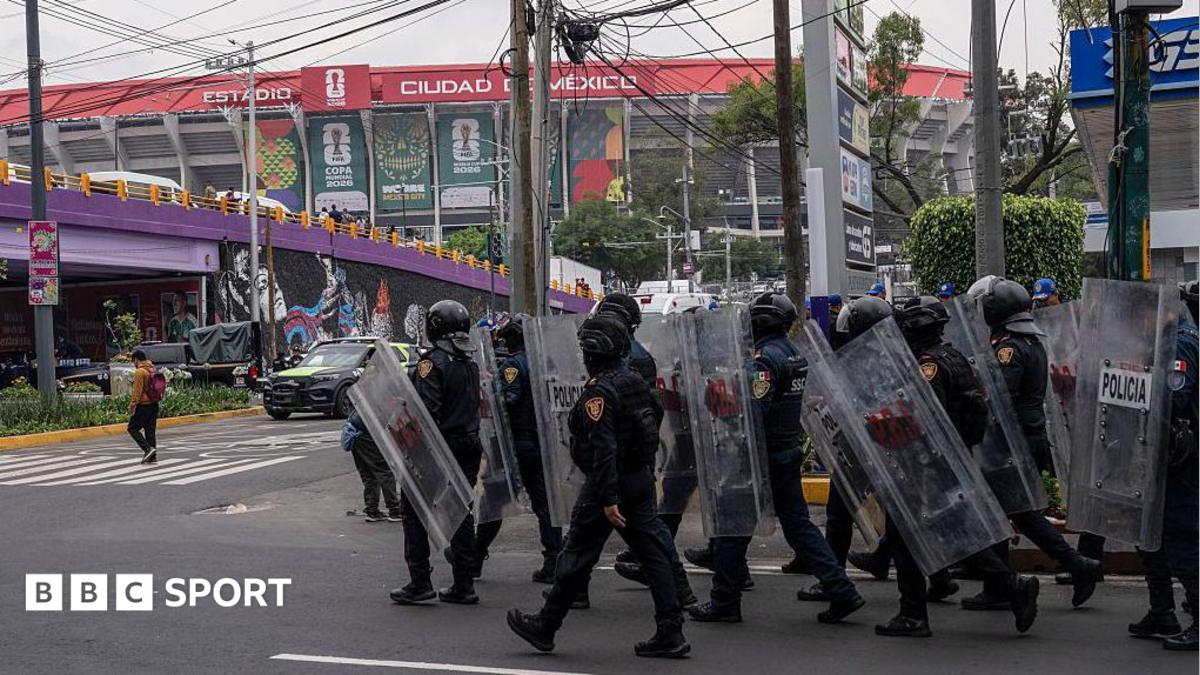
Mexico City is pulsating with the excitement of the 2026 World Cup, marking the third time the vibrant capital has hosted football’s premier global event. Streets are adorned with Mexican flags, fan zones are taking shape, and the air is thick with anticipation. However, this celebratory atmosphere is juxtaposed with significant social and political undercurrents, as various groups are leveraging the international attention to voice their concerns.
A Stark Reminder of Disappearances
One of the most prominent displays of dissent is occurring at the Angel of Independence, a key landmark in the city. Hundreds of portraits of missing people now cover the monument’s base. Volunteers are distributing leaflets in Spanish and English, bearing the poignant message: “WE ARE FAMILIES SEARCHING FOR MISSING PEOPLE.” They highlight the staggering figure of over 133,000 missing individuals in Mexico, a number described as more than one and a half times the capacity of the Azteca stadium. The campaign emphasizes that a busload of people is estimated to disappear daily, posing the question: “The cup came back home. When will our loved ones?” This initiative aims to bring global attention to Mexico’s ongoing disappearance crisis, which the United Nations has termed a “human tragedy of enormous proportions.”
Striking Teachers Demand Attention
Further along the Paseo de la Reforma, striking teachers have gathered to protest against their pay, pensions, and working conditions. Many have traveled significant distances to participate, joined in solidarity by other public-sector workers. To ensure their message resonates with international visitors, some protestors have translated their chants into English, clearly stating, “We don’t want a World Cup. We just want better pay.” They express that the tournament is perceived as catering to wealthy businessmen rather than local residents, with match tickets being prohibitively expensive for the average citizen.
A Platform for Dissent
For campaigners and activists, the World Cup presents an unparalleled opportunity to reach a global audience. The presence of international media in Mexico offers a platform to discuss issues that might otherwise remain within national borders. Former Mexico international Joaquin Beltran acknowledged the widespread public anger over government decisions, suggesting the World Cup could serve as a crucial space for dissatisfied citizens to make their voices heard. While hoping for a positive image of Mexico to be presented to the world, he also called for calmness during the tournament.
Fan Experience and Local Realities
While the city embraces the football spectacle, many residents find the prospect of attending matches financially out of reach. The common sentiment is that tickets are too expensive, leading many fans to plan their World Cup experience around local bars and fan zones. This highlights a divide between the glamour of the international event and the everyday realities faced by many in Mexico City.
Key facts
| Aspect | Detail |
|—|—|
| Event | 2026 FIFA World Cup |
| Host City | Mexico City |
| Protests | Disappearances, teachers’ pay and conditions |
| Campaign Message | “WE ARE FAMILIES SEARCHING FOR MISSING PEOPLE” |
| Stated Concern | High cost of World Cup tickets for local residents |
The World Cup’s arrival in Mexico City is a moment of immense national pride and global engagement. Yet, it also serves as a powerful stage for domestic issues to be aired internationally. The coming weeks will see the world’s attention focused on the matches, but the underlying social dialogues initiated by these protests will continue to resonate. The question remains whether the global spotlight will translate into lasting change once the final whistle blows.
Source: BBC Sport Football – World Cup fever meets protest in Mexico City https://www.bbc.com/sport/football/articles/cjrg4qxz7g4o
Datos clave
| Punto | Detalle |
|---|---|
| Fuente | BBC Sport Football |
| Fecha | 2026-06-11T06:38:38+00:00 |
| Tema | World Cup fever meets protest in Mexico City |
Source
BBC Sport Football Original publication: 2026-06-11T06:38:38+00:00
Related news
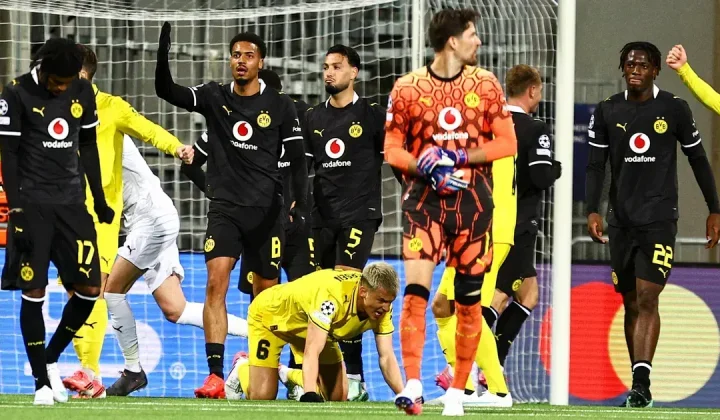
Borussia Dortmund Fall to Bodø/Glimt in Champions League Shock
Fredrik Sjøvold’s second-half strike gave the Norwegian side a 1-0 win over Niko Kovač’s Dortmund, who struggled to break down a disciplined…
Read story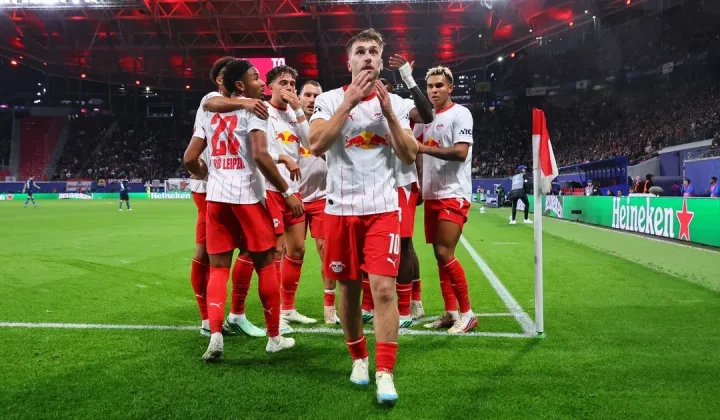
Brajan Gruda Strike Gives RB Leipzig 1-0 Champions League Win Over PSV
Brajan Gruda scored in the 75th minute after Maarten Vandevoordt saved an Ivan Perisic penalty as RB Leipzig defeated PSV Eindhoven 1-0.
Read story
Real Betis vs Porto: Champions League Clash Preview and Prediction
Real Betis host Porto in a crucial Champions League league-phase match. Preview includes team news, possible lineups, and analysis of both sides'…
Read story
Jaguares Snatch Dramatic 3-2 Win Over Tolima in Liga BetPlay Relegation Battle
Darwin López scored a 92nd-minute winner as Jaguares de Montería secured only their second victory of the Liga BetPlay 2026-II season, defeating…
Read story