
World Cup Hydration Breaks Reshape Football Tactics
Mid-game hydration breaks at the World Cup are becoming a significant tactical tool for coaches, altering game flow and providing opportunities for strategic adjustments.
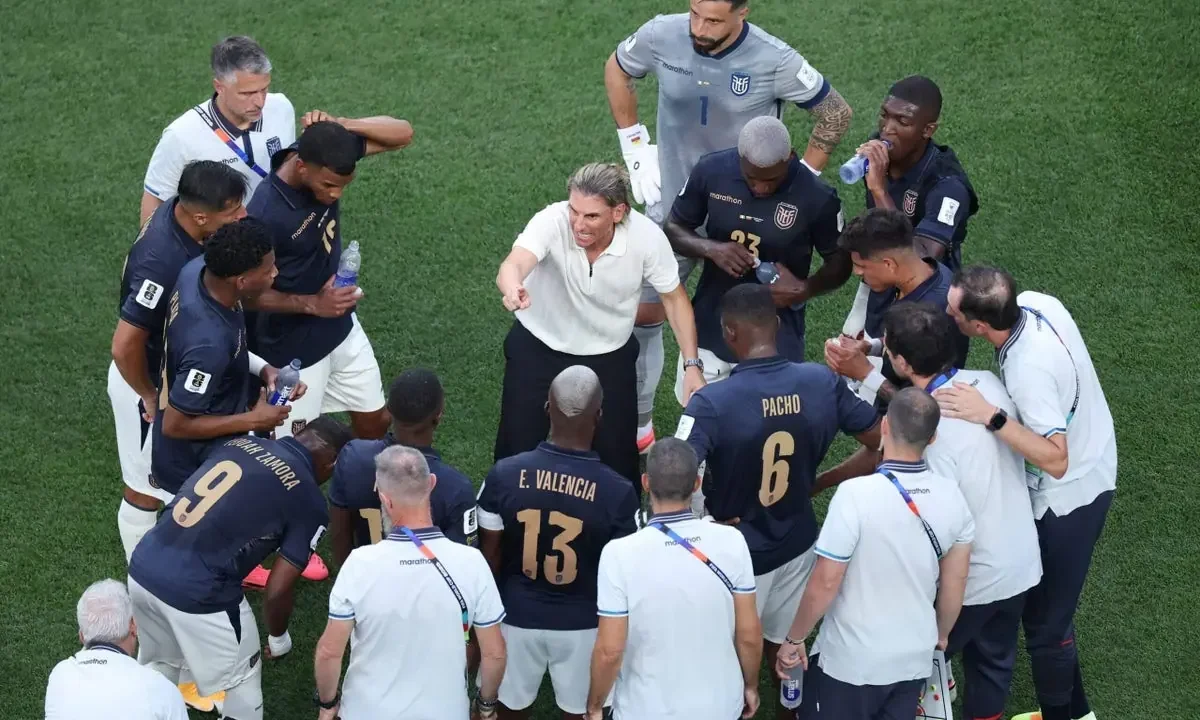
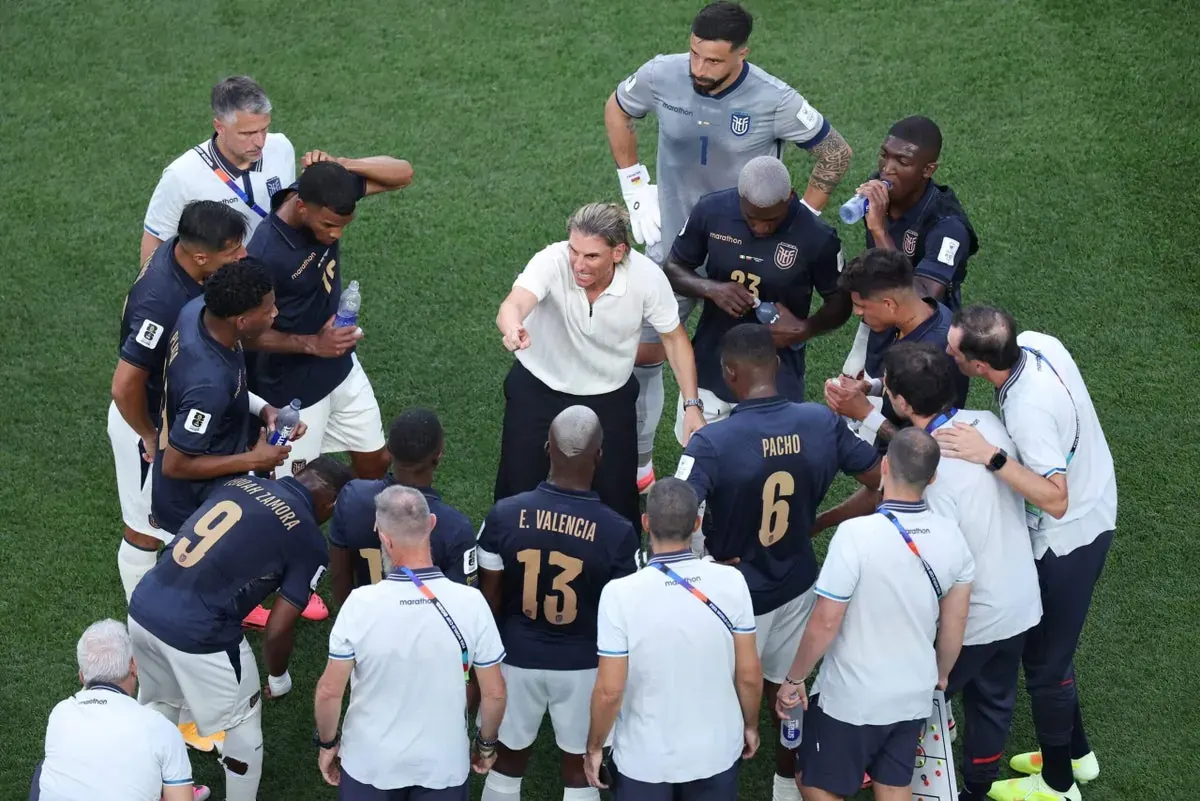
The mid-game hydration breaks, a fixture in the current World Cup, are proving to be more than just a measure for player welfare; they have emerged as a significant tactical advantage for coaches, fundamentally altering how matches are approached and managed. What was initially presented as a player safety initiative by FIFA has quickly become a strategic pause that coaches are actively leveraging to influence game dynamics.
Coaches are viewing these breaks as mini-halftimes, offering crucial windows to implement tactical changes, deliver instructions, and even surprise opponents with pre-planned substitutions. The three-minute intervals effectively splice the match into distinct quarters, providing an opportunity to disrupt momentum or solidify a team’s advantage.
Tactical Adjustments on the Fly
National team bosses are openly acknowledging the strategic benefit of these breaks. Didier Deschamps of France noted that their utility depends on the game’s flow, stating that a team with momentum might prefer not to have the game interrupted. Conversely, coaches find these pauses invaluable for making in-game adjustments. Roberto Martinez, Portugal’s head coach, highlighted that these three minutes allow for significant technical adjustments that can affect the outcome of the match.
Mauricio Pochettino, leading the U.S. team, has been seen using these breaks to show players video clips, mirroring half-time team talks in club football. This allows for visual reinforcement of tactical points, a method often requiring analysts to rush back to the changing rooms. In the World Cup, however, players remain on the field, bringing the tactical instruction directly to them.
Strategic Substitutions
A key tactic emerging from these breaks is the strategic use of substitutions. Coaches can bring on fresh players during the hydration break, potentially neutralizing any tactical discussions their opponents just had. Switzerland’s head coach, Murat Yakin, successfully employed this strategy in their match against Bosnia and Herzegovina. By introducing faster players during the break, Switzerland exploited gaps and secured a more comfortable 4-1 victory, with Yakin explaining that the opponent’s inability to react immediately to the changes provided a crucial edge. The match saw four substitute goals, a rarity, underscoring the impact of fresh legs introduced during these pauses.
Impact on Game Flow
The introduction of hydration breaks has also been linked to an increase in fast starts and a higher proportion of early goals in matches. This suggests that teams are preparing to play with higher intensity from the outset, knowing they have a built-in opportunity to regroup and adjust if needed. However, this also means that teams that start fast might be more susceptible to tactical shifts by their opponents during these breaks.
Lionel Scaloni, Argentina’s coach, initially suggested the breaks might favor weaker teams by giving them time to fix issues. He later refined this by acknowledging that stronger teams can equally use the time to make sophisticated corrections. The overall consensus is that these breaks add another layer of strategic complexity to the game, demanding greater adaptability from both players and coaching staff.
Key facts
| Aspect | Details |
|---|---|
| Purpose | Player welfare and tactical advantage for coaches |
| Duration | Approximately three minutes per break |
| Frequency | One break per half |
| Tactical Uses | In-game adjustments, video analysis, strategic substitutions |
| Impact on Game | Alters flow, potential for surprise tactics, increased early goals |
The integration of hydration breaks into World Cup matches signifies a notable evolution in football strategy. Coaches must now factor these pauses into their game plans, not just for player recovery but as active tools to influence outcomes. This shift highlights the increasing sophistication of tactical approaches in modern football and how even minor rule adjustments can have profound effects on the sport’s dynamics.
Source: The Athletic Football – World Cup ‘hydration breaks’ have changed how soccer is played – https://www.nytimes.com/athletic/7397303/2026/06/29/world-cup-hydration-breaks-soccer-tactics/
Source
The Athletic Football Original publication: 2026-06-29T04:10:11+00:00
Related news
Celtic’s Europa League struggles deepen as Benfica expose familiar flaws
A 4-1 defeat in Lisbon leaves Celtic with two losses from two Europa League group games. Martin O’Neill sees positives in the…
Read story
Borussia Dortmund Fall to Bodø/Glimt in Champions League Shock
Fredrik Sjøvold’s second-half strike gave the Norwegian side a 1-0 win over Niko Kovač’s Dortmund, who struggled to break down a disciplined…
Read story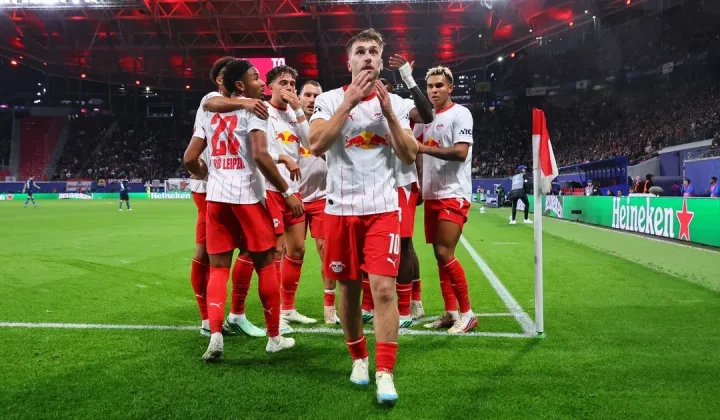
Brajan Gruda Strike Gives RB Leipzig 1-0 Champions League Win Over PSV
Brajan Gruda scored in the 75th minute after Maarten Vandevoordt saved an Ivan Perisic penalty as RB Leipzig defeated PSV Eindhoven 1-0.
Read story
Real Betis vs Porto: Champions League Clash Preview and Prediction
Real Betis host Porto in a crucial Champions League league-phase match. Preview includes team news, possible lineups, and analysis of both sides'…
Read story