
Matheus Cunha Emerges as Key Figure in Brazil’s Evolving World Cup Strategy
Former Brazil midfielder Lucas Leiva highlights Matheus Cunha's adaptive role and tactical importance in Carlo Ancelotti's evolving World Cup squad, offering a new dimension to the Seleção's attack.
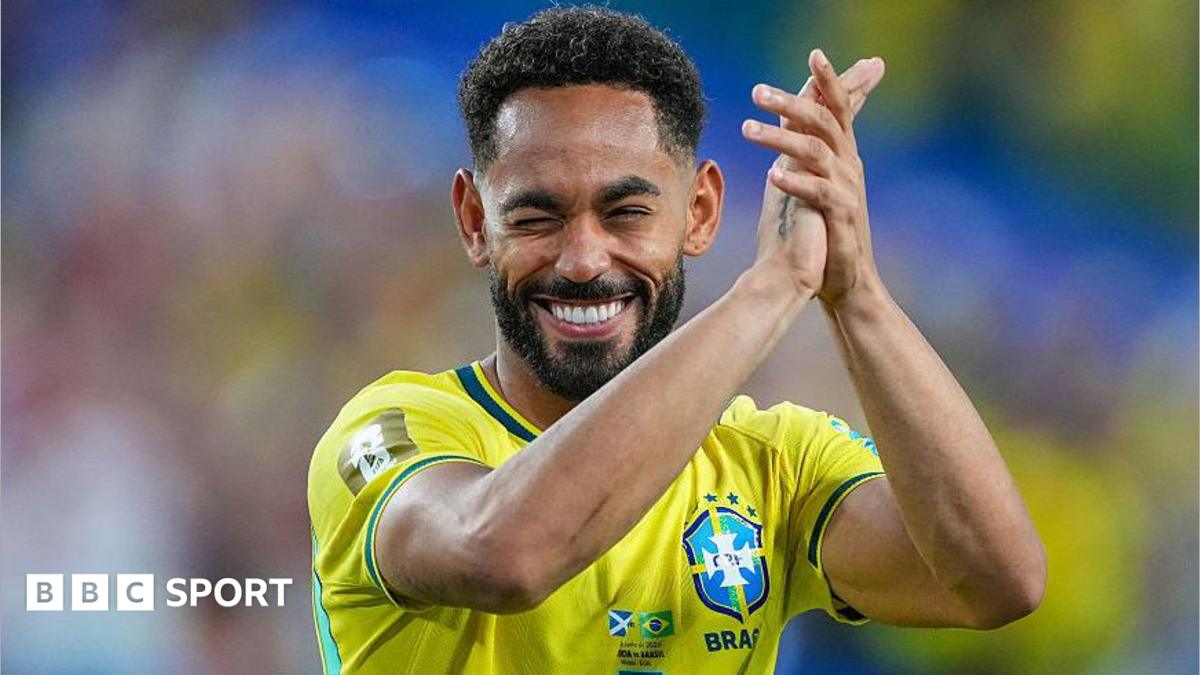
Brazil’s World Cup campaign is gathering pace, with former midfielder Lucas Leiva identifying striker Matheus Cunha as a crucial element in Carlo Ancelotti’s increasingly settled and adaptable squad. Leiva, writing for BBC Sport, suggests that Cunha’s versatile role is central to Brazil’s improved performance and growing confidence as they progress through the tournament.
The adaptability of Brazil’s system is a key theme, with Ancelotti seemingly finding his optimal starting XI. The team’s momentum has built game by game during the group stage, a development that Leiva believes is vital heading into the knockout rounds, starting with a significant challenge against Japan in the last 32.
The ‘Nine-and-a-Half’ Phenomenon
Leiva points to Matheus Cunha as the linchpin of Brazil’s current success, a departure from the traditional expectations of a classic number nine. Cunha operates as a “nine-and-a-half,” a hybrid role that allows him to function as a striker while also dropping deep to link play and create opportunities for teammates. This multifaceted approach distinguishes him from historical Brazilian legends like Ronaldo, Adriano, and Romario, yet his goal-scoring ability, with three goals so far in the tournament, prevents him from being solely a playmaker.
This unique profile provides Brazil with an attacking option perhaps not seen before in a centre-forward. Leiva draws parallels between Cunha’s style and his former Liverpool teammate Roberto Firmino, noting his tendency to drift deep. This movement consistently poses questions for opposing defenders. If a marker follows Cunha into deeper areas, it creates space for wingers like Vinicius Jr and Rayan. Conversely, if the defender remains disciplined, Cunha has the freedom to operate between the lines, receive possession, and initiate attacks or take shots himself.
Cunha’s comfort with his role, including defensive duties like initiating the press or supporting the midfield almost as a number six, is seen as vital for the team’s attacking balance.
Tactical Evolution and Ancelotti’s Options
The lead-up to the World Cup was marked by uncertainty regarding Brazil’s primary number nine, with Ancelotti reportedly trialling various options including Cunha, Igor Thiago, Endrick, Joao Pedro, and Richarlison. Injuries, however, may have inadvertently helped Ancelotti solidify his attacking choices.
The absence of Raphinha, who prefers to roam and played as a number 10 in the opening game, led to Rayan occupying a more fixed position on the right wing. This, combined with Vinicius Jr’s presence on the left, further opens up space for Cunha in his preferred areas. While other options like Thiago offer different tactical possibilities, particularly when chasing a game or requiring more physicality, Ancelotti’s array of choices provides valuable flexibility.
Ancelotti’s Tactical Acumen
Beyond his renowned man-management skills, Ancelotti’s tactical adaptability is highlighted as a major strength. His success across various leagues and clubs demonstrates a profound understanding of how to leverage individual player strengths.
A notable aspect of Ancelotti’s Brazil is their pragmatic approach to possession. The team is not solely reliant on dominating the ball, understanding that strategically conceding possession can create problems for opponents. By pressing effectively at the right moments and with the correct intensity, Brazil can exploit these situations. This tactic was evident in their goals against Scotland, a strategy that had also yielded similar goals in pre-World Cup warm-up matches. Ancelotti’s plan involves setting traps and controlling the game even without the ball.
Redefining Brazilian Identity
The current Brazilian side is consciously evolving, moving away from a singular, rigid identity. Ancelotti’s approach allows the team to adapt based on the opposition and the game’s situation, leveraging the flexibility of its individual players. This contrasts with past Brazilian teams, particularly in the full-back positions, which were historically known for their offensive thrust. The current full-backs, such as Douglas Santos and Roger Ibanez or Danilo, are more conservative, which in turn allows Vinicius Jr to maintain higher attacking positions and remain fresher. The defence is described as solid, with a balanced midfield now in place.
Key facts
| Aspect | Detail |
|—|—|
| Key Player | Matheus Cunha |
| Manager | Carlo Ancelotti |
| Role | ‘Nine-and-a-half’ forward, linking play and scoring |
| Tactical Approach | Adaptable, pragmatic possession, effective pressing |
| Previous Uncertainty | Unclear first-choice striker before tournament |
This evolution under Ancelotti, with Cunha at its forefront, suggests Brazil is building a new, more adaptable identity for this World Cup, one that prioritizes strategic flexibility and player versatility.
Source: BBC Sport Football – How the new Brazil is taking shape and why Cunha is key (https://www.bbc.co.uk/sport/football/articles/clywddlrykdo?at_medium=RSS&at_campaign=rss)
Datos clave
| Punto | Detalle |
|---|---|
| Fuente | BBC Sport Football |
| Fecha | 2026-06-29T07:03:47+00:00 |
| Tema | How the new Brazil is taking shape and why Cunha is key |
Source
BBC Sport Football Original publication: 2026-06-29T07:03:47+00:00
Related news
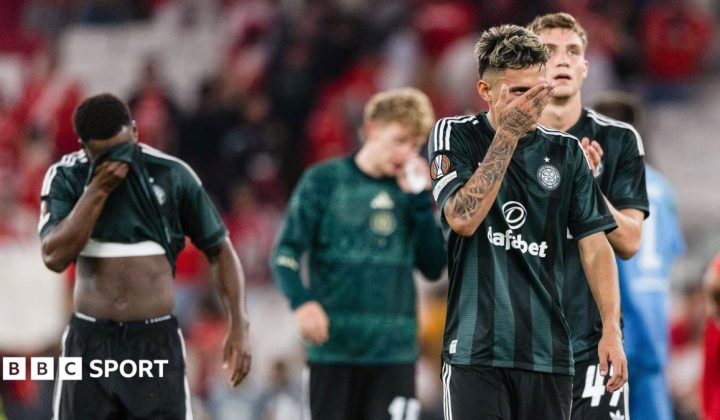
Celtic’s Europa League struggles deepen as Benfica expose familiar flaws
A 4-1 defeat in Lisbon leaves Celtic with two losses from two Europa League group games. Martin O’Neill sees positives in the…
Read story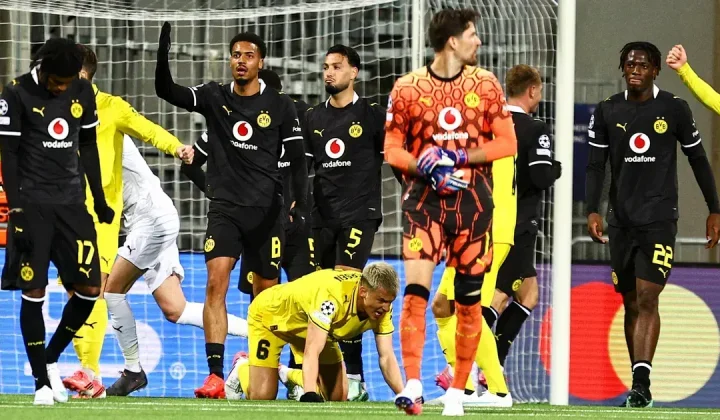
Borussia Dortmund Fall to Bodø/Glimt in Champions League Shock
Fredrik Sjøvold’s second-half strike gave the Norwegian side a 1-0 win over Niko Kovač’s Dortmund, who struggled to break down a disciplined…
Read story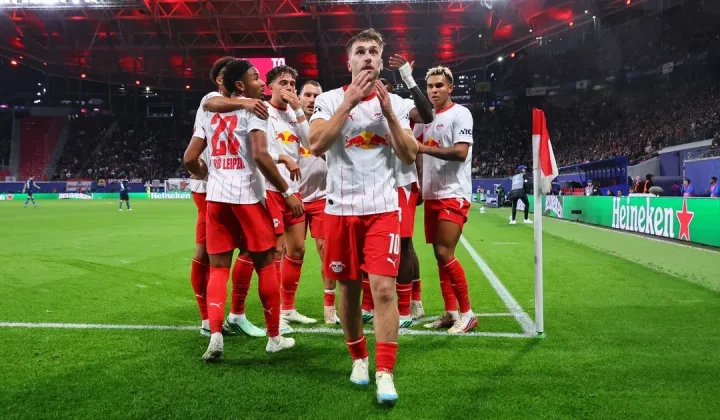
Brajan Gruda Strike Gives RB Leipzig 1-0 Champions League Win Over PSV
Brajan Gruda scored in the 75th minute after Maarten Vandevoordt saved an Ivan Perisic penalty as RB Leipzig defeated PSV Eindhoven 1-0.
Read story
Real Betis vs Porto: Champions League Clash Preview and Prediction
Real Betis host Porto in a crucial Champions League league-phase match. Preview includes team news, possible lineups, and analysis of both sides'…
Read story