
Portugal’s World Cup Stumble: Talent Abounds, But Are They Truly Elite?
Despite a squad brimming with individual brilliance, Portugal's performance in the group stage has raised questions about their cohesive effectiveness and ability to break down stubborn defenses.
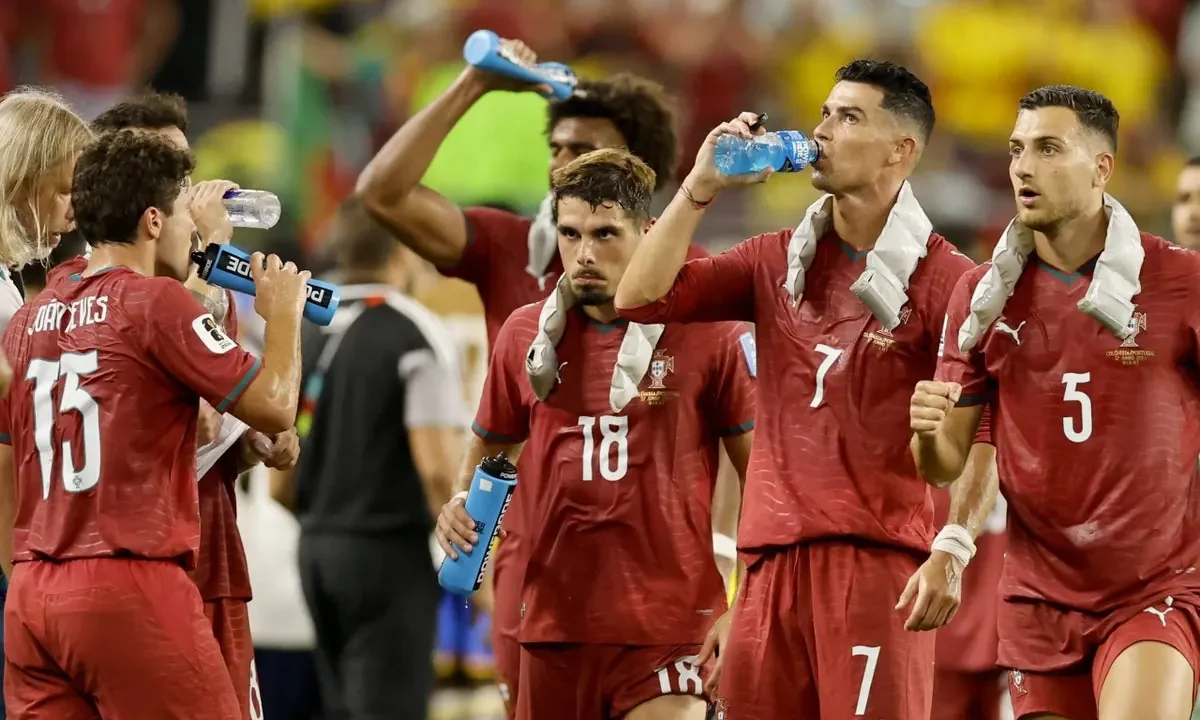
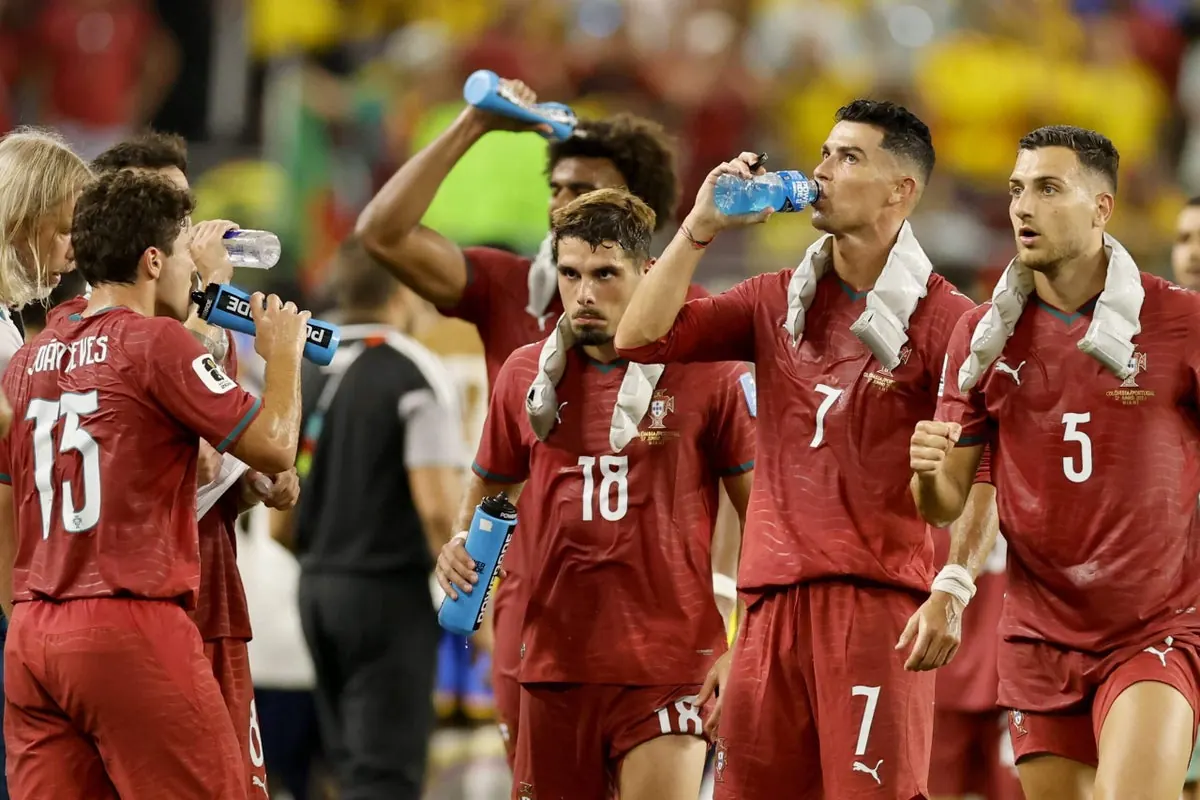
Despite entering the 2026 World Cup as strong favorites, Portugal’s journey to the knockout stages has been far from convincing. Two draws and a single victory saw them finish second in Group K, prompting a critical examination of their overall quality and tactical approach.
Tactical Identity Under Scrutiny
Manager Roberto Martinez aims for his side to be dominant on the ball, but their out-of-possession effectiveness remains a question mark. While the midfield trio of Vitinha, Joao Neves, and Bruno Fernandes possesses the technical ability to control games, Portugal’s chance creation has been inconsistent. A resounding 5-0 win against Uzbekistan was followed by a single shot on target against DR Congo and a goalless draw against Colombia, highlighting difficulties in breaking down compact defenses.
The team’s build-up play, often involving center-backs splitting wide or a full-back tucking in to form a back three, aims to create width and stretch opponents. However, against tightly organized defenses, this attacking approach has sometimes become static, failing to penetrate vertically.
Ronaldo’s Evolving Role
The presence of Cristiano Ronaldo, now 41, continues to be a focal point. While he contributed two goals against Uzbekistan, his impact in other matches has been limited. Arguments about his reduced mobility are countered by comparisons to Lionel Messi, with both players showing a high percentage of walking during games.
Ronaldo’s positioning, often drawing defenders and creating space for teammates, has been highlighted by Martinez as a key tactical element. This strategy, however, is most effective against teams Portugal is expected to dominate. When facing stronger opposition, the reliance on Ronaldo’s decoy runs to unlock defenses becomes a more challenging proposition.
Midfield Dynamics and Attacking Overlap
The midfield partnership of Vitinha and Joao Neves, highly effective at club level, thrives on fluid rotations with attacking teammates. However, with multiple players possessing similar skill sets—Bernardo Silva, Joao Felix, and Bruno Fernandes—Portugal can sometimes struggle with a lack of distinct attacking profiles. This can lead to predictable wide combinations where players prefer to receive the ball to feet, failing to consistently test the opposition’s backline.
The team’s ability to stretch defenses laterally is evident, but a more consistent vertical threat is needed to create genuine scoring opportunities. While Ronaldo’s movement can create space, more dynamic rotations and runs from the forward line are required for Portugal to reach their full potential.
Key facts
| Aspect | Detail |
|---|---|
| Group Stage Performance | Two draws, one win; finished second in Group K |
| Tactical Approach | Possession-dominant, but struggled with chance creation |
| Key Players | Vitinha, Joao Neves, Bruno Fernandes, Cristiano Ronaldo |
| Next Opponent | Croatia in the round of 32 |
Portugal’s abundance of individual talent suggests they can still go far in the tournament. However, to overcome their current challenges, they will need to find greater tactical cohesion and a more consistent attacking threat to match the high expectations placed upon them.
Source: The Athletic Football – Are Portugal any good at this World Cup? https://www.nytimes.com/athletic/7408471/2026/07/01/portugal-world-cup-ronaldo-good/
Source
The Athletic Football Original publication: 2026-07-01T04:20:41+00:00
Related news
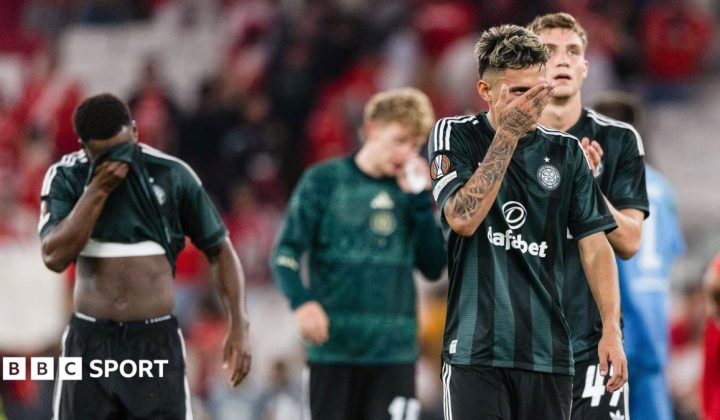
Celtic’s Europa League struggles deepen as Benfica expose familiar flaws
A 4-1 defeat in Lisbon leaves Celtic with two losses from two Europa League group games. Martin O’Neill sees positives in the…
Read story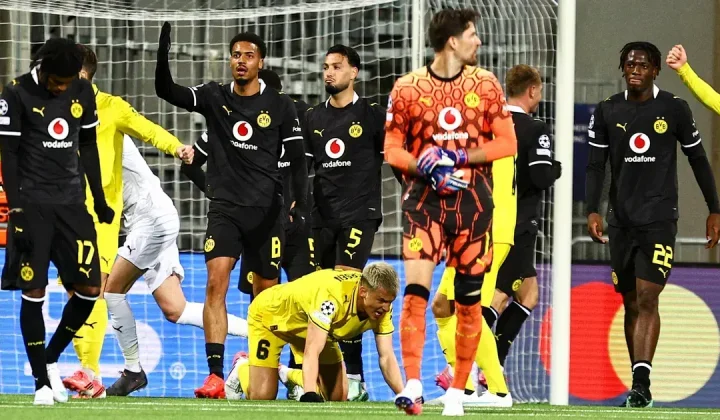
Borussia Dortmund Fall to Bodø/Glimt in Champions League Shock
Fredrik Sjøvold’s second-half strike gave the Norwegian side a 1-0 win over Niko Kovač’s Dortmund, who struggled to break down a disciplined…
Read story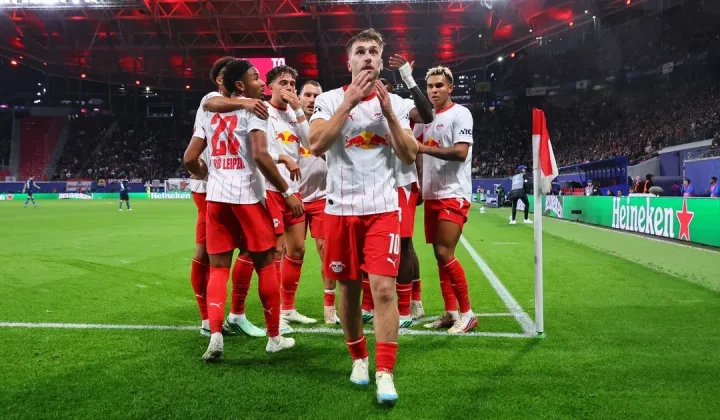
Brajan Gruda Strike Gives RB Leipzig 1-0 Champions League Win Over PSV
Brajan Gruda scored in the 75th minute after Maarten Vandevoordt saved an Ivan Perisic penalty as RB Leipzig defeated PSV Eindhoven 1-0.
Read story
Real Betis vs Porto: Champions League Clash Preview and Prediction
Real Betis host Porto in a crucial Champions League league-phase match. Preview includes team news, possible lineups, and analysis of both sides'…
Read story