
Understanding the Offside Rule: A Deeper Dive for Football Fans
A former Premier League referee breaks down the complexities of the offside law, its historical context, and its modern application in football.
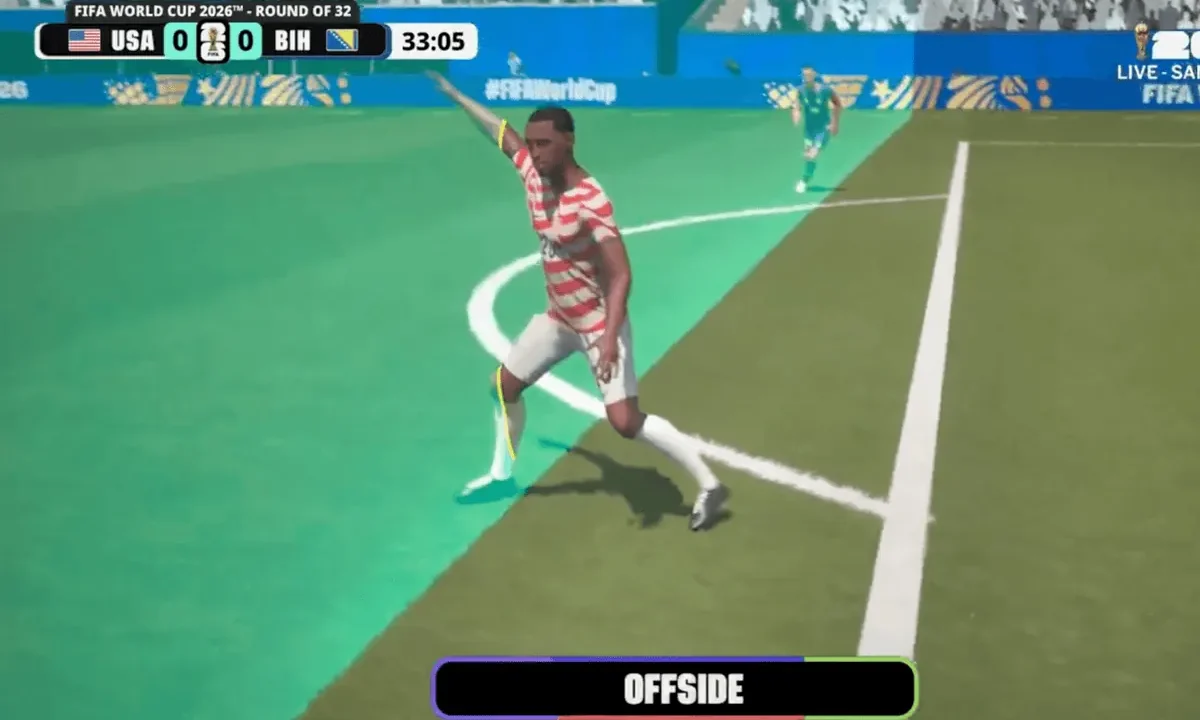
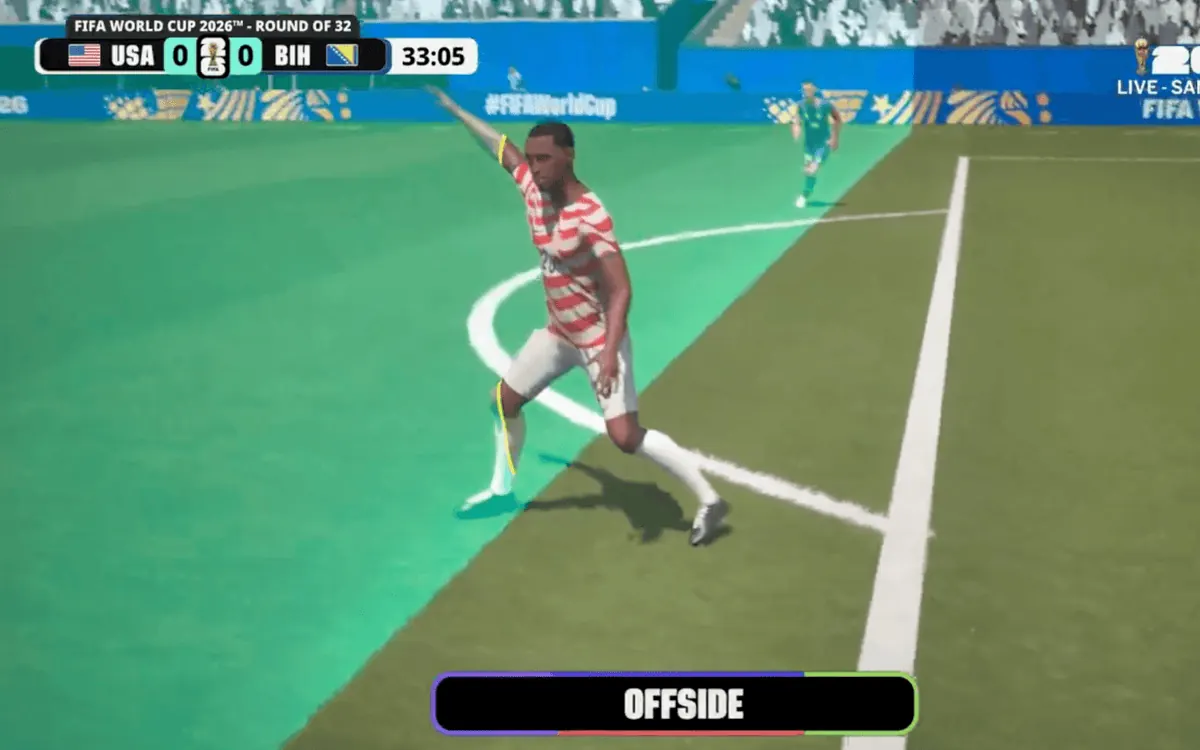
The offside rule, a cornerstone of modern football, often sparks debate and confusion among fans. While its fundamental concept is to prevent ‘goal hanging’ and encourage dynamic play, the law has evolved significantly, becoming a complex set of clauses that even seasoned observers can find challenging to navigate.
A former Premier League referee delves into the intricacies of this rule, explaining its historical origins and how its modern application, influenced by technology, aims to balance fair play with exciting attacking football.
Historical Context of Offside
Initially introduced to prevent attacking players from perpetually lingering near the opponent’s goal, the offside rule aimed to create a more fluid and engaging game. The early iterations sought to stop the unedifying spectacle of players simply waiting for the ball near the goal line, a tactic known as ‘goal hanging’. Over time, the law has been refined to allow for more attacking opportunities while still maintaining a level playing field.
The Mechanics of Offside
At its core, an attacking player is in an offside position if they are in the opponents’ half of the field and are nearer to the opposition’s goal line than both the ball and the second-to-last opponent (which often includes the goalkeeper). Crucially, a player cannot be offside directly from a goal kick, a throw-in, or a corner kick.
The decision-making process typically begins when the ball is played forward by an attacker during open play or from a direct free kick. The assistant referee, positioned on the sideline, mentally records the positions of all attacking players at that precise moment. If any of these players are then the next to touch the ball, they commit an offside offence.
This offence still stands even if the ball deflects off a defender who is not in control of their actions or is attempting to make a save. The assistant referee’s immediate action is to raise their flag to signal a clear offside. However, in close calls, they may wait until the attacking sequence concludes to allow play to continue and potentially yield a goal.
The Impact of Technology
The introduction of video assistant referee (VAR) technology has added another layer to offside decisions. While VAR can review tight calls and overturn incorrect offside judgments to allow goals that should have stood, its implementation has also led to a more critical examination of every potential offside, sometimes resulting in the disallowing of goals for marginal infringements. This has, paradoxically, sometimes had the opposite effect of the rule’s evolution, leading to fewer goals standing.
Subjectivity and Modern Interpretation
Despite technological advancements, many offside decisions remain subjective. Referees are increasingly encouraged to find reasons for play to continue, aiming to promote more attacking football and increase the number of goals scored. However, a player in an offside position who does not touch the ball can still be penalized if they directly interfere with an opponent’s ability to play the ball. This includes actions such as blocking an opponent’s line of sight, challenging for the ball, or attempting to play the ball and missing.
When an offside offence occurs, an indirect free kick is awarded to the defending team, to be taken from the point where the offence happened. An indirect free kick means a goal cannot be scored directly from the restart.
Key Facts
| Aspect | Description |
|---|---|
| Offside Position | Attacking player in opponent’s half, nearer to goal line than ball and second-last opponent. |
| Exceptions | No offside from goal kick, throw-in, or corner kick. |
| Offence Trigger | Touching the ball when in an offside position when it’s played by a teammate. |
| Interference | Player in offside position affecting opponent’s play can be penalized even without touching the ball. |
| Restart | Indirect free kick awarded to the defending team at the point of the offence. |
| Technology Impact | VAR reviews offside decisions, but can also lead to more marginal calls being penalized. |
The ongoing evolution of the offside rule underscores the dynamic nature of football. While the goal is to maintain fairness and excitement, the interplay between law, interpretation, and technology continues to shape how the game is officiated and experienced by fans. Understanding these nuances provides a deeper appreciation for the strategic complexities on the pitch.
Source: The Athletic Football – What is offside and how does it work at the World Cup – https://www.nytimes.com/athletic/7198214/2026/07/01/offide-rule-explained/
Source
The Athletic Football Original publication: 2026-07-02T00:39:28+00:00
Related news

Celtic’s Europa League struggles deepen as Benfica expose familiar flaws
A 4-1 defeat in Lisbon leaves Celtic with two losses from two Europa League group games. Martin O’Neill sees positives in the…
Read story
Borussia Dortmund Fall to Bodø/Glimt in Champions League Shock
Fredrik Sjøvold’s second-half strike gave the Norwegian side a 1-0 win over Niko Kovač’s Dortmund, who struggled to break down a disciplined…
Read story
Brajan Gruda Strike Gives RB Leipzig 1-0 Champions League Win Over PSV
Brajan Gruda scored in the 75th minute after Maarten Vandevoordt saved an Ivan Perisic penalty as RB Leipzig defeated PSV Eindhoven 1-0.
Read story
Real Betis vs Porto: Champions League Clash Preview and Prediction
Real Betis host Porto in a crucial Champions League league-phase match. Preview includes team news, possible lineups, and analysis of both sides'…
Read story