
PSG’s £116m Valuation of Bradley Barcola Sparks Transfer Debate
Paris Saint-Germain's valuation of winger Bradley Barcola above £116 million, mirroring the fee for Elliot Anderson, raises questions about the current market for top talent.
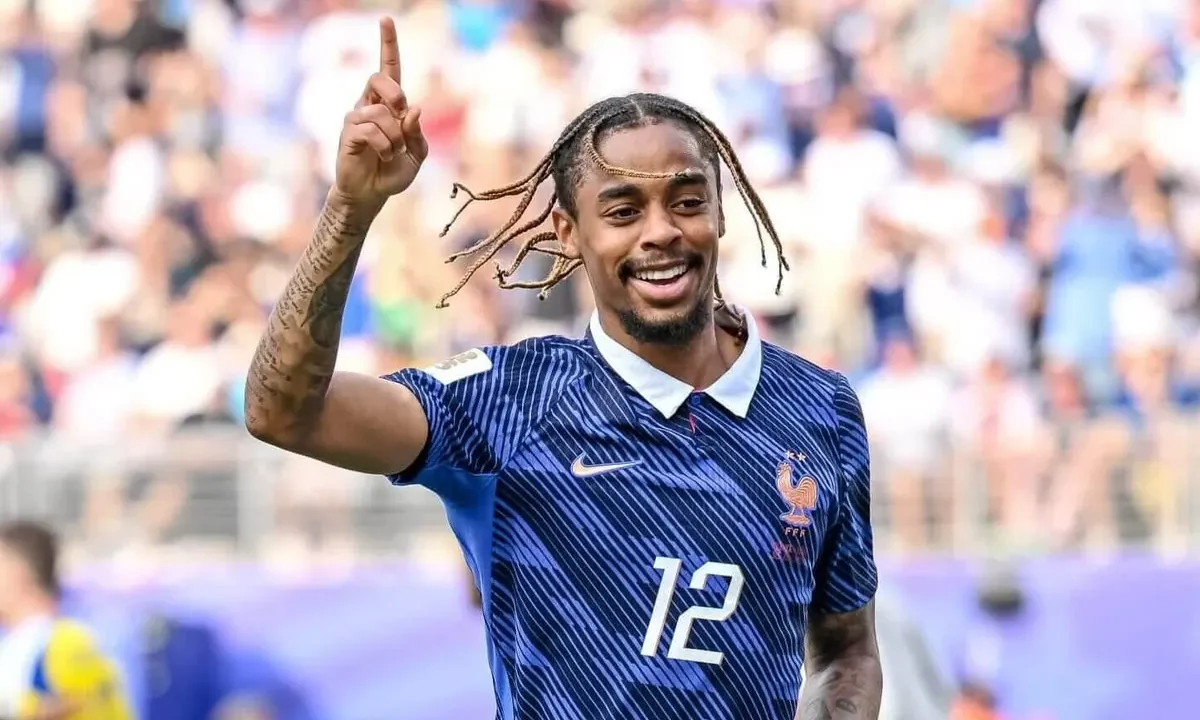
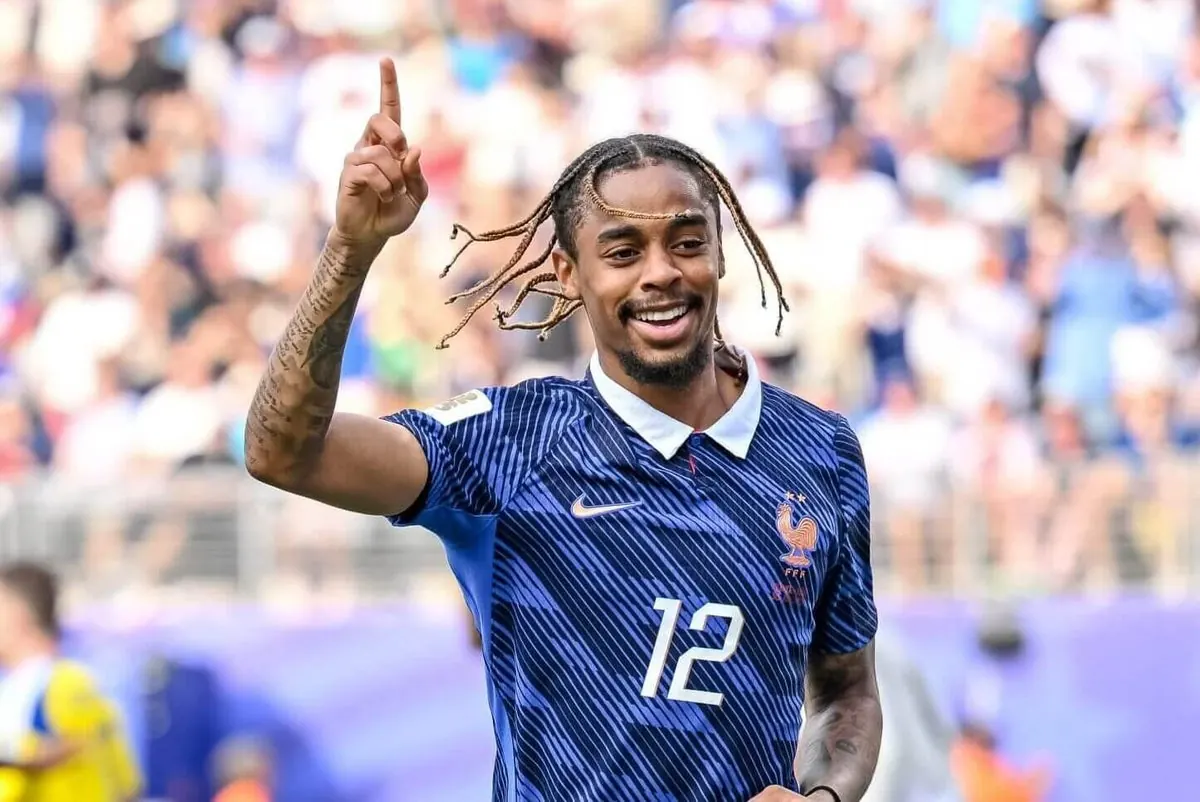
Paris Saint-Germain is reportedly valuing their dynamic winger Bradley Barcola at over £116 million, a figure that places him in the same bracket as this summer’s benchmark transfer, Elliot Anderson’s move to Manchester City. This aggressive valuation by PSG, who are under no immediate pressure to sell the 23-year-old, highlights the escalating market for promising young talent and raises questions about the true worth of such players.
Barcola’s current contract situation, with two years remaining, and his desire for more starting opportunities have fueled speculation about a potential move. Clubs like Arsenal have previously shown admiration, and Liverpool were also linked with the winger in mid-June. This interest, combined with PSG’s stance, suggests that any suitor would need to meet a significant financial demand.
Market Valuation Insights
To assess whether Barcola’s valuation is justified, The Athletic enlisted the expertise of Twenty First Group (TFG), a sports intelligence firm. TFG has valued Barcola at £100 million for potential Premier League buyers. This figure considers his status as a top talent with at least two years left on his contract, his versatility across the wings and central attack, and his potential. However, this valuation does not account for the immediate market forces, such as the urgent needs of buying and selling clubs, which could drive the final price even higher.
When compared to the most expensive wingers signed by Premier League clubs—including Jack Grealish (£100m), Antony (£82m), Jadon Sancho (£73m), Nicolas Pepe (£72m), and Bryan Mbeumo (£71m)—TFG’s £100 million assessment for Barcola appears within a plausible range. The report also references substantial fees paid last summer, such as Liverpool’s acquisition of Florian Wirtz for approximately £116 million and Alexander Isak for around £130 million, further contextualizing the high-value market.
Player Performance and Potential
Barcola’s statistics over his three seasons at PSG paint a picture of a player with significant attacking output, though with noted inconsistencies. The 2024-25 season was his most productive, with 21 goals and 18 assists. However, discussions around his performances often center on missed chances in crucial matches, including notable opportunities in the Champions League and during the recent World Cup.
Despite these fluctuations, Barcola’s underlying numbers suggest a player who generally meets expectations over a full season. His expected goals (xG) figures for the past two league seasons align closely with his actual goal tallies, indicating a reliable scoring rate. Beyond raw numbers, Barcola possesses an electrifying playing style that sets him apart. His intelligent runs, often timed perfectly to exploit space, and his ability to beat defenders with quick changes of direction are hallmarks of his game.
Key Facts
| Aspect | Detail |
|---|---|
| Player | Bradley Barcola |
| Club | Paris Saint-Germain |
| Valuation | North of £116 million |
| TFG Valuation | £100 million (for buying Premier League clubs) |
| Key Strengths | Pace, dribbling, intelligent runs, versatility |
| Noted Concerns | Inconsistent finishing in key matches |
Premier League Defenses and Tactical Fit
A key question surrounding Barcola’s potential transfer to the Premier League is whether he would find the same space to operate against robust defenses. However, his speed and ability to create chances from breakaways could be particularly effective in a league where teams like Liverpool often thrive on counter-attacks. His threat from fast breaks was evident in his late cameos against Arsenal in the Champions League final, where he twice threatened William Saliba.
Barcola is also capable of producing moments of individual brilliance, including striking from outside the box. His ability to score decisive goals, even when facing criticism for missed chances, is a testament to his impact. While his finishing can be inconsistent, he often compensates by scoring more difficult chances or by creating opportunities through his dynamic play.
Statistical Trends and Volatility
Analysis of Barcola’s performance over a rolling 10-game average reveals a tendency to overperform his expected goals (xG) in the first half of seasons, with a slight underperformance after the New Year. This could explain why some of his more notable misses have occurred in the latter stages of competitions. Similarly, his assist numbers, while consistent in volume per 90 minutes, show volatility when compared to his expected assists (xA), indicating a similar pattern of performance fluctuation.
The significance of PSG’s valuation lies not only in the figure itself but also in its implications for the broader transfer market. As clubs continue to pay premium prices for proven and potential talent, Barcola’s situation exemplifies the complex interplay of player performance, market demand, and contractual status that dictates modern transfer fees.
Source: The Athletic Football – PSG value Bradley Barcola at north of £116m – but how much is he really worth? https://www.nytimes.com/athletic/7415771/2026/07/03/bradley-barcola-transfer-latest-fee/
Source
The Athletic Football Original publication: 2026-07-03T04:14:02+00:00
Related news
Borussia Dortmund Fall to Bodø/Glimt in Champions League Shock
Fredrik Sjøvold’s second-half strike gave the Norwegian side a 1-0 win over Niko Kovač’s Dortmund, who struggled to break down a disciplined…
Read story
Brajan Gruda Strike Gives RB Leipzig 1-0 Champions League Win Over PSV
Brajan Gruda scored in the 75th minute after Maarten Vandevoordt saved an Ivan Perisic penalty as RB Leipzig defeated PSV Eindhoven 1-0.
Read story
Real Betis vs Porto: Champions League Clash Preview and Prediction
Real Betis host Porto in a crucial Champions League league-phase match. Preview includes team news, possible lineups, and analysis of both sides'…
Read story
Jaguares Snatch Dramatic 3-2 Win Over Tolima in Liga BetPlay Relegation Battle
Darwin López scored a 92nd-minute winner as Jaguares de Montería secured only their second victory of the Liga BetPlay 2026-II season, defeating…
Read story