Generational Love Languages: How Baby Boomer Family Roles Echo in Today’s Relationships and Culture
A psychological analysis reveals how traditional father-as-provider and mother-as-nurturer roles in Baby Boomer households established distinct "love languages" that continue to shape modern relationship expectations and societal dynamics.
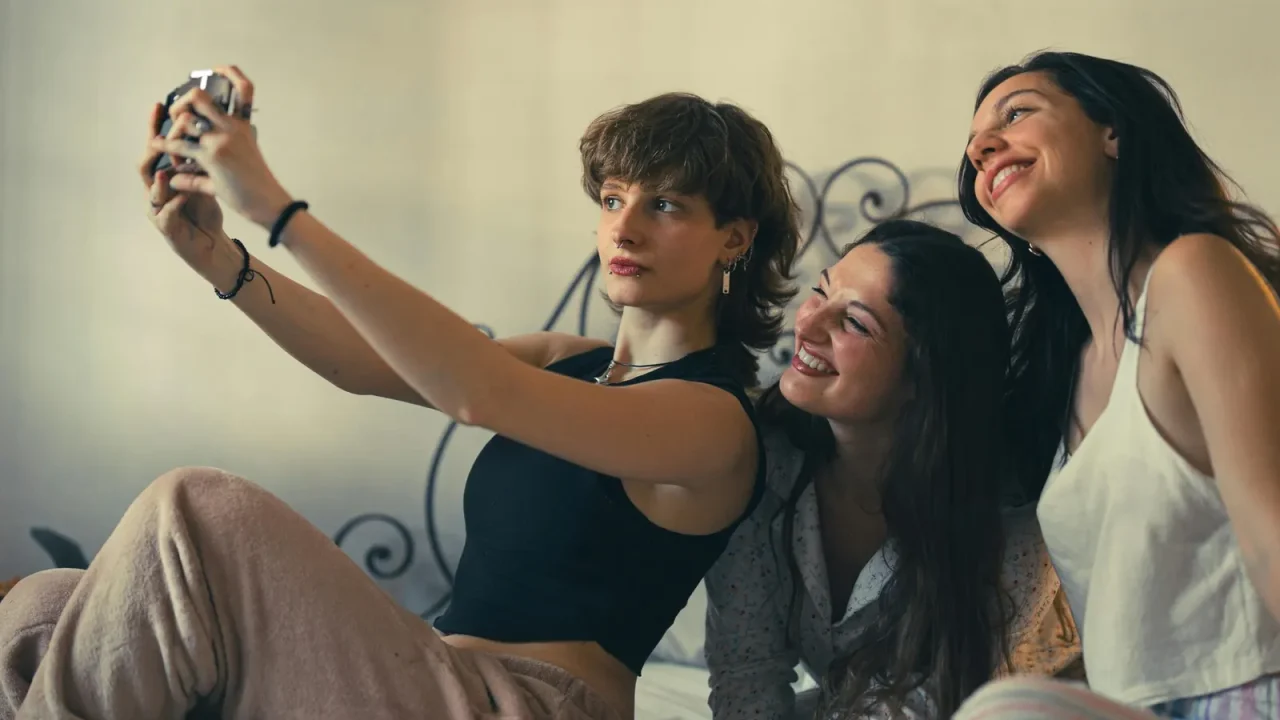

A deep dive into the psychology of relationships suggests that the distinct roles carved out for fathers and mothers within Baby Boomer households may have inadvertently established a blueprint for how love and commitment are understood and expressed even today. This traditional model, prevalent for decades, defined affection not always through words, but through actions: the father’s role as protector and material provider, and the mother’s as the primary emotional anchor.
The Father’s Role: Protection Through Provision
In millions of Baby Boomer homes, the father was often the stoic provider. His love was demonstrated through his labor, his commitment to financial stability, and his efforts to shield the family from material hardship. This exerted a silent influence, where dedicating oneself to work and ensuring the household’s material well-being became the primary language of love and protection. This approach, while foundational for many, often meant that overt emotional expression was less common, with affection conveyed through consistent effort and reliability.
The Mother’s Role: Nurturing Emotional Bonds
Conversely, mothers typically served as the central figures for emotional support and daily connection. They were the listeners, the comforters, and the regulators of the home’s emotional climate. This role involved translating complex feelings, accompanying individuals through personal processes, and sustaining familial bonds through empathetic engagement. This distinct channeling of affective expression created a powerful, ongoing source of emotional sustenance within the family unit.
Bridging the Divide: Integrating Love’s Expressions
This clear functional separation—material provision and protection on one side, emotional containment and empathy on the other—could lead to a fragmentation of how love was perceived. For children growing up in these environments, love might have been understood as something demonstrated through acts of service and responsibility, rather than through constant verbal affirmation or shared vulnerability.
This can create challenges in adulthood, as individuals may find it difficult to seamlessly integrate these two distinct forms of expressing and receiving affection within their own adult relationships. The legacy of this model can manifest as relationships heavily based on duty and commitment, where simply “being there” and fulfilling responsibilities is paramount, sometimes overshadowing explicit emotional validation.
Cultural Echoes in Team Dynamics and Fandom
While the original analysis focuses on interpersonal relationships, these ingrained patterns of perceived roles—provider versus nurturer, action versus emotion—can subtly echo in broader cultural spheres, including sports. In eras where traditional gender roles were more rigidly defined, fan expectations and even team dynamics might have reflected similar archetypes. The “toughness” and stoicism expected of male athletes could mirror the father-as-provider model, emphasizing resilience and performance over emotional openness. Conversely, the support and emotional connection found in fan communities, or the perceived role of some sports figures in embodying family values, might draw parallels to the mother-as-nurturer archetype.
This is not to suggest a direct causal link, but rather an observation of how deeply embedded societal expectations about care, protection, and emotional expression, forged in family units, can influence collective perceptions and behaviors, including how we engage with sports and the figures within them.
Internalized Beliefs and Attachment Styles
Psychology posits that these early experiences with caregivers significantly shape an individual’s attachment style in adulthood. The way Baby Boomers, and subsequently their children, learned to trust, express affection, and navigate conflict can be traced back to these foundational family dynamics. Love might become associated with sacrifice, unwavering responsibility, or constant availability, rather than open communication and mutual vulnerability.
Reimagining Relationships for New Generations
Today, many individuals actively seek to bridge these traditional divides, aiming to integrate open emotional expression with steadfast responsibility. This evolution doesn’t negate the impact of the past but rather reinterprets it, acknowledging the importance of both practical support and deep emotional intimacy. The familial structures of the past were certainly products of their time, reflecting specific cultural values and societal norms. Yet, their influence on how we perceive and practice love—and perhaps even how we engage with cultural touchstones like football—continues to resonate. The dual voices of demonstration through actions and sustenance through emotions, learned early on, often coexist within many adult lives.
What Remains Unclear
The precise mechanisms by which these specific household dynamics translate into observable patterns within the broader context of football fandom or team psychology remain largely unexplored in the original source. The analysis primarily focuses on interpersonal romantic and familial relationships, making any connection to sports culture speculative and indirect. Further research would be needed to substantiate any direct influence on sports-related behaviors or expectations.
Key Insights on Generational Relationship Dynamics
| Aspect | Father’s Role (Baby Boomer Era) | Mother’s Role (Baby Boomer Era) | Modern Relationship Impact |
|---|---|---|---|
| Primary Focus | Material provision, Protection | Emotional support, Containment | Integration of practical and emotional needs |
| Expression of Love | Action, Duty, Sacrifice | Empathy, Listening, Care | Balancing verbal affirmation with acts of service |
| Emotional Learning | Limited verbalization of feelings | Primary emotional regulator | Challenges in male emotional expression, expectations on care |
| Relationship Basis | Stability, Fulfillment of roles | Sustaining bonds | Potential for duty-based vs. balanced emotional connection |
Source: Clarin Deportes, https://www.clarin.com/estados-unidos/psicologia-dice-division-roles-hogares-generacion-baby-boomer-establecio-molde-relaciones-actuales-padre-ensenaba-amor-equivalia-proteccion-trabajo-material-madre-canalizaba-expresion-afectiva-sosten-empatico_0_BFleI9F5hE.html
Source
Clarin Deportes Original publication: 2026-07-06T00:30:00+00:00
Related news
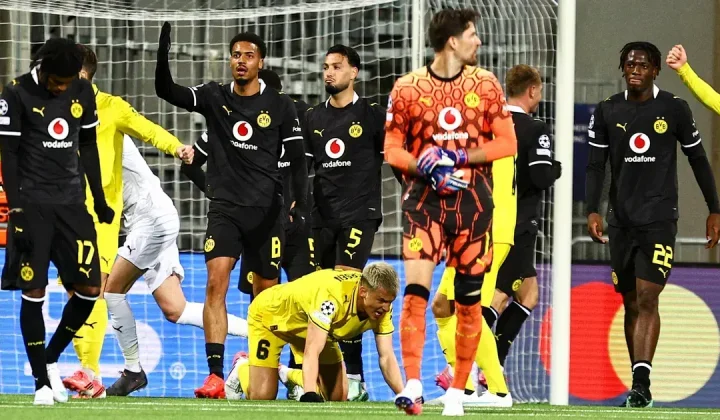
Borussia Dortmund Fall to Bodø/Glimt in Champions League Shock
Fredrik Sjøvold’s second-half strike gave the Norwegian side a 1-0 win over Niko Kovač’s Dortmund, who struggled to break down a disciplined…
Read story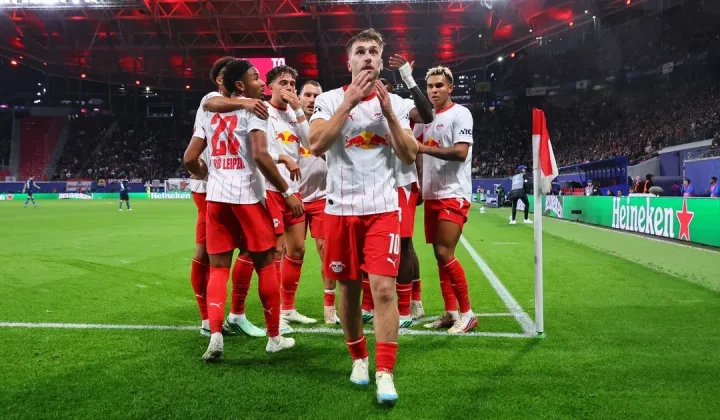
Brajan Gruda Strike Gives RB Leipzig 1-0 Champions League Win Over PSV
Brajan Gruda scored in the 75th minute after Maarten Vandevoordt saved an Ivan Perisic penalty as RB Leipzig defeated PSV Eindhoven 1-0.
Read story
Real Betis vs Porto: Champions League Clash Preview and Prediction
Real Betis host Porto in a crucial Champions League league-phase match. Preview includes team news, possible lineups, and analysis of both sides'…
Read story
Jaguares Snatch Dramatic 3-2 Win Over Tolima in Liga BetPlay Relegation Battle
Darwin López scored a 92nd-minute winner as Jaguares de Montería secured only their second victory of the Liga BetPlay 2026-II season, defeating…
Read story