Europe Dominates Expanded World Cup Field, Outperforming Other Continents
Despite FIFA's aim to boost competitiveness globally, UEFA teams have showcased superior performance in the expanded World Cup, reaching the quarter-finals at a significantly higher rate than their representation.
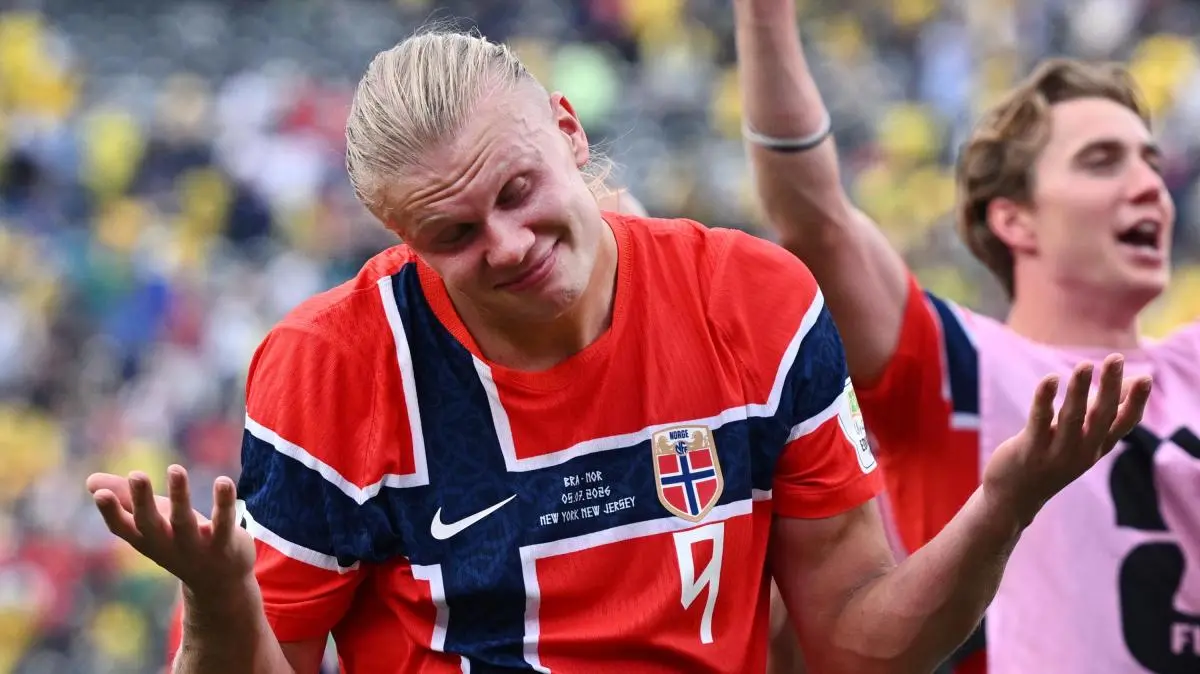
The expanded FIFA World Cup, intended to increase competitiveness among various confederations, has seen European nations continue their strong performance, significantly outperforming other continents in reaching the latter stages of the tournament. UEFA teams have secured a dominant presence in the quarter-finals, underscoring a persistent Eurocentric trend in global football’s premier event.
UEFA’s Strong Showing
UEFA has successfully placed six of its eight participating teams into the quarter-finals. This represents 75% of the teams advancing to the final eight, a remarkable figure considering European nations made up only 33.3% of the total qualified teams at the tournament’s outset. This statistic highlights Europe’s continued footballing prowess on the world stage.
Continental Performance Analysis
The tournament’s expanded format, designed to offer more opportunities to non-European and non-South American nations, has not yet yielded the desired widespread increase in competitiveness.
Oceania and Asia have seen their representation eliminated, with Asia having initially accounted for 16.67% of the qualified teams.
Africa, represented by the Confederation of African Football (CAF), has seen its numbers dwindle. Starting with 18.75% of the World Cup participants, CAF’s presence in the quarter-finals is now reduced to a single team, Egypt, making up 12.5% of the remaining competitors.
A notable decline has occurred in the CONCACAF region, the confederation hosting the current World Cup. Despite the home advantage, the confederation’s representation has fallen to zero in the quarter-finals. CONCACAF began with 12.5% of the qualified teams, and the progression of the three host nations—the United States, Canada, and Mexico—to the round of 16 had temporarily boosted their representation to 18.75%.
South America, represented by CONMEBOL, has maintained its initial representation. The confederation started with 12.5% of the World Cup participants and continues to defend its share with the presence of Argentina in the quarter-finals.
Key Facts
| Confederation | Initial World Cup Representation | Quarter-Final Representation |
|---|---|---|
| UEFA | 3% | 75% |
| CAF | 75% | 5% |
| CONCACAF | 5% (rose to 18.75% in R16) | 0% |
| CONMEBOL | 5% | 5% |
| AFC | 67% | 0% |
| OFC | N/A (assumed 0%) | 0% |
Implications for Global Football
The current tournament’s results suggest that while the World Cup’s expansion aims for greater global inclusion and competitiveness, the established footballing powers, particularly in Europe, continue to set the standard. The performance data indicates that the gap in competitiveness may not be closing as rapidly as anticipated by the expanded format. For fans of FootballGames10, this trend offers insights into the current pecking order of international football and the challenges other confederations face in challenging European and South American dominance.
Source: TuttoMercatoWeb – https://www.tuttomercatoweb.com/mondiali-2026/mondiale-allargato-eurocentrico-uefa-l-unica-migliorato-risultato-2251556
Source
TuttoMercatoWeb Original publication: 2026-07-08T08:45:45+00:00
Related news

Real Betis vs Porto: Champions League Clash Preview and Prediction
Real Betis host Porto in a crucial Champions League league-phase match. Preview includes team news, possible lineups, and analysis of both sides'…
Read story
Jaguares Snatch Dramatic 3-2 Win Over Tolima in Liga BetPlay Relegation Battle
Darwin López scored a 92nd-minute winner as Jaguares de Montería secured only their second victory of the Liga BetPlay 2026-II season, defeating…
Read story
San Lorenzo Seek First Win Under Insua as Riestra Visit in Tense Clausura Clash
Ruben Dario Insua makes several changes to his San Lorenzo lineup as the club seeks its first victory of his third tenure,…
Read story
Premier League Predictions: Man United vs Tottenham, Arsenal vs Leeds Headline Saturday’s Fixtures
Sports Mole's roundup of Saturday's Premier League gameweek six predictions, including Manchester United vs Tottenham Hotspur at Old Trafford and Arsenal vs…
Read story