
De la Fuente’s Spain: Culture, Consistency, and the Rise of Lamine Yamal
Luis de la Fuente's Spain side is on the cusp of greatness, blending a deep-rooted footballing identity with a focus on player welfare and the emergence of teenage sensation Lamine Yamal.
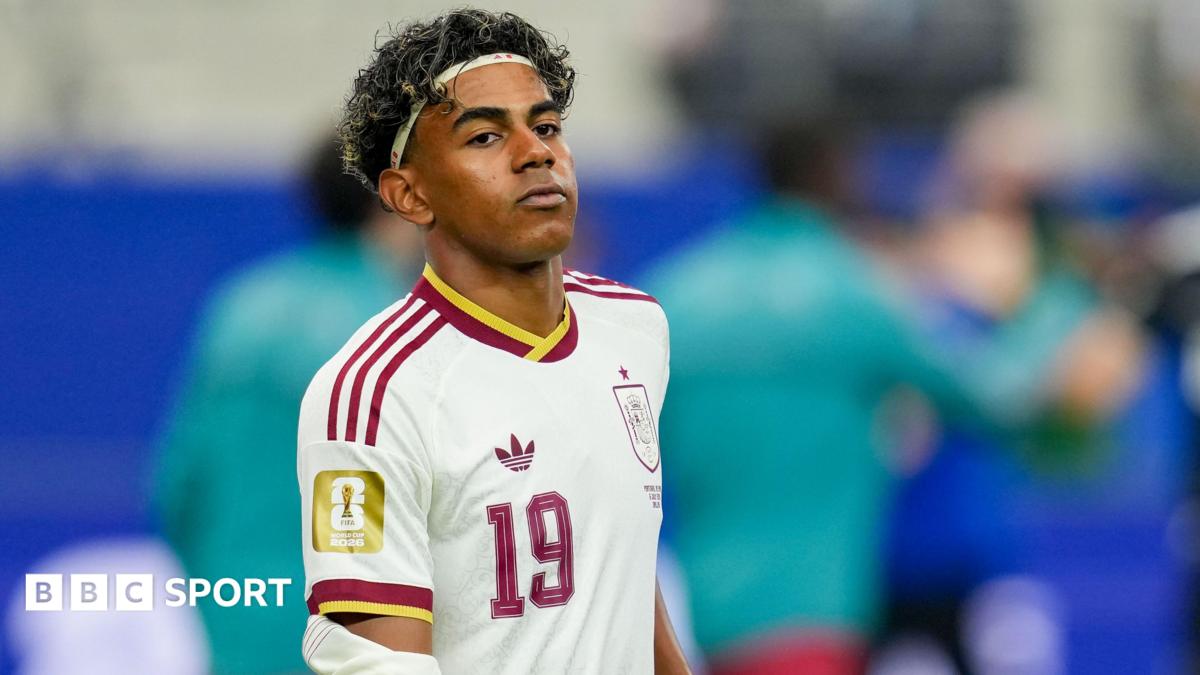
Luis de la Fuente’s Spain is on the verge of achieving a significant milestone in international football, aiming to become only the fourth nation to simultaneously hold both the World Cup and European Championship titles. This potential achievement follows Spain’s successes in 2010, France’s in 2000, and West Germany’s in 1974. De la Fuente, now in his fourth year as Spain boss, has guided the team to Euro victory two years prior and to a World Cup quarter-final against Belgium. His tenure has been marked by remarkable consistency, with only three losses and an impressive 35-game unbeaten streak since taking over in January 2023.
Building Through People and Philosophy
De la Fuente’s coaching approach is characterized by a dual focus on tactical execution and the cultivation of strong human relationships within the squad. He believes that football is fundamentally a team sport built by “good people” – individuals who are generous, supportive, selfless, disciplined, and willing to prioritize the collective over individual gain. This philosophy, deeply ingrained from his decades of work within the Spanish football federation, shapes the team’s collective identity.
Key facts
| Aspect | Detail |
|---|---|
| Manager | Luis de la Fuente |
| Current Streak | 35 games unbeaten |
| Major Titles | Won Euro 2024 |
| Team Identity | Possession-based with tactical flexibility and strong collective values |
| Emerging Talent | Lamine Yamal |
Collective Identity and Evolving Style
Spain’s success is rooted in a footballing identity that has been developed over decades. Players and coaches are selected based on their alignment with this established idea, rather than the other way around. This deep foundation allows for stylistic evolution. De la Fuente has built upon this heritage, introducing greater versatility, depth, comfort in transitions, and unpredictability in the final third, while maintaining defensive solidity. As one Portugal staff member noted after their defeat to Spain, the team is “the easiest to analyse, but the hardest to beat.”
Navigating Pressure and Maintaining Calm
De la Fuente’s experience has taught him the importance of emotional control, particularly in games that seek to disrupt Spain’s rhythm. He acknowledges that in earlier years, he might have reacted more emotionally to provocation, leading to losses. Now, he emphasizes calmness and discipline, understanding that abandoning their identity leads to defeats. This maturity is reflected in his press conferences, where he prepares diligently but also improvises, treating journalists with respect and recognizing them as individuals.
Managing the Prodigy: Lamine Yamal
A significant aspect of De la Fuente’s management is the integration of teenage sensation Lamine Yamal. The Spain boss approaches this delicate task with calmness and confidence, acknowledging Yamal’s recent injury history and focusing on his development within the team’s plans. De la Fuente sees this World Cup as a crucial period for Yamal’s maturity, emphasizing his contribution without the ball and his decisiveness in key moments over individual brilliance. He believes that while exceptional individual players can elevate a team, true perfection in achievement is only possible with a strong collective.
Source: BBC Sport Football – Culture, consistency and Lamine Yamal – inside De la Fuente’s Spain (https://www.bbc.co.uk/sport/football/articles/cwyez8r7ve8o?at_medium=RSS&at_campaign=rss)
Source
BBC Sport Football Original publication: 2026-07-10T06:47:29+00:00
Related news
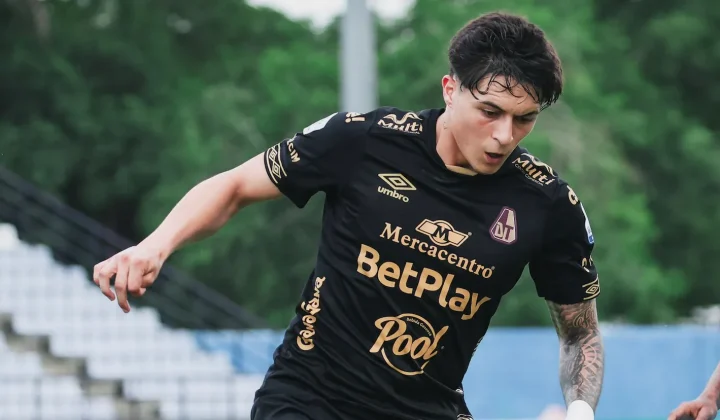
Jaguares Snatch Dramatic 3-2 Win Over Tolima in Liga BetPlay Relegation Battle
Darwin López scored a 92nd-minute winner as Jaguares de Montería secured only their second victory of the Liga BetPlay 2026-II season, defeating…
Read story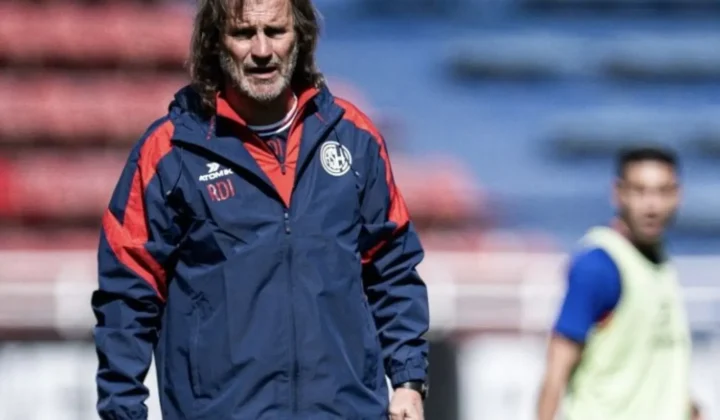
San Lorenzo Seek First Win Under Insua as Riestra Visit in Tense Clausura Clash
Ruben Dario Insua makes several changes to his San Lorenzo lineup as the club seeks its first victory of his third tenure,…
Read story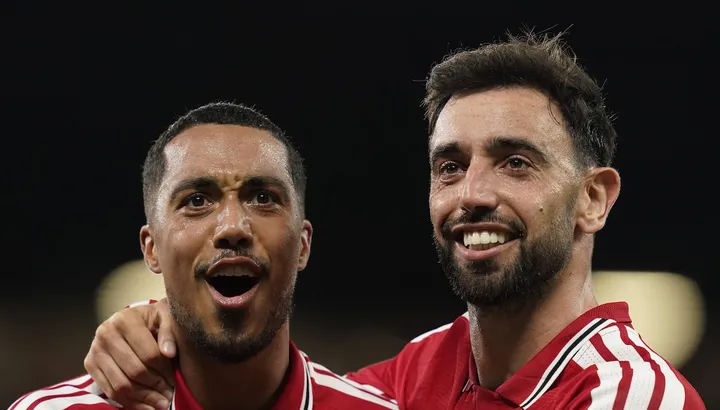
Premier League Predictions: Man United vs Tottenham, Arsenal vs Leeds Headline Saturday’s Fixtures
Sports Mole's roundup of Saturday's Premier League gameweek six predictions, including Manchester United vs Tottenham Hotspur at Old Trafford and Arsenal vs…
Read story
One Injured in Marble Hill Shooting; No Football Disruption Confirmed
A person was hospitalized after a shooting reportedly involving federal agents in New York’s Marble Hill neighborhood. The initial account identifies no…
Read story