
Norway’s Footballing Ascent: How Artificial Turf and Coaching Innovation Forged a Golden Generation
A deep dive into the strategic investments in artificial pitches and a collaborative coaching revolution that transformed Norway from a winter sports nation into a World Cup contender, exemplified by stars like Erling Haaland and Martin Ødegaard.
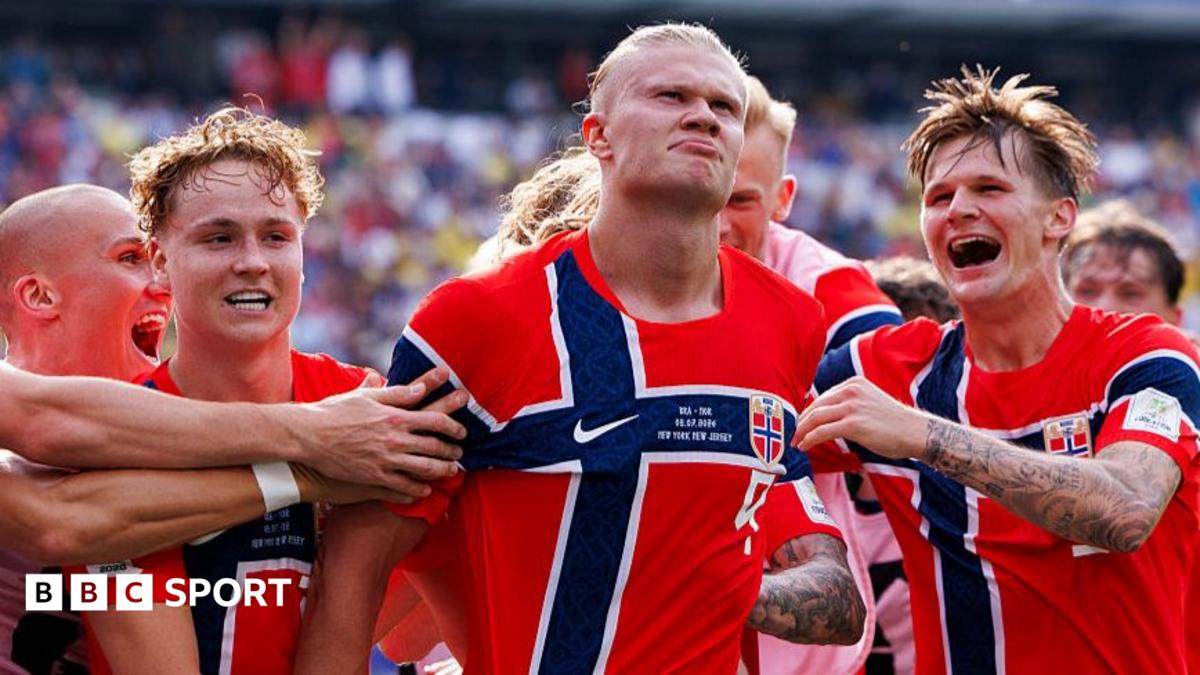
Norway, a nation more traditionally associated with winter sports, is making waves on the global football stage, reaching the World Cup quarter-finals against expectations. This remarkable transformation is not solely attributed to individual brilliance like that of Erling Haaland and Martin Ødegaard, but rather a deliberate, long-term strategy involving widespread investment in artificial turf and a fundamental shift in coaching philosophy.
The country’s recent success, particularly their World Cup campaign where they defeated established footballing nations like Ivory Coast and Brazil, stands in stark contrast to their previous 28-year absence from the tournament. Of Norway’s World Cup squad, a significant majority now play in Europe’s top leagues, a testament to the efficacy of their revamped development system.
Key facts
| Factor | Impact |
|—|—|
| Artificial Pitches | Enabled year-round training, improving technical skills. |
| National Team School (NTS) | Fostered collaborative coaching and player-led development. |
| Gambling Revenue Investment | Provided substantial funding for sports facilities. |
| Grassroots Focus | Allowed young players to develop at local clubs until age 12. |
A Coaching Revolution
Central to this evolution is the National Team School (NTS), established in 2013. Unlike traditional academies, the NTS is a national development structure that connects grassroots clubs, regional districts, top clubs, and the football federation. This collaborative approach emphasizes shared responsibility for player development, moving away from a model where top clubs solely focus on talent and grassroots clubs are left to recreational play.
Håkon Grøttland, head of player development at the Norwegian Football Federation, highlighted this shift, stating, “In Norway, everyone’s in it together.” This philosophy ensures that promising talents are nurtured within a unified system, fostering a sense of collective progress. Even before the World Cup, the national team acknowledged this by posing for a photograph wearing kits from their first clubs, underscoring the importance of their origins.
The NTS philosophy also prioritizes keeping doors open for young players. Unlike in England, where promising talents can be selected by Premier League academies as early as age eight, Norwegian children remain with their local clubs until they are 12. This approach allows for a more organic development, exemplified by Erling Haaland, who was part of national talent camps from age 14 but was not initially considered the standout player of his age group.
Martin Ødegaard, however, was an early indicator of the NTS’s potential. His exceptional talent, even at age 11, inspired the NTS’s core philosophy. Ødegaard’s subsequent move to Real Madrid at 16 for a significant fee demonstrated the caliber of talent emerging from Norway. Grøttland identified a player’s love for the game and their ownership of their development as key indicators of talent, rather than purely technical metrics.
Investment in Infrastructure
A crucial element in Norway’s footballing resurgence has been the significant investment in artificial pitches. Between 2000 and 2010, the country prioritized the installation of artificial surfaces, with a further 586 pitches renovated and 539 new ones built between 2016 and 2025. This initiative transformed football from a seasonal summer sport into a year-round activity, mitigating the challenges posed by harsh Norwegian winters. Playing on consistent surfaces has also contributed to a more technical style of play, evident in players like Ødegaard.
Financial backing for these developments has been robust, partly due to Norway’s status as one of Europe’s wealthiest nations thanks to its oil reserves. Uniquely, a substantial portion of funding for domestic sport comes from regulated gambling revenue. Norsk Tipping, the state-owned operator, allocates 64% of its proceeds to sporting purposes, with a significant share directed towards facility development. In 2026 alone, Norsk Tipping generated over 2 billion Norwegian kroner (approximately £152.7 million) for sports facilities.
A Unified National Spirit
The NTS instills core values of “safety, security, and togetherness” in its players, according to Grøttland. This emphasis on unity is seen as a key factor in the team’s on-field cohesion, epitomized by the “Viking row” celebration that has become a symbol of the nation’s collective spirit. This sense of togetherness, where no single player is deemed more important than the team, is a direct result of the NTS’s philosophy.
While the NTS has demonstrably elevated the national team’s performance, the challenge remains to enrich Norway’s domestic league. Currently, only a small fraction of the national squad plays on home soil, indicating a continued need to strengthen the domestic competition. However, the foundation laid by strategic infrastructure investment and a progressive coaching model suggests a bright future for Norwegian football.
Source: BBC Sport Football – Artificial turf & coaching revolution – how Norway shaped golden generation, https://www.bbc.co.uk/sport/football/articles/cvge7299ygwo?at_medium=RSS&at_campaign=rss
Datos clave
| Punto | Detalle |
|---|---|
| Fuente | BBC Sport Football |
| Fecha | 2026-07-11T05:31:12+00:00 |
| Tema | Artificial turf & coaching revolution – how Norway shaped golden generation |
Source
BBC Sport Football Original publication: 2026-07-11T05:31:12+00:00
Related news
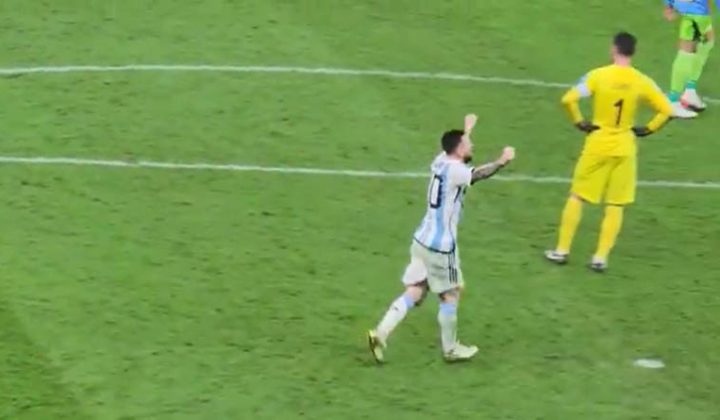
Lionel Messi’s World Cup Reign Continues at 39, Coach Scaloni Hails Him a ‘Monster’
Argentina's coach Lionel Scaloni expresses astonishment at Lionel Messi's continued dominance in the World Cup at age 39, citing his goal-scoring prowess…
Read story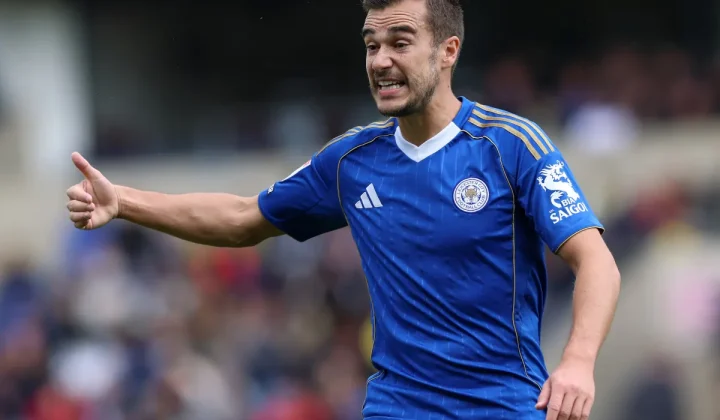
Harry Winks Nears Serie A Return with Cagliari Move from Leicester City
Leicester City midfielder Harry Winks is reportedly on the verge of joining Italian Serie A side Cagliari on a permanent transfer, marking…
Read story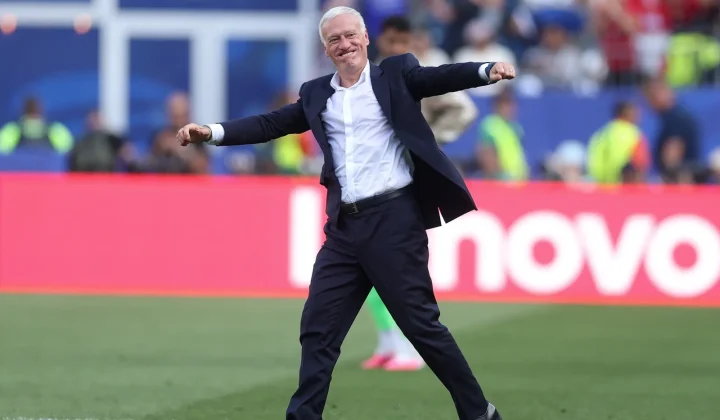
Deschamps Navigates Familiar World Cup Territory Amidst Personal and Professional Transitions
France's head coach Didier Deschamps appears at ease as his team reaches the World Cup semi-finals, a stage he knows well, while…
Read story
Kolo Muani Transfer Saga Continues, Ederson Deal Collapses in Daily Transfer Buzz
Football Italia's daily paper review highlights developments in the pursuit of Randal Kolo Muani, with Juventus facing competition, while a potential move…
Read story