Spanish Football Sees Surge in Foreign Ownership, Reaching 30 International Investors
A decade ago, foreign ownership in Spanish football was a rarity. Now, over 30 clubs across LaLiga and the Primera Federación have international investors, driven by globalization and the sport's economic appeal.
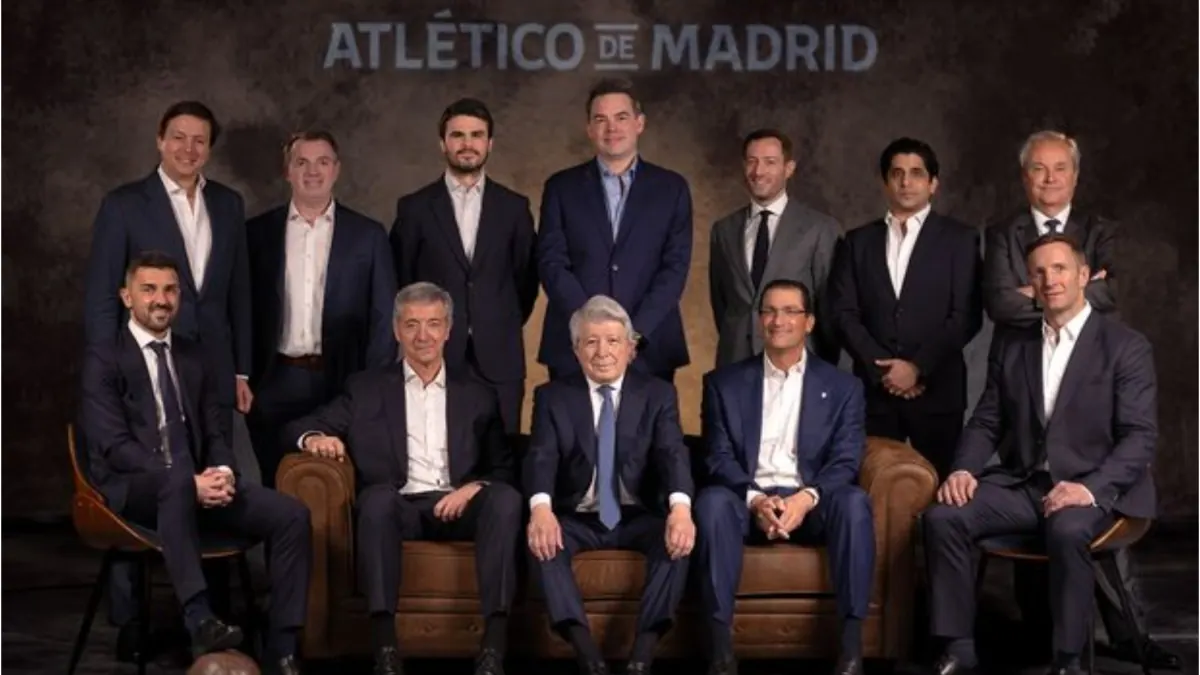
The landscape of Spanish football ownership has undergone a dramatic transformation over the past decade, with the number of clubs under foreign control soaring from a handful to over 30. This trend, accelerated by the COVID-19 pandemic, now encompasses clubs in both LaLiga and the Primera Federación, attracting investors from diverse global backgrounds.
From Mexico and the United States to Japan, Argentina, Saudi Arabia, and Colombia, international capital is increasingly shaping the future of Spanish football. This influx of foreign investment is driven by the sport’s global appeal and its consistent financial growth, with European football clubs projected to surpass €45 billion in revenue by the 2026-2027 season.
Key Facts
| Aspect | Detail |
|---|---|
| Foreign Owners in LaLiga | 20 clubs |
| Foreign Owners in Other Tiers | Approximately 10 clubs in Primera Federación and lower leagues |
| Key Investor Geographies | USA, Mexico, Japan, Argentina, Saudi Arabia, Colombia |
| Notable New Investors | Apollo Sports Capital, Alan Pace, Michael Schwimer (MLB player) |
The Rise of International Investment
The pandemic, while disruptive, served as a catalyst for this trend, making football clubs appear as a “safe haven” asset. This perception has led to a consistent appreciation in club values. In LaLiga, the cost of acquiring a club can range from €80 million for newly promoted teams to an estimated €2.5 billion for Atlético de Madrid. Even in the Segunda División (LaLiga Hypermotion), stable projects typically require an investment of at least €17 million.
This scenario has attracted a wide array of investors, including Arab sheikhs, major U.S. investment funds, professional gamblers, Asian entrepreneurs, and influential Mexican holdings. Notably, high-profile footballers like Leo Messi, Cristiano Ronaldo, and Thibaut Courtois have also entered the Spanish football investment scene.
Shifting Power Dynamics in LaLiga
In LaLiga EA Sports, foreign owners now hold a significant presence, occupying half of the board seats across the professional league’s 42 clubs. Excluding the reserve teams of Real Sociedad and Celta Vigo, international ownership represents a substantial bloc that could influence key business decisions and the league’s future direction.
While direct comparisons are complex, foreign ownership is also dominant in Italy’s Serie A and France’s Ligue 1. Even the English Premier League sees only a minority of clubs with British ownership.
Examples of Foreign Investment Strategies
The article highlights several clubs that have benefited from foreign investment, often after periods of financial difficulty. Christian Bragarnik (Elche CF) and Sebastián Ceria (Real Racing Club) are cited as examples of investors focused on long-term operational strategies and balance sheet restructuring. Both clubs emerged from administration after years of financial struggles.
Atlético de Madrid has seen the arrival of Apollo Sports Capital, a powerful New York-based investment fund that valued the club at €2.5 billion, taking into account the development of its new “Sports City” project.
RCD Espanyol, under Alan Pace and ALK Capital, aims to elevate its business operations and achieve €100 million in revenue, positioning itself among LaLiga’s top 10 revenue-generating clubs.
Valencia CF, despite recent years without European competition, is advancing with the construction of its new stadium, Nou Mestalla. This project is central to a business plan aimed at tripling stadium-related revenue, which already generated €26.4 million in matchday income in the 2024-2025 season. This investment aligns with the recurrent capital injections by Singaporean owner Peter Lim.
Growing Influence in Segunda División
The influence of American investment is even more pronounced in LaLiga Hypermotion, where 15 out of 22 clubs, constituting 68%, are projected to have foreign owners by the 2026-2027 season. The acquisition of Granada CF by an American group, Big League Advantage (BLA), led by former MLB player Michael Schwimer, is set to mark the departure of Chinese investors from LaLiga. BLA will be one of three American ownership groups in the league’s second tier.
This trend underscores a broader shift in football economics, where global capital increasingly seeks opportunities in well-established leagues, attracted by the sport’s passionate fanbase and its potential for sustained commercial growth. The influx of diverse ownership groups promises to bring new strategies, capital, and potentially a different competitive dynamic to Spanish football in the coming years.
Source: MARCA Futbol – https://www.marca.com/sport-business/2playbook/2026/07/14/apollo-taito-suzuki-futbol-espanol-llegado-30-duenos-extranjeros.html
Source
MARCA Futbol Original publication: 2026-07-14T07:52:43+00:00
Related news

Gillingham vs Cambridge United: EFL Trophy Southern Group G Preview, Team News, and Prediction
League Two's in-form Gillingham host League One side Cambridge United in the EFL Trophy on Tuesday. We preview the clash with team…
Read story
Brighton defeat exposes five cracks in Arsenal’s Premier League title defence
Arsenal’s perfect start to the season came to a sudden halt with a 3-0 loss at Brighton. The result has raised fresh…
Read story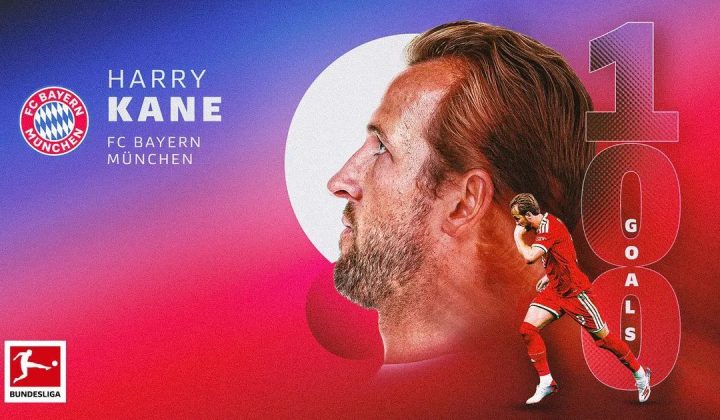
Harry Kane Fastest to 100 Bundesliga Goals, Reaches Milestone in 98 Appearances for Bayern Munich
Harry Kane scored his 100th Bundesliga goal in Bayern Munich’s 7-0 win over Union Berlin, setting a new record for the fastest…
Read story
Bayern Munich’s Luis Díaz Backs Harry Kane for 2026 Ballon d’Or
Bayern Munich and Colombia forward Luis Díaz has publicly backed teammate Harry Kane to win the 2026 Ballon d'Or, calling the England…
Read story