
FIFA seeks private investors for World Cup stake – Infantino pushes $4.2bn deal after record 2026 tournament
Gianni Infantino wants to sell a minority stake in the World Cup and Club World Cup to private investors, days after the 2026 tournament generated an estimated $15bn in revenue. The proposal raises questions about the direction of football’s governing body.
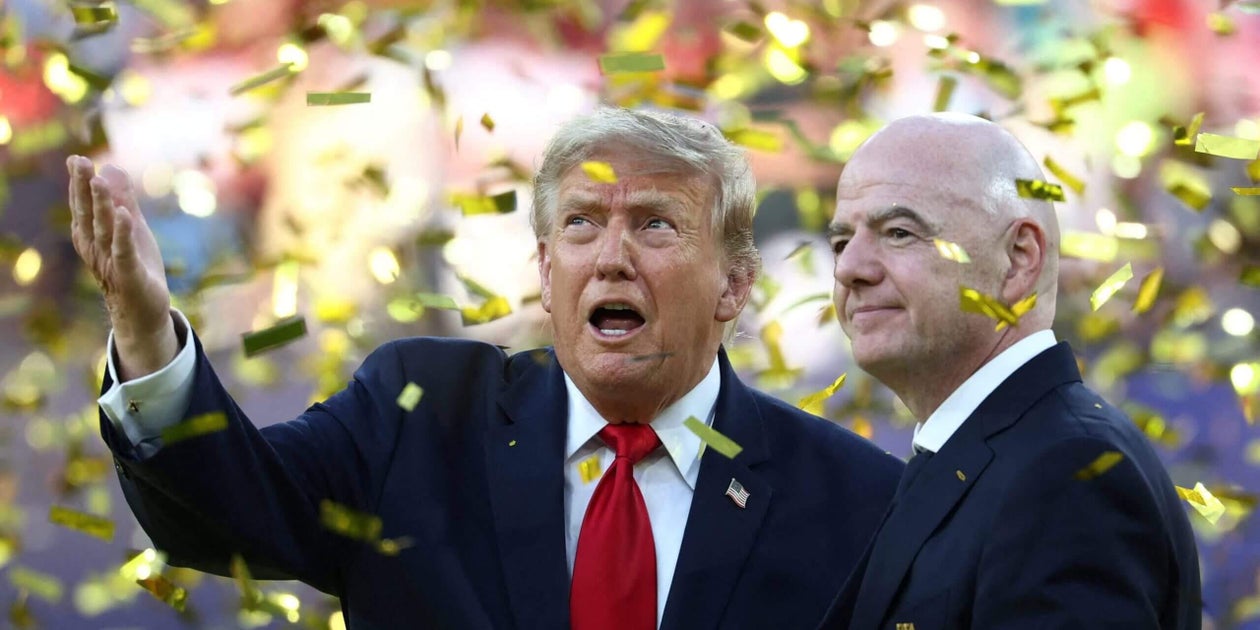
FIFA president Gianni Infantino is pushing to sell a minority stake in the World Cup and the Club World Cup to private investors, a move that comes just days after the 2026 World Cup in North America generated an estimated $15bn in revenue. The proposal, first reported by The Athletic, would see a new FIFA-owned company manage the two tournaments, with a share sold to a group led by Josh Kushner’s Thrive Eternal.
The plan would expand FIFA’s development funding for its 211 member associations to over $10bn, but critics question why the governing body needs to sell a stake in its most valuable asset after a tournament it called “the greatest sporting, social and cultural event in humanity”.
Por que importa
Key facts
| Aspect | Detail |
|——–|——–|
| Proposal | FIFA sets up a new company to manage the World Cup and Club World Cup, then sells a large minority stake to private investors |
| Investors | Group led by Josh Kushner’s Thrive Eternal (Kushner is brother-in-law of Ivanka Trump; his father is U.S. ambassador to France) |
| Financial impact | Potential $4.2bn from the stake sale; FIFA’s development funding for member nations would rise to over $10bn |
| Context | 2026 World Cup in USA, Canada, Mexico projected to return $15bn in revenue; FIFA holds billions in reserves |
What is Infantino proposing?
FIFA announced this week that it will create a new company to oversee the World Cup and the Club World Cup. The governing body then wants to sell a large minority stake in that company to private investors, led by Thrive Eternal. The investment would be used to boost development funding for national associations, particularly in smaller football nations.
Contexto
The proposal requires approval from FIFA’s governing bodies. If approved, it would mark the first time a private equity group has taken a direct stake in football’s most prestigious international tournament.
Why now?
The timing is striking. The 2026 World Cup, co-hosted by the United States, Canada and Mexico, was the most lucrative in history. Infantino himself described it as “the greatest sporting, social and cultural event in humanity”. The tournament generated an estimated $15bn in revenue, and FIFA sits on billions in reserves.
Yet Infantino appears to see room for further growth. The Athletic’s analysis suggests he may have been influenced by the scale of American sports business during his time in the U.S. The NFL commissioner earns $63.9m annually – roughly ten times Infantino’s salary. The FIFA president, who was seen dining with NFL owners and attending the World Cup final at SoFi Stadium, may feel his tournaments remain undersold despite record revenue.
“I think we have to invent some new words,” Infantino said of the World Cup’s success.
What does this mean for fans and clubs?
The immediate impact on fans is unclear. FIFA has not said whether the deal would affect ticket prices, broadcast rights or visa costs for supporters travelling to future World Cups. The 2030 tournament will be co-hosted by Spain, Portugal, Morocco, with centenary matches in Argentina, Uruguay and Paraguay. The 2034 edition is expected to go to Saudi Arabia.
Clubs, who pay player salaries and provide the stars that make the World Cup valuable, are not directly involved in the proposal. FIFA has not indicated if they would receive a share of the new company’s revenue.
Reactions and questions
The proposal has drawn scepticism. Critics argue that FIFA already has enough money to develop the game, pointing to the $15bn World Cup and billions in reserves. The involvement of Kushner, whose family ties to the Trump administration raise questions about influence, has also been flagged. The Athletic notes that Kushner is “definitely independent from the Trump administration, despite having Ivanka as a sister-in-law and a father who is U.S. ambassador to France and Monaco”.
Infantino has framed the move as a way to accelerate development funding. “Grateful member associations can then use their share of more and more money to develop the game and spread peace and love,” he said.
But the column asks whether the sale is driven by a “warped version of the American dream, in which dizzying profit and self-interest for the few blurs with the ideals of progress for the many”.
What happens next?
The proposal is subject to FIFA Council approval. If it goes ahead, the new company could be operational within months. The deal would reshape how the World Cup is governed and financed, moving it closer to a commercial entity partly owned by private investors.
For football governance watchdogs, the move raises fundamental questions: Should a non-profit association sell a stake in the game’s most cherished international event? And what happens if the investors demand a return that conflicts with FIFA’s development mission?
Source: The Athletic Football – “In a sport obsessed by money, is Gianni Infantino’s indecent proposal really such a surprise?” https://www.nytimes.com/athletic/7477170/2026/07/30/gianni-infantino-sell-world-cup-stake-column/
Datos clave
| Punto | Detalle |
|---|---|
| Fuente | The Athletic Football |
| Fecha | 2026-07-30T04:13:49+00:00 |
| Tema | In a sport obsessed by money, is Gianni Infantino's indecent proposal really such a surprise? |
Source
The Athletic Football Original publication: 2026-07-30T04:13:49+00:00
Related news
Transfer Market Roundup: July 30, 2026 – Live Rumors, Signings and Departures Across Europe’s Top Leagues
The latest transfer market activity on July 30, 2026, tracked live from AS Futbol: rumors, confirmed moves, and departures across LaLiga, Premier…
Read story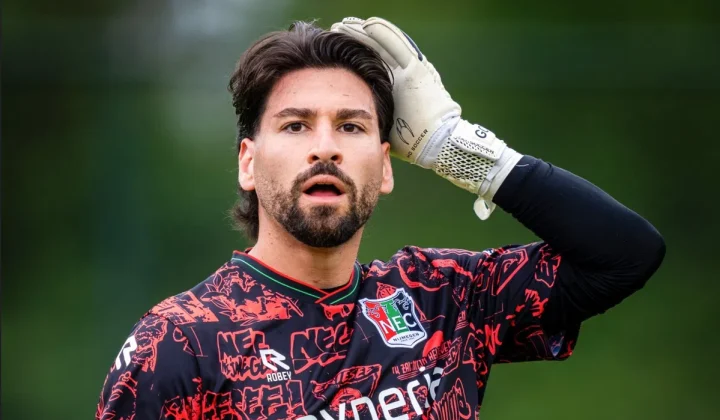
Gonzalo Crettaz’s Rapid Rise: From Spanish Third Tier to Champions League with NEC
NEC goalkeeper Gonzalo Crettaz reflects on his improbable journey from Spain’s third division to a Champions League qualifier against Olympiakos, crediting coach…
Read story
Japan to Host AFC U23 Asian Cup 2028, Olympic Qualifier
The AFC Executive Committee has ratified Japan as the host of the 2028 AFC U23 Asian Cup, which will serve as Asia’s…
Read story
Patience and Precision: How a Solo Builder’s Treehouse Mirrors the Qualities of a Top Football Manager
A single builder turned raw timber, steel supports and a spiral staircase into a compact hanging cabin. The story, originally covered by…
Read story