
Argentina’s Agricultural Sector Seeks Science-Based Regulations for Pesticide Application
Agricultural leaders and lawmakers in Argentina are pushing for a new regulatory framework for pesticide application, emphasizing scientific criteria over arbitrary restrictions to ensure food safety and environmental protection.
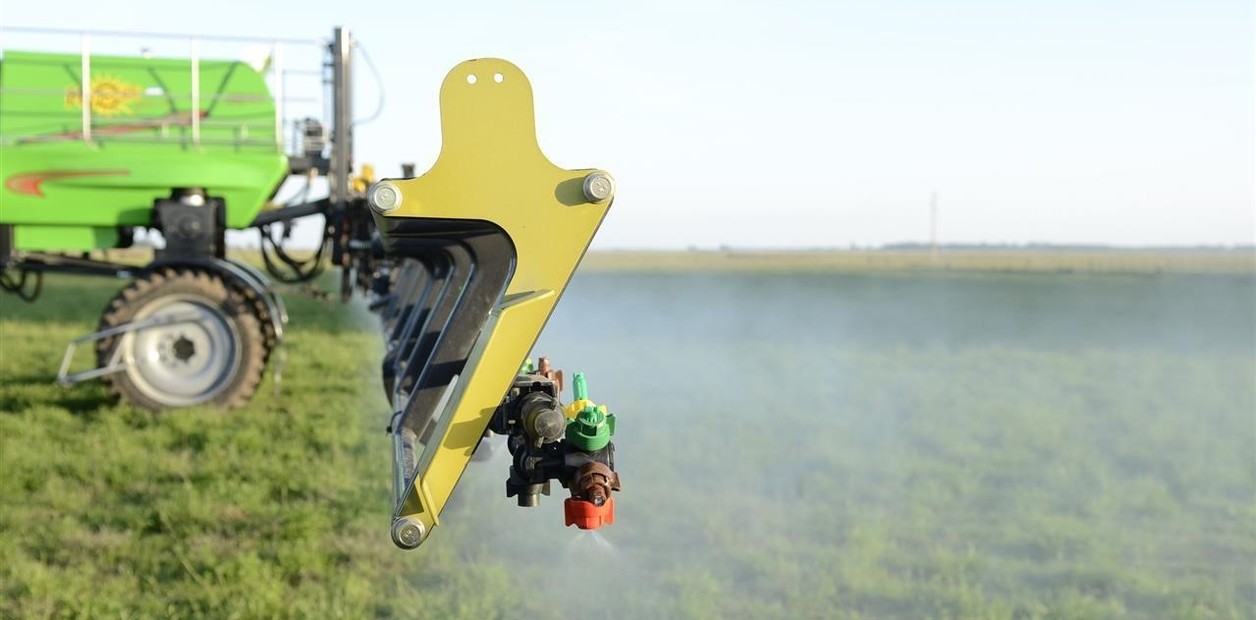
In Argentina, a significant debate is underway regarding the regulation of agricultural practices, particularly the application of pesticides. Leading figures in the agro-industry are advocating for a shift towards scientifically-grounded regulations, moving away from what they describe as arbitrary restrictions imposed by municipal decrees or judicial rulings. This movement aims to create a clear and sustainable framework that safeguards public health, ensures food safety, and supports agricultural production.
The initiative, spearheaded by organizations like the Cámara de Sanidad Agropecuaria y Fertilizantes (CASAFE) and Fundación Barbechando, involves discussions with legislators from various political parties. The core of the proposal centers on establishing “Minimum Budgets” for pesticide application, firmly rooted in Good Agricultural Practices (BAPs).
Key Facts
| Aspect | Details |
|—|—|
| Core Issue | Regulation of pesticide application in Argentina |
| Proposed Solution | Science-based regulations and Good Agricultural Practices (BAPs) |
| Key Concerns | Public health, food safety, environmental impact, agricultural productivity |
| Involved Parties | Agricultural sector representatives, legislators, Foundations (Barbechando, CASAFE) |
Establishing Clear Rules
Federico Landgraf, executive director of CASAFE, emphasized the need for regulations based on scientific criteria, rather than leaving decisions to extremist viewpoints or judicial discretion. This sentiment was echoed by Fundación Barbechando, which organized a meeting with lawmakers to discuss a legislative project focused on “Minimum Budgets” grounded in BAPs.
The current regulatory landscape is described as confusing, with regulations stemming from municipal provisions and judicial decisions. This ambiguity complicates efforts to protect public health and sustain agricultural activities crucial for food generation. Lawmakers present at the meeting acknowledged that the existing legal vacuum often leads to courts legislating through extreme injunctions.
The meeting, held at Barbechando’s headquarters, brought together legislators from the Inter-Party Legislative Space for Agriculture (ELIA), which comprises approximately fifty deputies and senators from both ruling and opposition parties. The objective was to foster predictable public policies by providing Congress with technical data.
Proposed Framework for Pesticide Application
The proposed framework, presented by the BAPs Network, includes several key pillars:
* Defining sensitive and buffer zones with verifiable technical distances.
* Mandating compulsory training and professionalization for applicators.
* Enhancing technological oversight through “black boxes,” remote monitoring, and on-site supervision.
Representatives from Fundación Barbechando, including President Angeles Naveyra, Ignacio Garciarena, and Legislative Director Florencia Ricchiuti, highlighted that Argentina’s exclusion distances are among the most severe and arbitrary globally.
Impact on Agricultural Productivity
The current situation, characterized by communal restrictions lacking scientific basis, threatens to paralyze up to 40% of the productive area for key crops and industries such as beef, milk, potatoes, corn, and wheat. The Agrobioindustrial Executive Committee (CE ABI) facilitated discussions to ensure technical data informs legislative action.
Ramiro Costa, general manager of the Buenos Aires Grain Exchange and a proponent of the BAPs Network, noted that the current political and international context presents a “relatively possible opportunity to reach consensus” on precise regulations that balance economic growth with environmental and social sustainability.
Legislators underscored that the issue extends beyond producer-to-resident relations, representing a comprehensive social problem impacting the economy, food security, and public health, necessitating transparent and traceable communication.
Several national legislators actively participated in the parliamentary meeting, including Martín Ardohain, Joaquín Benegas Lynch, Alicia Fregonese, Andrés Leone, Nicolás Mayoraz, Javier Sánchez Wrba, Alejandra Torres, and Santiago Santurio. Their advisory teams also contributed to the technical discussions.
This development is significant for FootballGames10 readers as it highlights the ongoing efforts to modernize agricultural practices in a major food-producing nation. Ensuring that regulations are based on scientific evidence is crucial for global food security, environmental sustainability, and the economic stability of the agricultural sector, all of which have ripple effects on international markets and food availability.
Source: Clarin Deportes, https://www.clarin.com/rural/regular-ley-cumpla-base-ciencia_0_IyfYvnXPfF.html
Datos clave
| Punto | Detalle |
|---|---|
| Fuente | Clarin Deportes |
| Fecha | 2026-07-18T08:03:17+00:00 |
| Tema | Regular para que la ley se cumpla en base a ciencia |
Source
Clarin Deportes Original publication: 2026-07-18T08:03:17+00:00
Related news

Boca vs River Superclásico Confirmed for November 1 at La Bombonera
The Argentine Professional League has set the date and time for the next Boca Juniors vs River Plate Superclásico, scheduled for Sunday,…
Read story
Harry Kane equals Peter Shilton’s England caps record with two goals in Nations League win over Czechia
Harry Kane scored twice on the night he equalled Peter Shilton’s all-time England appearance record, leading the Three Lions to a 3-0…
Read story
Jesse Marsch says Canada “not afraid” as USMNT friendly intensifies rivalry
Canada coach Jesse Marsch has welcomed the pressure of facing the United States, stating his team is “not afraid” as the two…
Read story
Scotland vs Slovenia: Nations League Group B1 Clash at Hampden Park
Scotland and Slovenia meet at Hampden Park in a pivotal Nations League Group B1 encounter, with both sides level on four points…
Read story