
Argentina’s Congress Approves Gas Subsidy Cuts Affecting 15 Provinces
Argentina's Chamber of Deputies has approved a bill to roll back gas subsidies for "cold zones," impacting 1.7 million households across 15 provinces and potentially increasing gas bills by 40-60% in Patagonia. The legislation now moves to the Senate for final approval.
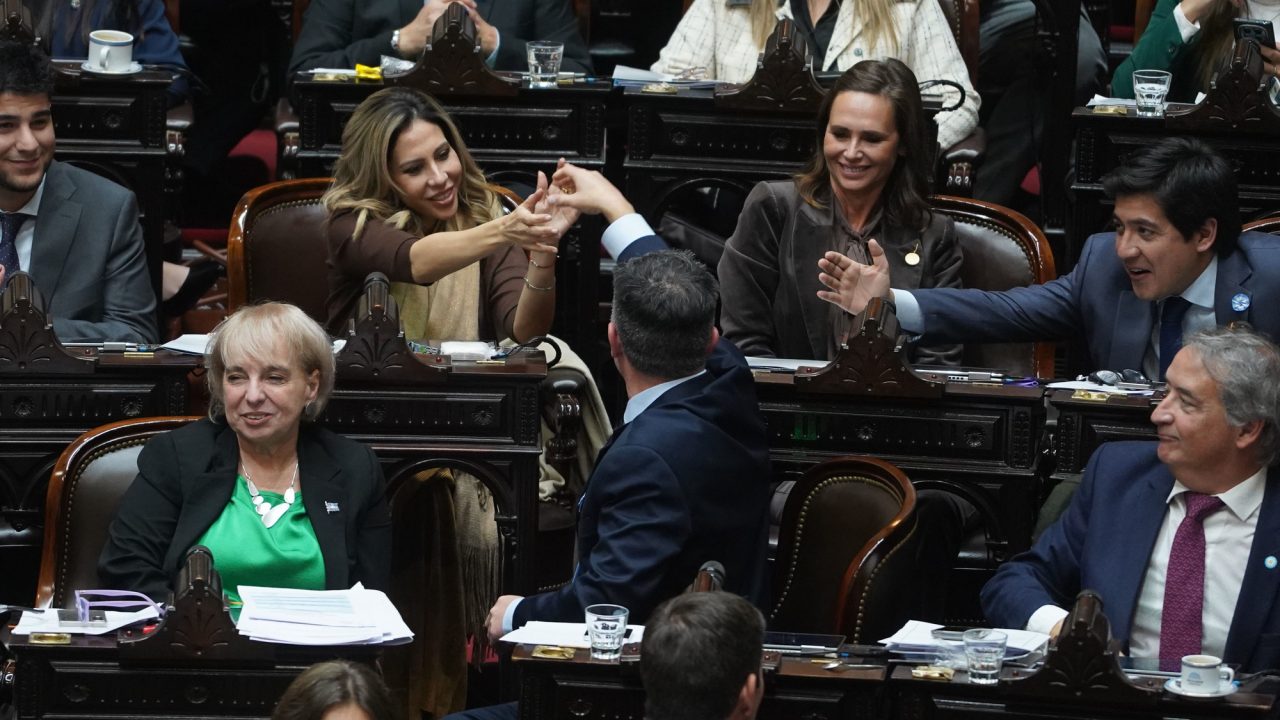
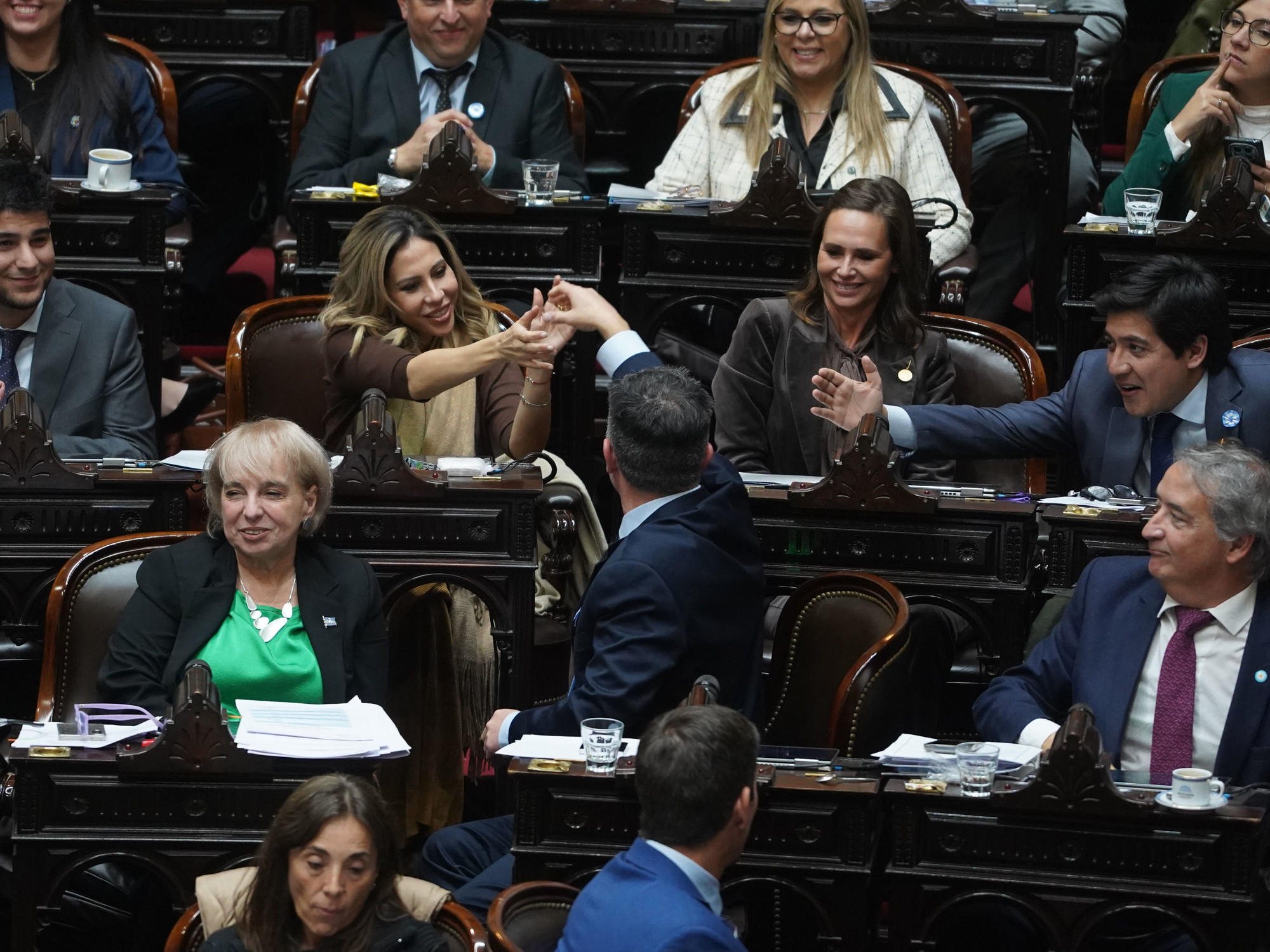
Argentina’s Chamber of Deputies has given its initial approval to a controversial bill that seeks to roll back the expansion of gas subsidies for “cold zones.” The measure, which significantly alters a 2021 law, impacts an estimated 1.7 million households across 15 provinces and now awaits consideration by the Senate.
The legislation passed with 132 votes in favor, 105 against, and 4 abstentions, according to Clarin Deportes. This move, spearheaded by the libertarian administration, is part of its broader economic adjustment policies. Critics argue that the changes will lead to substantial increases in gas bills, particularly in regions like Patagonia, where residents could see their costs rise by 40% to 60%.
Impact on Households and Provinces
The core of the new bill reverses the 2021 expansion of the cold zone regime, which had extended automatic gas tariff subsidies to numerous additional municipalities. Under the new proposal, the automatic 50% benefit will revert to its original scope, primarily covering Patagonia, the Puna region, and Malargüe in Mendoza. However, even in these original cold zones, the subsidy’s value will decrease as it will only apply to the gas consumption item, not the total bill, Clarin Deportes reported.
For regions that were added to the expanded regime in 2021, including municipalities in Buenos Aires, Córdoba, Santa Fe, and the Cuyo region, the automatic subsidy will be eliminated entirely. Residents in these areas will only receive a 30% discount if they can demonstrate economic vulnerability.
Key Provisions of the Gas Subsidy Bill
- Affected Households: 7 million (estimated)
- Affected Provinces: 15 (Buenos Aires, Córdoba, Santa Fe, Mendoza, San Juan, San Luis, Neuquén, Río Negro, Chubut, Santa Cruz, La Pampa, Tierra del Fuego, Jujuy, Salta, La Rioja)
- Estimated Bill Increase: 40-60% in Patagonia
- Congressional Vote: 132 in favor, 105 against, 4 abstentions
- Next Step: Senate consideration
Regional Concerns and Political Debates
The decision has sparked fierce debate among legislators and provincial governors. Pablo Todero, a deputy from Neuquén (Patagonia), strongly criticized the bill, stating, “It’s a lie that it doesn’t affect Patagonia. Patagonians’ gas bills will increase by 40% to 60%,” as reported by Clarin Deportes. He highlighted the immediate economic strain this would place on residents in already challenging climates.
Conversely, government officials defend the measure, arguing that the previous system was inefficient and unjust. They contend that the percentage of the subsidy remains intact but that the new law prevents governors from including other provincial taxes in gas bills, which they described as a loophole. The bill explicitly includes an article prohibiting the inclusion of “local taxes or unrelated charges.” Laura Rodríguez Machado, a deputy from Córdoba, a proponent of the bill, stated, “Nadie está en contra de asistir a familias vulnerables. Estamos en contra de subsidiar también a quienes pueden pagar el gas sin ayuda del Estado” (“Nobody is against assisting vulnerable families. We are against also subsidizing those who can pay for gas without state help”).
Negotiations and Promises
Ahead of the vote, the government, led by Interior Minister Diego Santilli, engaged in last-minute negotiations with allied governors to secure quorum, according to Clarin Deportes. Promises were reportedly made regarding benefits for “warm zones,” a long-standing demand, potentially involving increased subsidized electricity consumption blocks for the NOA and NEA regions in the summer. Santilli also met with Neuquén Governor Rolando Figueroa, signing counter-guarantees for World Bank and IDB financing for infrastructure projects, a move seen by some as an attempt to mitigate the impact of the gas subsidy cuts.
Despite these efforts, some legislators voiced strong opposition. Juan Carlos Molina, a Peronist deputy from Santa Cruz, accused the government of making false promises, suggesting that Catamarca and La Rioja were excluded from warm zone benefits, Clarin Deportes reported. Martín Llaryora, Governor of Córdoba, shared a video stating that the national project “pone en riesgo a unos 688 mil hogares y a más de 2,2 millones de cordobeses” (“puts at risk some 688 thousand households and more than 2.2 million Cordobans”).
Broader Economic Context
The gas subsidy bill was passed alongside the “Ley Hojarasca” (Leaf Litter Law), which aims to repeal 60 “obsolete” laws. This legislative package underscores the government’s push for deregulation and fiscal austerity. Critics from the Peronist and left-wing blocs argue that the “obsolete” laws are in fact critical for public health and national production, warning against the potential negative consequences of their repeal.
The debate over gas subsidies highlights the broader economic challenges facing Argentina, as the government seeks to reduce public spending and stabilize its finances. The impact on households and regional economies will be closely watched as the bill progresses to the Senate for final approval.
Source: Clarin Deportes https://www.clarin.com/politica/diputados-aprobo-quita-subsidios-gas-afecta-ciudades-buenos-aires-14-provincias_0_ZLet8nAP9a.html
Source
Clarin Deportes Original publication: 2026-05-21T00:53:15+00:00
Related news

Body of Missing 5-Year-Old Belgian Boy Likely Found Near Football Club; Father Still Missing
The body of 5-year-old Tyméo Brigou, missing since late June, has likely been found in a wooded area just two kilometers from…
Read story
Serie A clubs Lazio and Fiorentina show interest in free agent Mauro Icardi
The 33-year-old Argentine striker remains a free agent after leaving Galatasaray, with Lazio and Fiorentina both considering a move before the Italian…
Read story
Therian Interrupts “Aura Farming” Gathering in La Plata, Gets Escorted Out by Crowd
A person identifying as a therian briefly disrupted a large "aura farming" meetup in La Plata's Plaza Moreno on Saturday, only to…
Read story
Seven Argentine Players Named in CONMEBOL Team of the Week for Copa Libertadores and Sudamericana
CONMEBOL has selected its ideal lineups for the round of 16 second legs, with seven Argentine players earning spots across both the…
Read story