
Argentina’s Declining Birth Rates Force Widespread Maternity Ward Closures and Reconfigurations
A significant drop in birth rates across Argentina is leading to the closure and repurposing of maternity wards in both private clinics and public hospitals, impacting healthcare services and prompting strategic shifts in medical facilities.
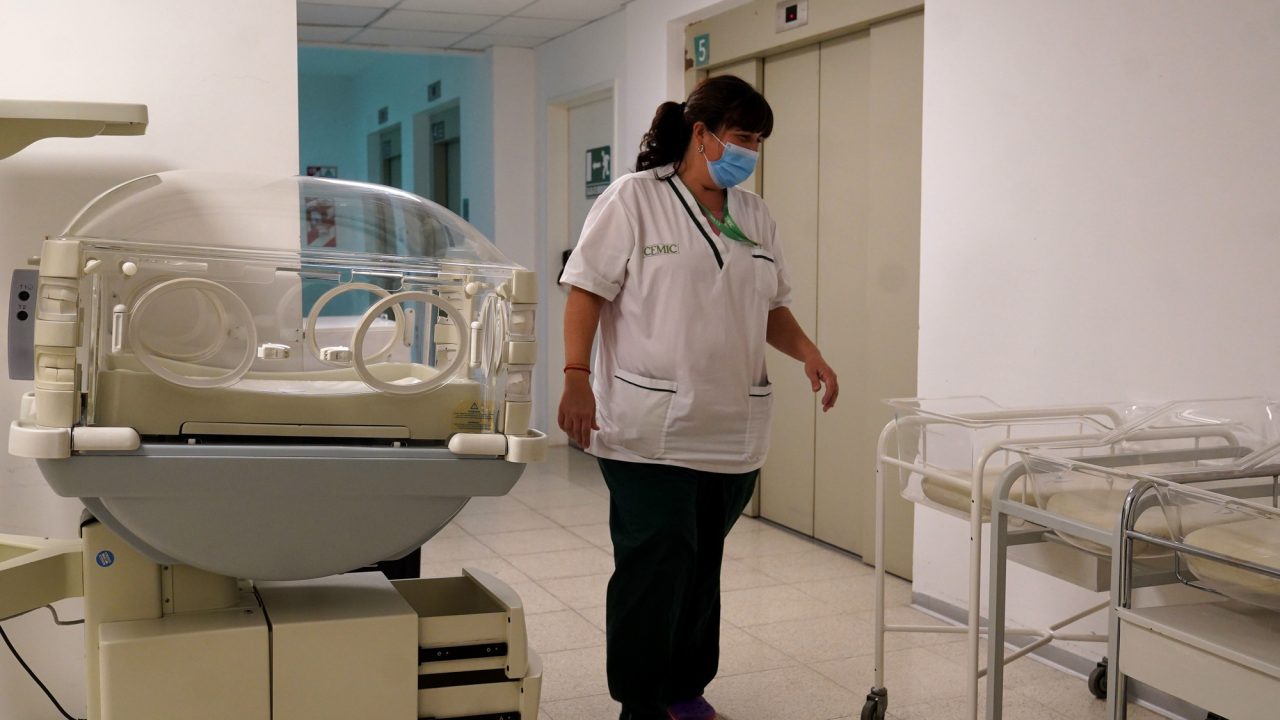
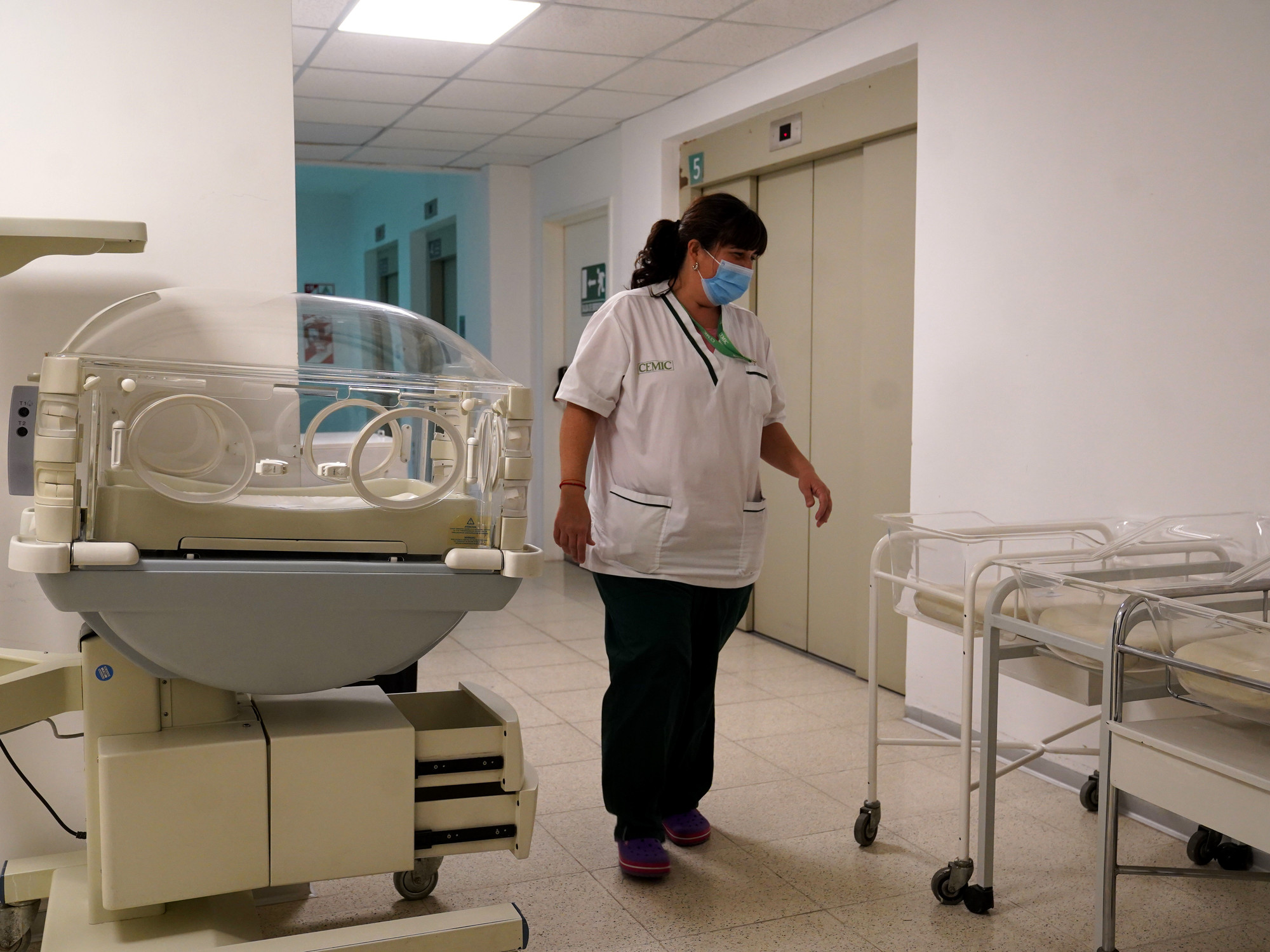
A profound demographic shift is currently reshaping Argentina’s healthcare landscape, as a substantial decline in birth rates compels both private clinics and public hospitals to either close or repurpose their maternity services. This trend, characterized by significantly fewer newborns, has led to underutilized medical infrastructure and is forcing healthcare providers to adapt to new demands and economic realities, according to a report by Clarin Deportes.
Falling Numbers, Empty Beds
Hospitals across Argentina are reporting an unprecedented decrease in births. Miguel Huespe, head of the Maternal-Infant Department at Hospital Santojanni, detailed how an entire section with approximately 70 beds had to be closed and reallocated to gynecology. Now, only 22 beds remain for maternity, often exceeding current needs. Huespe recalled a time when the hospital averaged around 4,500 births annually, a stark contrast to the current figure of approximately 1,300. This situation is not isolated, with many facilities facing similar pressures.
The closure of the maternity ward at Sanatorio Finochietto, previously a hub for foreign mothers, exemplifies this trend. This follows the 2023 closure of the maternity ward at Instituto Diagnóstico (IADT). These high-profile cases are complemented by a quieter, yet equally impactful, reduction in services across numerous other facilities. The national birth rate has seen a dramatic 47% decrease over the past decade, directly impacting the availability of maternity beds, which are increasingly being converted for other, more in-demand medical specialties.
Economic Pressures on Neonatology
The substantial cost of specialized neonatal care is a primary driver behind these changes. Huespe emphasized the immense financial burden of neonatology, noting that intensive care for a newborn can extend up to 90 days. This expense, combined with declining birth rates, makes maintaining dedicated neonatal units economically challenging, particularly for private institutions. The Finochietto clinic explicitly cited the “undeniable” fall in births as the reason for closing its maternity ward, with plans to repurpose the space for new operating rooms and Ambulatory Care Units (UCAs). Similarly, the Ministry of Health in Mendoza closed the maternity ward at Hospital Carlos Saporiti due to low birth numbers, intending to establish a mental health area in its place.
Public hospitals are also experiencing considerable strain. While some, like Santojanni, manage to maintain a “reasonable” number of births by focusing on high-risk pregnancies and offering specialized services such as third-level neonatology and blood banks, others are seeing significantly fewer deliveries. Hospitals such as Durand, Pirovano, and Velez Sarsfield report approximately 1,000 births per year or less. Even the Maternidad Sardá, considered the primary maternity hospital in the city, has experienced a decline over the last decade, though recent years have shown a slight stabilization. In 2025, Sardá recorded 3,321 births, a figure surprisingly close to the 3,010 births reported by the private Sanatorio Otamendi in the same year.
Strategies for Adaptation
Private institutions are actively seeking innovative ways to remain both attractive and viable. Hernán Jensen, head of Obstetrics at Sanatorio Otamendi, explained that while the decline in births affects all facilities, private centers possess greater flexibility to close maternity wards compared to public ones, where the social impact must be carefully weighed. Otamendi has strategically invested in specialized services, including a water birthing room and a Prenatal Diagnosis and Medical Genetics team, to cater to evolving patient needs. They have also observed a trend of increasing first-time mothers, with the average age rising from 24 to 35 over the past decade.
CEMIC also reported a 40% decrease in births compared to pre-pandemic levels. In response, they are concentrating investments in neonatology, pediatrics, and obstetrics, specifically targeting high-risk births. This strategic shift aims to leverage their expertise in complex cases rather than relying on sheer volume.
Challenges in Public Healthcare
The operational demands of public maternity wards are substantial. Essential staffing requires 1 to 3 resident doctors on duty, 3 obstetricians, 4 neonatologists, and multiple nursing shifts for both obstetrics and neonatology. The cost of covering shifts when permanent staff are unavailable further exacerbates financial pressures. Amidst these challenges, some experts advocate for the consolidation of public maternity services. Huespe suggests concentrating the 12 public maternity hospitals in the city into four or five regional centers, ensuring that services are located where they are most critically needed.
Key Trends in Argentinian Maternity Care
- National Birth Rate: Decreased by 47% over the last decade. | Clarín Deportes, citing official Vital Statistics reports.
- Maternity Ward Closures: Sanatorio Finochietto, Instituto Diagnóstico (IADT), Clínica Santa Isabel, Sanatorio de La Trinidad Mitre, Hospital Carlos Saporiti (Mendoza). | Clarín Deportes, based on interviews and official statements.
- Neonatology Costs: Tremendous financial burden; 90 days of intensive care for a single newborn is common. | Miguel Huespe, Head of Maternal-Infant Department at Hospital Santojanni.
- Patient Demographics: Increase in first-time mothers; average age at first birth rose from 24 to 35 years over the past decade. | Hernán Jensen, Head of Obstetrics at Sanatorio Otamendi.
- Hospital Reconfiguration: Spaces previously used for maternity are being converted to gynecology, operating rooms, ambulatory care units, or mental health areas. | Hospital Santojanni, Finochietto clinic, Ministry of Health of Mendoza.
The implications of these demographic shifts are profound for the availability and quality of maternal and neonatal care. As birth rates continue to fall, the healthcare system must adapt through strategic reconfigurations, specialized service offerings, and potentially, consolidation of resources. This ongoing evolution in healthcare infrastructure will be crucial for meeting the future needs of Argentinian families.
Source: Clarin Deportes – https://www.clarin.com/sociedad/bebes-dato-transformando-clinicas-privadas-hospitales-publicos_0_Sw6E17tH68.html
Source
Clarin Deportes Original publication: 2026-05-24T04:00:31+00:00
Related news

One Injured in Marble Hill Shooting; No Football Disruption Confirmed
A person was hospitalized after a shooting reportedly involving federal agents in New York’s Marble Hill neighborhood. The initial account identifies no…
Read story
Boca vs River Superclásico Confirmed for November 1 at La Bombonera
The Argentine Professional League has set the date and time for the next Boca Juniors vs River Plate Superclásico, scheduled for Sunday,…
Read story
Harry Kane equals Peter Shilton’s England caps record with two goals in Nations League win over Czechia
Harry Kane scored twice on the night he equalled Peter Shilton’s all-time England appearance record, leading the Three Lions to a 3-0…
Read story
Jesse Marsch says Canada “not afraid” as USMNT friendly intensifies rivalry
Canada coach Jesse Marsch has welcomed the pressure of facing the United States, stating his team is “not afraid” as the two…
Read story