Argentina Faces Million-Dollar Debt Payment After Withdrawing from WHO
Argentina was required to pay approximately $12 million to finalize its withdrawal from the World Health Organization, a move that has drawn international criticism and raised questions about diplomatic and financial implications.
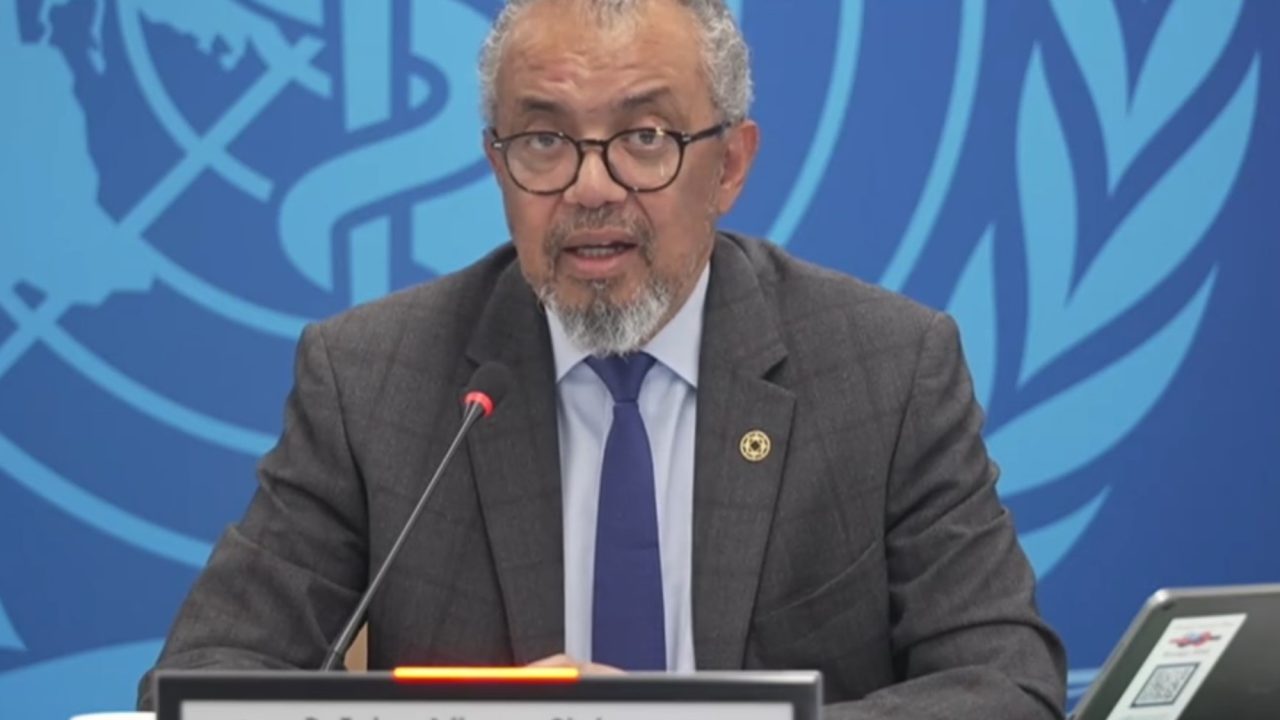
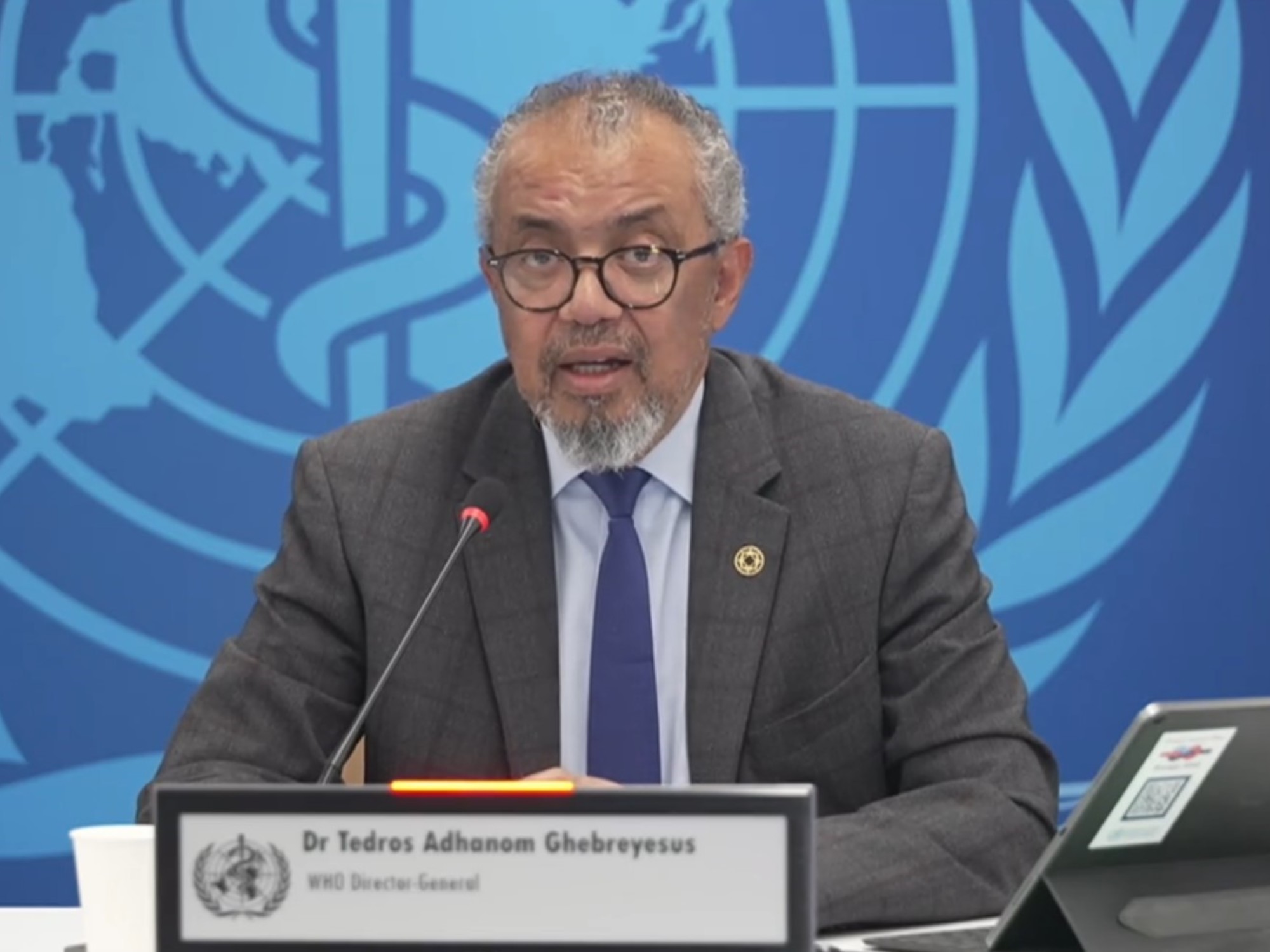
Argentina has reportedly paid a debt of approximately $12 million to finalize its departure from the World Health Organization (WHO). The withdrawal, initiated by the government of Javier Milei, has triggered political, diplomatic, and economic consequences, according to sources within the UN-affiliated organization based in Geneva.
The financial settlement is understood to include overdue contributions, pro-rata payments up to March of this year, and interest on the arrears. While the Argentine government has not officially disclosed the cost, sources familiar with the WHO’s operations estimate the figure to be around $12 million. This amount covers contributions for 2024 and 2025, with payments denominated in both U.S. dollars and Swiss francs, alongside penalties for late payments.
“Argentina paid the two years of arrears plus the proportional part until March 17,” one WHO source stated. “With interest and the exchange rate difference, the total is around 12 million dollars,” added another source familiar with the financial movements of Latin American countries.
Critics of the withdrawal have pointed to the financial implications and the potential for setting a difficult precedent within international multilateral organizations. The decision has also been met with criticism from the WHO leadership, including Director-General Tedros Adhanom Ghebreyesus.
Government Justifications
The Argentine government has defended its decision, citing a desire for “sanitary sovereignty” and alleged ideological biases within the WHO’s agenda. Presidential spokesperson Manuel Adorni and Health Minister Mario Lugones have accused the organization of promoting “eternal quarantines” and infringing on national sovereignty. They argue that sanitary restrictions during the pandemic were decided by individual states, not imposed by the WHO.
However, official statements from the government have been met with counterarguments. It has been noted that sanitary restrictions applied during the pandemic were indeed national decisions, and that both President Milei and Adorni supported isolation measures adopted by the previous administration in 2020.
Diplomatic and Legal Hurdles
The process of Argentina’s withdrawal has been complex, as the WHO constitution does not explicitly outline a mechanism for member states to leave. Unlike the United States, which had a clause in its accession agreement reserving the right to withdraw, Argentina did not have such a provision. This absence led to concerns among diplomats and legal experts about establishing a historical precedent for the multilateral health system.
After considerable negotiation and tension among delegations at the World Health Assembly, a compromise resolution was adopted. This resolution acknowledged Argentina’s notification but avoided formally validating the withdrawal from a legal standpoint. This diplomatic maneuver leaves the door open for Argentina’s potential reincorporation in the future without requiring a new accession process.
“The UN, in the absence of an express decision by the WHO to recognize Argentina’s withdrawal, will likely continue to list both Argentina and the United States as members,” explained Gian Luca Burci, former legal advisor to the WHO, in a statement to Health Policy Watch.
Historical Parallels and International Alignment
The situation has drawn comparisons to the withdrawal of seven nations from the former Soviet bloc in 1949 and 1950, who eventually resumed their active membership years later without a formal re-adhesion process.
The comparison with the withdrawal initiated by Donald Trump has also been highlighted. Many diplomats within the WHO perceive Argentina’s decision as a direct ideological alignment with Washington, suggesting that this stance may change with future Argentine governments. The timing of Argentina’s announcement, just hours after Trump’s notification of the U.S. withdrawal, fueled this interpretation. The Argentine government, however, rejects this narrative, maintaining that its decision stems from accumulated criticisms of the WHO’s pandemic management.
Concerns about China’s influence within multilateral organizations like the WHO have also been raised by the current administration, echoing criticisms previously voiced by the Trump administration.
Continued Cooperation
Despite the withdrawal, Argentine officials linked to Health and Foreign Affairs assert that the country has not abandoned the Pan American Health Organization (PAHO) or the International Health Regulations. They emphasize that Argentina continues to cooperate “very actively” in regional and global epidemiological surveillance mechanisms. Examples cited include joint work on recent hantavirus outbreaks and other health monitoring systems.
Datos clave
Argentina’s WHO withdrawal cost: Approximately $12 million
Included in payment: Overdue contributions, pro-rata payments, interest
WHO constitution: Lacks explicit withdrawal mechanism
International precedent: Concerns raised about impact on multilateral system
The departure from the WHO raises significant questions about Argentina’s engagement with global health governance and its willingness to participate in international health frameworks, particularly in light of ongoing public health challenges worldwide.
Fuente: Clarin Deportes, https://www.clarin.com/politica/problemas-salida-argentina-organizacion-mundial-salud-pagar-deuda-millonaria_0_MhjR4VM7rp.html
Datos clave
| Punto | Detalle |
|---|---|
| Fuente | Clarin Deportes |
| Fecha | 2026-05-27T23:40:03+00:00 |
| Tema | Más problemas por la salida argentina de la Organización Mundial de la Salud: hubo que pagar una deuda millonaria |
Source
Clarin Deportes Original publication: 2026-05-27T23:40:03+00:00
Related news

Celtic’s Champions League Collapse: A Timeline of the LASK Disaster
Celtic threw away a 4-0 aggregate lead against LASK in the Champions League qualifiers, suffering a humiliating 5-4 defeat after extra time.…
Read story
Body of Missing 5-Year-Old Belgian Boy Likely Found Near Football Club; Father Still Missing
The body of 5-year-old Tyméo Brigou, missing since late June, has likely been found in a wooded area just two kilometers from…
Read story
Serie A clubs Lazio and Fiorentina show interest in free agent Mauro Icardi
The 33-year-old Argentine striker remains a free agent after leaving Galatasaray, with Lazio and Fiorentina both considering a move before the Italian…
Read story
Therian Interrupts “Aura Farming” Gathering in La Plata, Gets Escorted Out by Crowd
A person identifying as a therian briefly disrupted a large "aura farming" meetup in La Plata's Plaza Moreno on Saturday, only to…
Read story