
Astronomers May Have Witnessed a Planetary Collision
Scientists are excited by the possibility of observing an actual planetary impact around a young star, offering unprecedented insights into planetary formation.
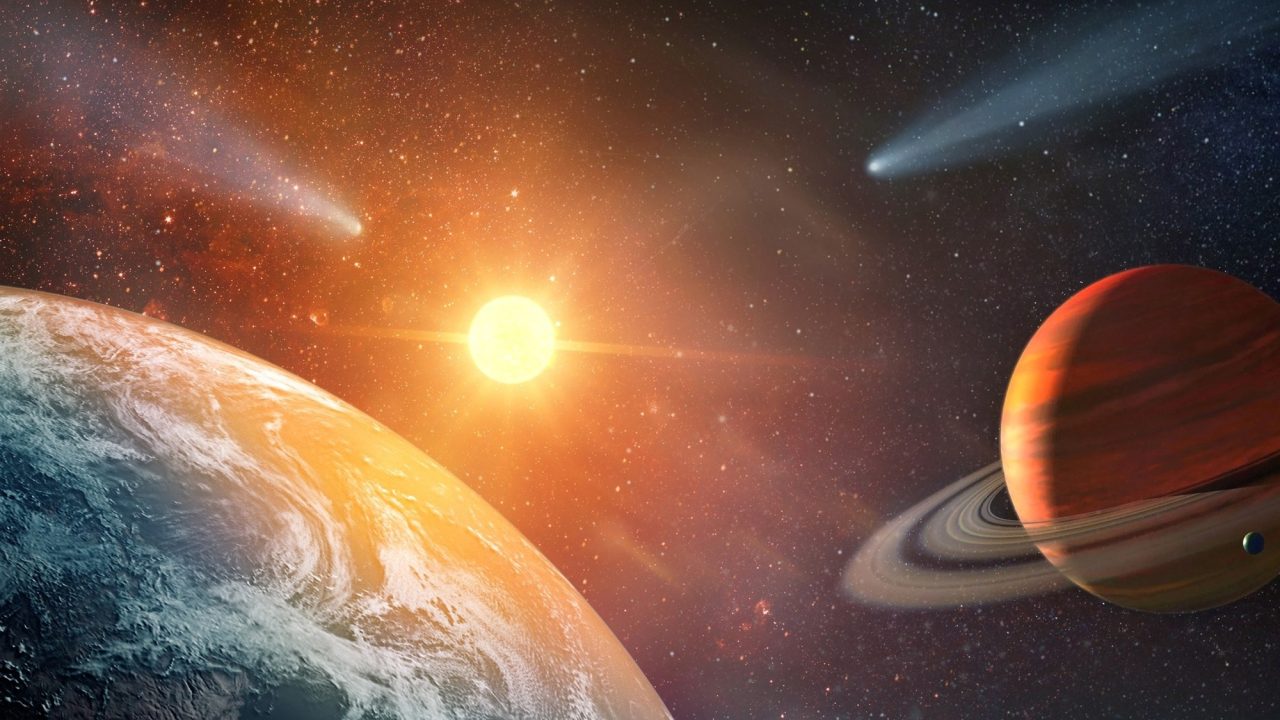
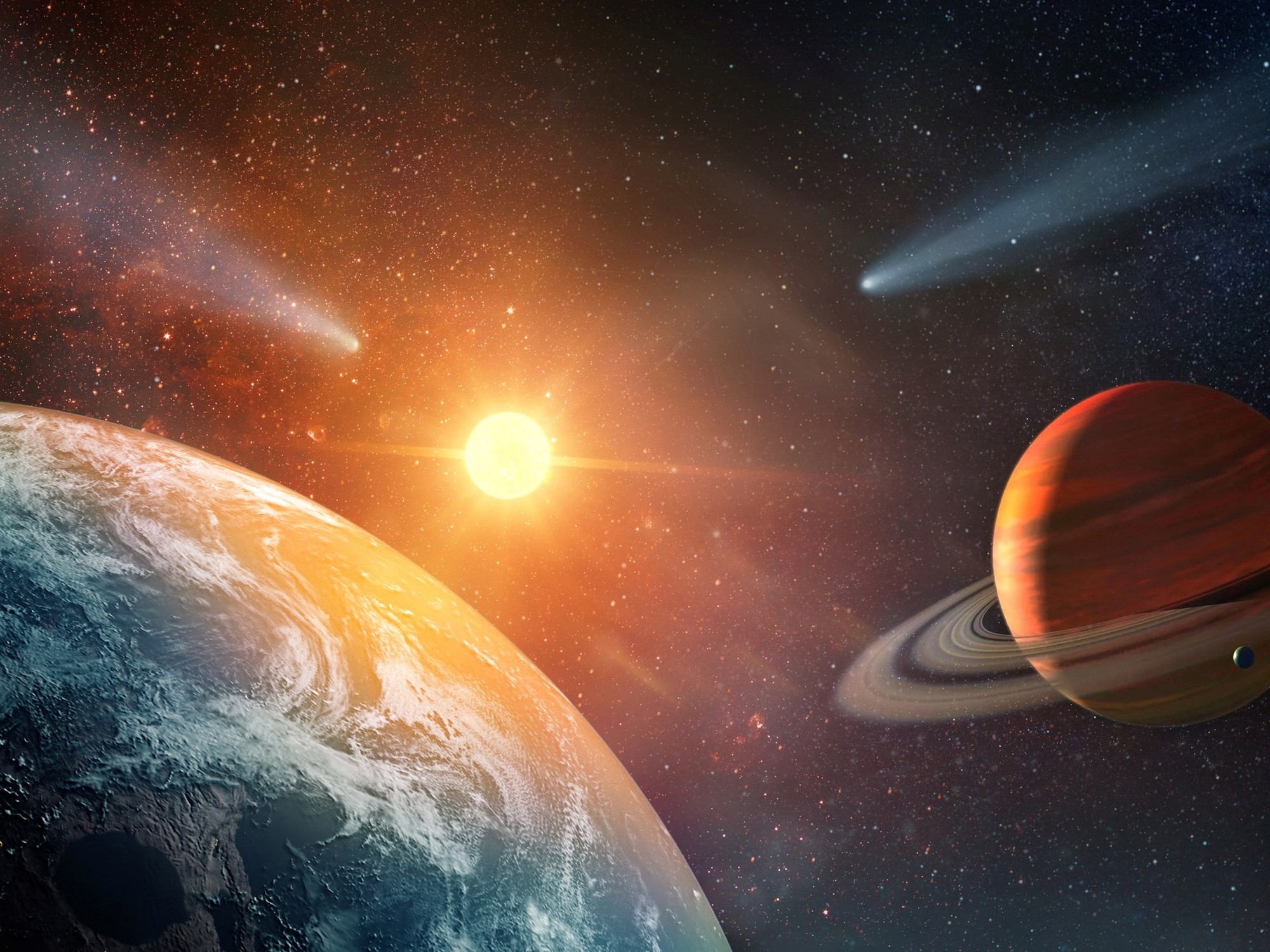
Astronomers may have witnessed a rare and violent cosmic event: the collision of two planets around a young star. This potential observation, detailed in a study published in Nature, offers an extraordinary opportunity to study planetary formation processes in real-time. The event was detected around ASASSN-21qj, a young star similar to our Sun.
Unusual Stellar Brightness Changes
The phenomenon began with an unusual surge in infrared brightness from ASASSN-21qj. This initial spike lasted for approximately 1,000 days, indicating the presence of hot material around 1,000 Kelvin. This excess infrared radiation did not fit the profile of typical stellar activity like sunspots or common dust clouds.
Subsequent Dimming Observed
Following the infrared brightening, the star began to dim significantly in visible light over hundreds of days. This prolonged dimming, combined with the earlier infrared excess, led researchers to investigate further. The pattern suggested that a large cloud of debris had moved into the star’s line of sight.
The Leading Hypothesis: Planetary Impact
The most compelling explanation proposed by the astronomers is that two ice giant exoplanets, with masses ranging from several to tens of Earth masses, collided. Such an impact would have released a tremendous amount of heat, creating an extensive cloud of gas, dust, and rock. This debris cloud, according to the hypothesis, then stretched across the planet’s orbit and eventually passed in front of the star from our perspective, causing the observed dimming.
Amateur and Professional Collaboration
The system ASASSN-21qj was monitored by both professional astronomers and dedicated amateurs. The discovery was prompted when another astronomer noticed the star’s unusual infrared brightening before its subsequent dimming in visible light. This collaborative effort highlights the growing role of citizen science in astronomical research.
Indirect Evidence, Significant Implications
It is crucial to note that astronomers did not directly observe the planets colliding. Instead, they identified indirect signs: changes in brightness, the infrared excess, and the obscuring dust cloud that align with the model of a planetary collision. If this interpretation holds true, the discovery is significant because it could allow scientists to study the composition of the deep interiors of planets, which are normally hidden beneath outer layers. A massive impact could expose or eject this material, offering a unique window into planetary makeup.
Understanding Planetary Systems
This potential observation also aids in understanding how planetary systems form and evolve. The leading hypothesis for the formation of Earth and its Moon involves a giant impact in the early Solar System. Witnessing a similar process around another star allows for direct comparison between theoretical models and observational data, advancing our knowledge of cosmic nurseries.
Datos clave
Event: Potential planetary collision
Star System: ASASSN-21qj
Observed Phenomena: Infrared brightening followed by visible light dimming
Hypothesis: Collision of two ice giant exoplanets
Published In: Nature
While the case of ASASSN-21qj still leaves some questions unanswered, it presents a rare glimpse into the aftermath of a cosmic crash between worlds, observed as it unfolds. This breakthrough could revolutionize our understanding of planetary dynamics and the violent yet creative processes that shape the universe.
Fuente: Clarin Deportes, https://www.clarin.com/estados-unidos/astronomos-dan-credito-podrian-presenciado-colision-planetas-espacio_0_Lrz6EDaHyj.html
Datos clave
| Punto | Detalle |
|---|---|
| Fuente | Clarin Deportes |
| Fecha | 2026-05-28T00:55:24+00:00 |
| Tema | Los astrónomos no dan crédito: podrían haber presenciado la colisión de dos planetas en el espacio |
Source
Clarin Deportes Original publication: 2026-05-28T00:55:24+00:00
Related news
Celtic’s Champions League Collapse: A Timeline of the LASK Disaster
Celtic threw away a 4-0 aggregate lead against LASK in the Champions League qualifiers, suffering a humiliating 5-4 defeat after extra time.…
Read story
Body of Missing 5-Year-Old Belgian Boy Likely Found Near Football Club; Father Still Missing
The body of 5-year-old Tyméo Brigou, missing since late June, has likely been found in a wooded area just two kilometers from…
Read story
Serie A clubs Lazio and Fiorentina show interest in free agent Mauro Icardi
The 33-year-old Argentine striker remains a free agent after leaving Galatasaray, with Lazio and Fiorentina both considering a move before the Italian…
Read story
Therian Interrupts “Aura Farming” Gathering in La Plata, Gets Escorted Out by Crowd
A person identifying as a therian briefly disrupted a large "aura farming" meetup in La Plata's Plaza Moreno on Saturday, only to…
Read story