
Mastering the Press: How Away Teams Counter Aggressive High-Pressing Tactics
Discover how elite away teams adapt their tactics to overcome aggressive high-pressing opponents, especially in the high stakes of the Champions League. We delve into strategic adjustments, player roles, and the psychological battle.
The modern game of football is often defined by its intensity, and few tactical approaches embody this more than the high press. When an opponent, particularly at home, employs an aggressive high press, it presents a unique challenge for the away team. In competitions like the UEFA Champions League, where margins are razor-thin and stakes are incredibly high, mastering the art of breaking this press becomes paramount for success. This article delves into how away teams strategically adapt to and dismantle aggressive pressing tactics, transforming a potential weakness into an opportunity.
The fundamental premise of an aggressive high press is to win the ball back high up the pitch, close to the opponent’s goal, thereby creating immediate scoring opportunities and stifling their build-up play. For an away team, dealing with this pressure is not merely about survival; it’s about executing a plan that allows them to retain possession, progress the ball, and ultimately, create chances of their own.
Understanding the High Press
Before dissecting the countermeasures, it’s crucial to understand the mechanics of an effective high press. It typically involves:
- Coordinated Movement: Not just one or two players, but an entire unit moving in sync to cut off passing lanes and isolate the ball carrier.
- Trigger Points: Specific actions or passes from the opponent (e.g., a slow pass to a full-back, a central defender receiving the ball facing their own goal) that initiate the press.
- Numerical Superiority: Often, the pressing team aims to create a temporary numerical advantage in the area where the ball is, overwhelming the opponent.
- Intensity and Stamina: Requires immense physical exertion and mental focus to sustain for prolonged periods.
For an away team, the challenge is compounded by the hostile environment, which can amplify the perceived pressure and lead to hasty decisions.
Strategic Adjustments for Away Teams
Tactical Flexibility and Formation Shifts
Away teams often arrive with a pre-planned strategy, but aggressive pressing can force immediate adjustments. Managers might opt for a system that provides more passing options out of the back or allows for quicker transitions.
- Adding an extra midfielder: A common tactic to create a numerical advantage in the build-up phase, giving more passing options to the centre-backs and goalkeeper. This can shift a 4-3-3 to a 4-2-3-1 or even a 3-5-2.
- Dropping a false nine: A striker dropping deep into midfield can draw a centre-back out of position, creating space behind the defensive line for wingers or attacking midfielders to exploit.
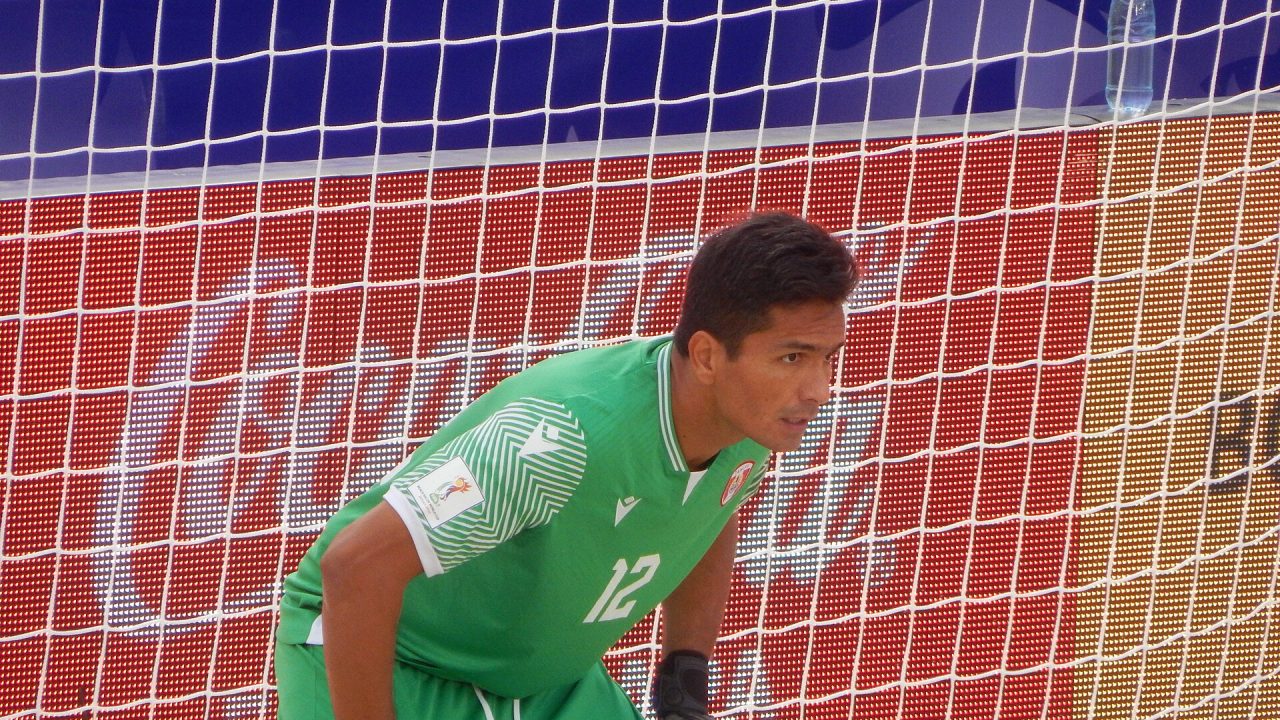
Goalkeeper as the First Playmaker
In the face of an aggressive press, the goalkeeper’s role transcends shot-stopping. They become an integral part of the build-up, often acting as the deepest playmaker.
- Composed Distribution: The ability to accurately pass short to defenders under pressure or launch precise long balls to advanced players.
- Decision-Making: Knowing when to play short and when to go long is critical. A poorly executed short pass can lead to a turnover in a dangerous area, while an aimless long ball surrenders possession.
- Drawing the Press: A goalkeeper’s composure can draw pressing players further up, opening up space in midfield or behind the defensive line.
Exploiting Space and Quick Transitions
The inherent risk of a high press is the space it leaves behind the pressing line. Successful away teams are adept at exploiting these gaps.
- Verticality: Rather than endlessly circulating the ball, the aim is to quickly move the ball forward once the initial press is bypassed. This often involves bypassing the midfield entirely with direct passes to wingers or strikers.
- Third-Man Runs: A player passing the ball then immediately making a run into space, allowing a third player to play the ball into their path. This can disorganize a pressing structure.
- Counter-Attacks: If the press is successfully broken, the opponent’s defensive structure can be exposed, leading to rapid counter-attacks. This requires forwards and wingers to be ready to sprint into advanced positions immediately.
Press Resistance in Midfield
Midfielders are the lynchpin in breaking the press. Their ability to receive the ball under pressure, turn, and distribute is vital.
- Body Orientation: Receiving the ball on the half-turn or with an open body shape allows players to see more of the pitch and make quicker decisions.
- First Touch: A clean first touch that moves the ball away from immediate pressure is invaluable.
- Ball Retention Skills: Dribbling in tight spaces and using feints to evade pressing players.
Key Player Roles and Examples
Different players contribute to breaking the press in distinct ways:
| Player Role | Contribution to Breaking the Press | Example (Champions League) |
|---|---|---|
| Goalkeeper | Composed distribution, long-range passing accuracy, drawing press. | Ederson (Manchester City), Alisson (Liverpool) |
| Centre-Backs | Ball-carrying ability, accurate short/medium passing, composure. | Ruben Dias (Manchester City), Virgil van Dijk (Liverpool) |
| Defensive Mid | Receiving under pressure, shielding the ball, quick distribution. | Rodri (Manchester City), Casemiro (Real Madrid/Man Utd) |
| Wingers | Exploiting wide spaces, quick transitions, stretching the defense. | Vinicius Jr. (Real Madrid), Kylian Mbappé (PSG) |
| Striker | Holding up the ball, intelligent runs, dropping deep (false nine). | Harry Kane (Bayern Munich), Karim Benzema (ex-Real Madrid) |
The Psychological Battle
Beyond the tactical board, the psychological aspect plays a significant role. An aggressive home crowd and relentless pressing can be intimidating.
- Composure Under Pressure: Elite teams and players show remarkable composure, resisting the urge to panic and clear the ball aimlessly.
- Mental Fortitude: The ability to stick to the game plan even when mistakes happen or the pressure is intense.
- Communication: Constant communication between players helps maintain shape, identify passing options, and alert teammates to pressing triggers.
Data-Driven Insights
Modern football increasingly relies on data to analyze tactical effectiveness. Coaches will study:
- Pass completion rates under pressure: Identifying players who struggle or excel.
- Progressive passing statistics: How often and effectively the team moves the ball forward.
- Turnovers in defensive third: A critical metric to gauge the success of the opponent’s press and the away team’s vulnerability.
- Space creation metrics: Analyzing where and when space is created behind the pressing lines.
This data informs tactical adjustments, player selections, and training drills, helping teams refine their away-game strategy when facing an aggressive press.
What Remains Uncertain and Why it Matters
While general principles exist, the specific execution against an aggressive press always carries an element of uncertainty.
- Opponent’s Adaptability: How quickly will the pressing team adjust their press if the away side is successfully bypassing it? Will they drop deeper, or will they press even harder?
- Individual Errors: Even the best-drilled teams are susceptible to individual mistakes under intense pressure, which can instantly turn the tide of a match.
- Game State: A team’s strategy might change if they are leading or trailing, impacting how they choose to break the press (e.g., more conservative when ahead, more direct when behind).
For readers, understanding these nuances highlights the chess match aspect of top-level football. It’s not just about who has the better players, but who can outwit the other tactically and mentally, especially when the away-game strategy needs to overcome an aggressive high-pressing opponent. The ability to effectively counter an aggressive press is often a hallmark of Champions League contenders, separating the good teams from the truly elite.
Reader Takeaways
- The high press is a coordinated team effort, not just individual sprints. Understanding this helps appreciate the complexity of breaking it.
- Goalkeepers are crucial to build-up play against a press. Their distribution and decision-making are as important as their shot-stopping.
- Exploiting space behind the press is key. Away teams look for quick, vertical passes to punish the opponent’s commitment.
- Mental composure is as vital as tactical execution. Panic can unravel even the best plans.
- Tactical flexibility is a hallmark of successful away teams. Managers must be ready to adapt their formation and approach.
Ultimately, an away team’s ability to navigate and dismantle an aggressive high press is a testament to their tactical intelligence, technical skill, and mental resilience. In the cauldron of the Champions League, these attributes often dictate who progresses and who falters.
Related news
Jesse Marsch says Canada “not afraid” as USMNT friendly intensifies rivalry
Canada coach Jesse Marsch has welcomed the pressure of facing the United States, stating his team is “not afraid” as the two…
Read story
Scotland vs Slovenia: Nations League Group B1 Clash at Hampden Park
Scotland and Slovenia meet at Hampden Park in a pivotal Nations League Group B1 encounter, with both sides level on four points…
Read story
Padres Turn to Robbie Ray for NLDS Game 1 Start as Walker Buehler Goes on Paternity List
San Diego Padres manager Craig Stammen named Robbie Ray the starter for Game 1 of the NL Division Series against Milwaukee after…
Read story
Serie A Clubs Hit by Friendly Upsets as Juventus and Napoli Fall, Milan Draw
Juventus and Napoli suffered surprise defeats in midweek friendlies, while Milan were held by Padova. Frosinon e were the only Serie A…
Read story