Brazil’s 1994 World Cup Quest: A Look Back at Expectations Before Ending the Drought
A look back at the anticipation surrounding Brazil's 1994 World Cup campaign, as the Seleção aimed to end a 24-year wait for a title, mirroring current sentiments ahead of the tournament in the USA.
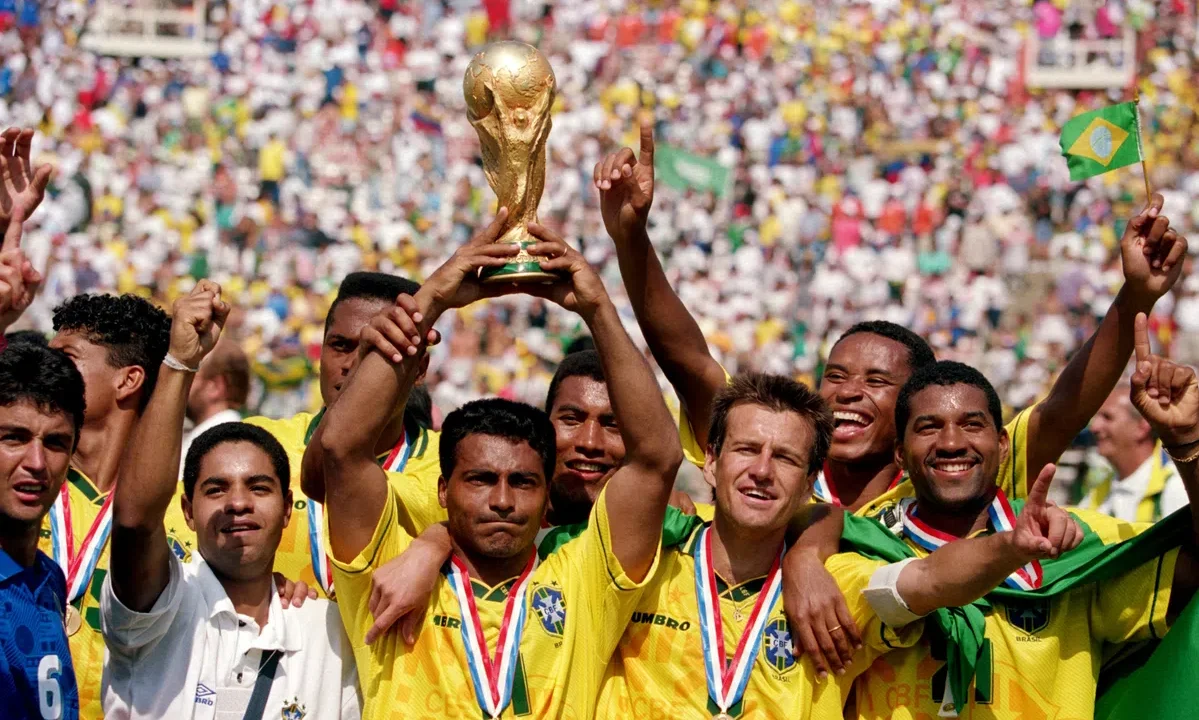
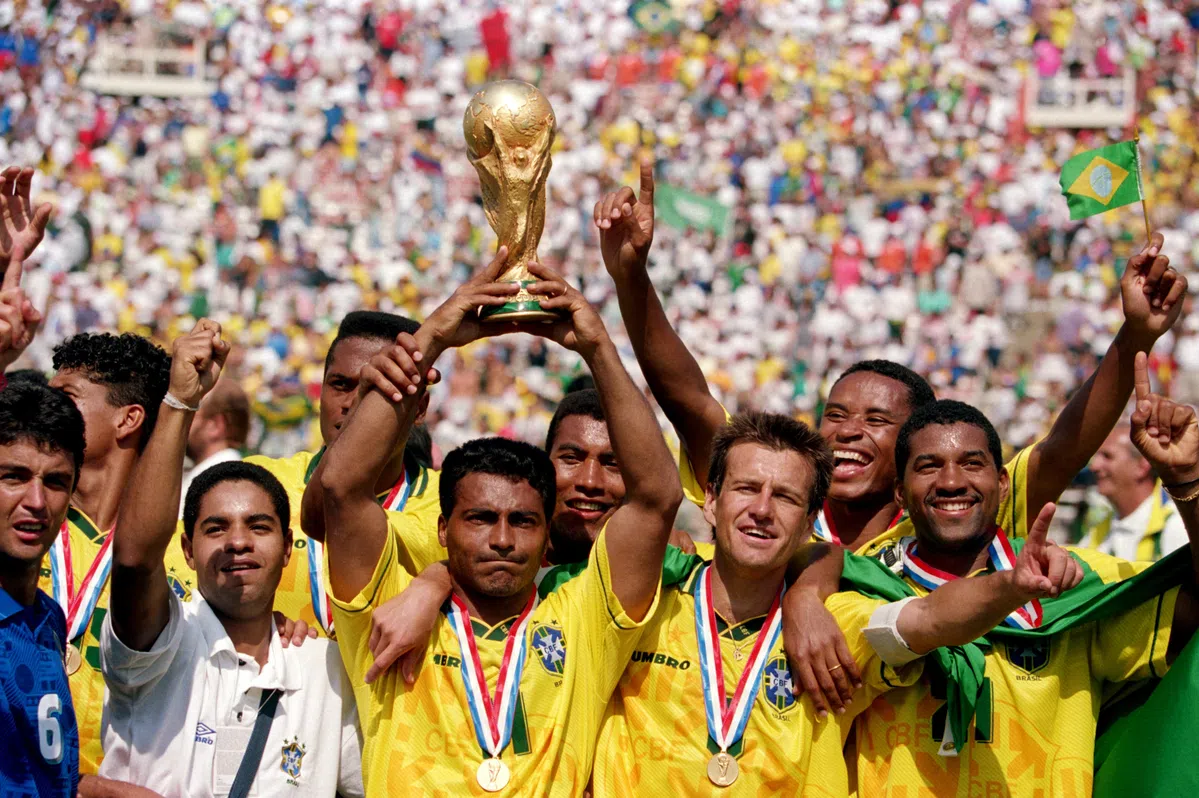
As the football world once again turns its attention to the United States for the upcoming World Cup, memories of 1994 resurface, a tournament where Brazil, after a 24-year hiatus, finally reclaimed their world champion status. This article delves into the perspective surrounding the Seleção in the lead-up to that historic event, examining the pressures and hopes placed upon a nation synonymous with footballing excellence.
The weight of expectation on Brazil in 1994 was immense. The Seleção, a country that had never missed a World Cup, carried the burden of a 24-year wait for their next global crown since their legendary triumph in 1970. This mirrors the current sentiment as the footballing world prepares for another spectacle in the USA. The article highlights how, just as in 1994, the USA was set to co-host the tournament, adding another layer of connection to that significant period. Ultimately, under the leadership of Romário, Brazil broke their drought, but the journey to that victory was fraught with anticipation and critical analysis.
A Rich History, A Present Challenge
Brazil’s footballing legacy is undeniable, built on the foundations of success in the 1950s and 1960s, an era characterized by flair and entertainment, heavily influenced by the magic of Pelé. However, as the sport evolved, blending results with commercial interests in subsequent decades, Brazil often found itself stumbling against the pragmatic and professional approaches of European powerhouses like the Netherlands, Argentina, and Italy. Even in 1986, a tournament where they were expected to contend, a penalty shootout defeat against France marked a disappointing early exit.
Carlos Alberto Parreira, the then-coach, attributed this period of “impotence,” as he termed it, to a degree of arrogance within Brazilian football. He suggested that the nation had rested on its laurels since 1970, neglecting tactical and physical development. Parreira also critiqued the attempt to emulate European styles, notably by appointing Sebastião Lazaroni for the 1990 World Cup, emphasizing the need to maintain Brazil’s unique strengths while adapting to global footballing advancements.
Continental Struggles Amidst Global Ambition
Even within South America, Brazil’s dominance had waned. In the forty years preceding the 1994 World Cup, they had won the Copa América only once, in 1989. Ironically, that crucial final goal against Uruguay was scored by Romário, the very player who would later spearhead their World Cup qualification campaign with two vital goals against the same opponent. This highlighted Romário’s importance and the team’s reliance on his individual brilliance.
Romário himself acknowledged the team’s inherent talent but pointed to a lack of defensive concentration as a key failing in previous years. He expressed confidence in Parreira’s ability to blend European and South American qualities, understanding that while spectacle was cherished by Brazilian fans, results were paramount at the highest level of international competition.
Datos clave
| Aspecto | Detalle |
|---|---|
| Torneo | Copa Mundial de la FIFA 1994 |
| Sede | Estados Unidos |
| Sequía de títulos | 24 años (desde 1970) |
| Figura clave | Romário |
| Entrenador | Carlos Alberto Parreira |
The significance of this historical perspective for FootballGames10 readers lies in understanding the cyclical nature of footballing fortunes and the enduring pressure on nations like Brazil to perform on the world stage. It offers a valuable context for current discussions about team form, tactical approaches, and the psychological aspects of major tournaments, reminding us that even the most storied footballing nations face periods of challenge and introspection.
Fuente: Voetbal International – https://www.vi.nl/pro/toen-een-volwassen-brazili-klaar-was-de-wk-droogte-te-be-indigen
Source
Voetbal International Original publication: 2026-05-31T04:00:00+00:00
Related news
Premier League Predictions: Man United vs Tottenham, Arsenal vs Leeds Headline Saturday’s Fixtures
Sports Mole's roundup of Saturday's Premier League gameweek six predictions, including Manchester United vs Tottenham Hotspur at Old Trafford and Arsenal vs…
Read story
One Injured in Marble Hill Shooting; No Football Disruption Confirmed
A person was hospitalized after a shooting reportedly involving federal agents in New York’s Marble Hill neighborhood. The initial account identifies no…
Read story
Boca vs River Superclásico Confirmed for November 1 at La Bombonera
The Argentine Professional League has set the date and time for the next Boca Juniors vs River Plate Superclásico, scheduled for Sunday,…
Read story
Harry Kane equals Peter Shilton’s England caps record with two goals in Nations League win over Czechia
Harry Kane scored twice on the night he equalled Peter Shilton’s all-time England appearance record, leading the Three Lions to a 3-0…
Read story