Protests Erupt at Cannes Film Festival Over Canal+ and Bolloré’s Media Influence
Booing targets Canal+ at the Cannes Film Festival as 3500 film professionals and international stars sign a petition against media mogul Vincent Bolloré's expanding control over French cinema.
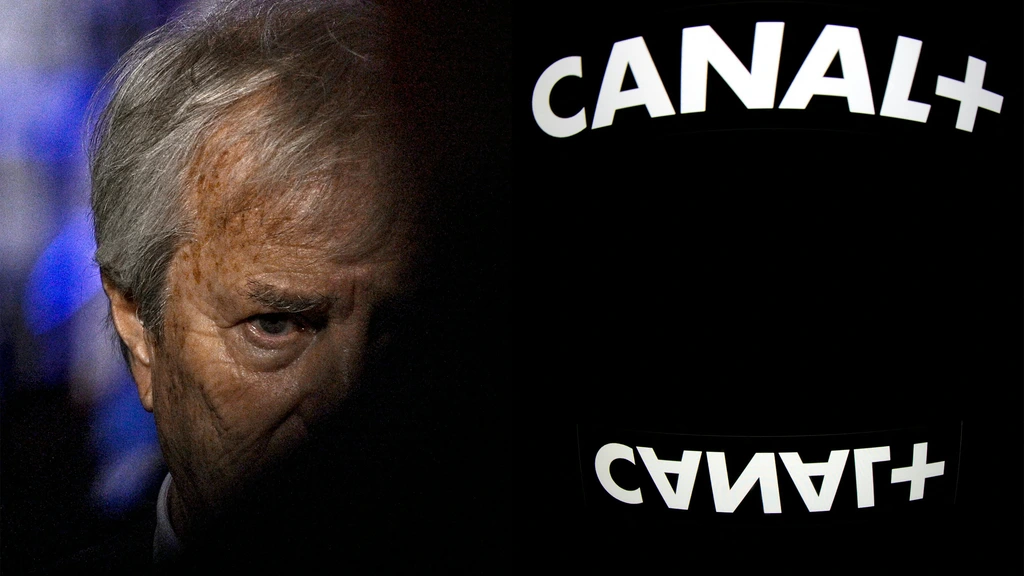
The prestigious Cannes Film Festival has become a stage for significant dissent this week, with boos and a rapidly growing petition targeting Canal+, a major financier and producer within French cinema. These protests are a direct response to the expanding influence of media magnate Vincent Bolloré, who holds a majority stake in Canal+.
During various screenings at the festival, the customary acknowledgments of production companies and financial partners were met with loud booing whenever Canal+ appeared on screen. This was notably observed during the showing of “Full Phil,” the latest film from French director Quentin Dupieux, according to reports from NOS Voetbal.
The Genesis of the Protest
The movement against Bolloré’s influence began early in the festival with a petition launched by 600 French film professionals. This petition has since gained considerable traction, with the number of signatories now exceeding 3500. Among those who have publicly supported the initiative are internationally renowned actors Javier Bardem and Mark Ruffalo, and acclaimed directors Ken Loach, Aki Kaurismäki, and Yorgos Lanthimos. Prominent French figures, including actress Juliette Binoche (known for “Chocolat” and “The English Patient”) and director Arthur Harari (“Anatomy of a Fall”), have also added their names to the petition.
The core concern revolves around Groupe Bolloré’s strategic moves to consolidate power across the French media and film landscape. A significant development occurred in November when Canal+ acquired a third of the shares in UGC, one of France’s largest cinema chains, production houses, and distributors. The Bolloré group has stated its intention to secure full control of UGC by 2028. Film professionals involved in the protest fear that such an acquisition would give Bolloré unprecedented control over the entire film production chain, from initial financing to final distribution on both small and large screens. A primary apprehension, as reported by NOS Voetbal, is that this consolidation could lead to the prioritization of right-wing propaganda films, thereby stifling independent cinematic creation and artistic freedom.
Bolloré’s Extensive Media Holdings
Bolloré’s media empire extends far beyond his stake in UGC and majority ownership of Canal+. His portfolio is vast, encompassing a range of significant media outlets. These include several French television channels, notably the perceived radical-right CNews (often referred to as France’s equivalent of Fox News). Additionally, he owns the well-known radio station Europe 1, the influential weekly newspaper Le Journal du Dimanche, and StudioCanal, which stands as one of Europe’s largest film production companies. His holdings also include a significant stake in the publishing group Hachette, various news channels, a newspaper, and the magazine Paris Match.
The backlash from Canal+ leadership has also added another layer to the controversy. Maxime Saada, CEO of Canal+, reportedly issued a threat at the festival, stating that the company would cease collaborations with any individuals who signed the petition. This potential “blacklist” aims to exclude producers and actors critical of Bolloré, although the practical implementation and its full implications remain unclear. It’s worth noting that Canal+ also operates as a subscription-based streaming service in the Netherlands.
Wider Cultural and Political Implications
The current protests at Cannes are not isolated incidents but reflect long-standing anxieties within France’s cultural and journalistic sectors concerning Bolloré’s growing influence. Earlier this year, more than 130 authors resigned from the prestigious publishing house Grasset, part of the Hachette group, to protest the dismissal of its director. In an open letter, these authors stated their refusal to be “hostages of an ideological war aimed at imposing authoritarianism everywhere in culture and the media,” even though the specific reasons for the director’s departure were not publicly disclosed. Calls for boycotts have also emerged, targeting L’Olympia, Paris’s oldest concert hall, after singer-songwriter Dominique A announced his refusal to perform there, prompting other artists to consider similar actions.
Bolloré, described as a devout Catholic who reportedly confesses twice a week, maintains strong connections within the French political elite. He has close ties to former President Nicolas Sarkozy and prominent far-right politicians such as Marine Le Pen and Éric Zemmour. Critics accuse him of leveraging his extensive media assets to amplify right-wing and nationalist ideologies within French public discourse. There are also fears among the petition signatories that Bolloré’s media influence could significantly impact the upcoming French presidential elections. Further complicating his public image, Bolloré is scheduled to appear in court in December to face corruption charges related to election campaigns in Togo and Guinea. He is accused of having aided presidential candidates in exchange for port concessions during his tenure as chairman of Groupe Bolloré.
Key Details of the Cannes Protest
- Event: Cannes Film Festival
- Primary Target: Canal+ / Vincent Bolloré
- Action: Booing, petitions, boycott considerations
- Petition Signatories: 3500+ film professionals and international stars
- Main Concerns: Control of film production chain, potential right-wing propaganda, artistic freedom
The protests at Cannes underscore a significant cultural and political debate in France regarding media ownership, its influence, and the potential ramifications for artistic freedom and public discourse. While FootballGames10 primarily focuses on sports, the broader media landscape significantly impacts how sports content is produced, distributed, and consumed. The concentration of media power, as exemplified by Bolloré’s growing empire, can influence everything from broadcasting rights to the narratives presented around sporting events, making these developments relevant to understanding the ecosystem surrounding football.
Source: NOS Voetbal – https://nos.nl/l/2615495
Source
NOS Voetbal Original publication: 2026-05-23T04:31:15+00:00
Related news
One Injured in Marble Hill Shooting; No Football Disruption Confirmed
A person was hospitalized after a shooting reportedly involving federal agents in New York’s Marble Hill neighborhood. The initial account identifies no…
Read story
Boca vs River Superclásico Confirmed for November 1 at La Bombonera
The Argentine Professional League has set the date and time for the next Boca Juniors vs River Plate Superclásico, scheduled for Sunday,…
Read story
Harry Kane equals Peter Shilton’s England caps record with two goals in Nations League win over Czechia
Harry Kane scored twice on the night he equalled Peter Shilton’s all-time England appearance record, leading the Three Lions to a 3-0…
Read story
Jesse Marsch says Canada “not afraid” as USMNT friendly intensifies rivalry
Canada coach Jesse Marsch has welcomed the pressure of facing the United States, stating his team is “not afraid” as the two…
Read story