
The Art of Risk Control in Champions League Knockout Ties
Delve into how Champions League knockout ties are decided, focusing on the intricate balance of risk and reward over 180 minutes. We explore the tactical nuances, strategic decisions, and psychological pressures that shape the outcomes of Europe's premier club competition.
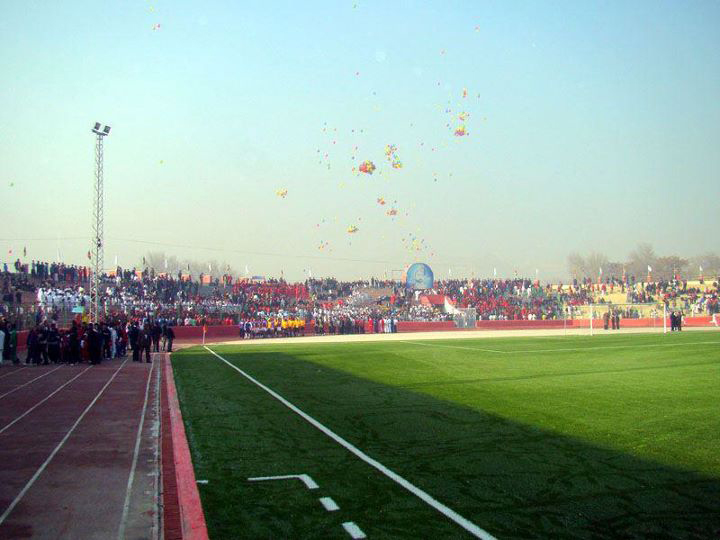
The UEFA Champions League knockout stage is a crucible where footballing narratives are forged and legends are made. Unlike the round-robin group stage, these ties are a relentless 180-minute examination of a team’s tactical acumen, physical endurance, and mental fortitude. But more than anything else, success in these high-stakes encounters often hinges on a masterclass in risk control. It’s not just about scoring goals; it’s about managing the game across two legs, understanding momentum, and making calculated decisions that balance ambition with caution.
Understanding the unique format of Champions League knockout ties is crucial to appreciating the role of risk. The aggregate scoreline over two matches, coupled with the now-abolished away goals rule (a significant shift that altered tactical approaches), means that every moment, every pass, every tackle carries magnified importance. A single mistake can be fatal, but an overly conservative approach can also lead to stagnation and eventual defeat. The delicate dance between attack and defence, between pushing for a lead and protecting what you have, defines these epic contests.
The Tactical Chess Match Across Two Legs
Managers and their coaching staff spend weeks, if not months, dissecting opponents, looking for weaknesses to exploit and strengths to nullify. This preparation extends beyond individual players to systemic tactical patterns. The first leg, often played at one team’s home ground, presents a unique strategic challenge. Does the home team go all out for a commanding lead, risking exposure? Or do they prioritize a clean sheet, aiming to take a level or slight deficit to the away leg with the hope of striking there?
Historically, many teams preferred to secure a positive result at home – a win, ideally without conceding. However, the removal of the away goals rule has subtly shifted this dynamic. Conceding a goal at home is no longer as penalizing as it once was, potentially encouraging a slightly more adventurous approach from the home side. Conversely, an away team might feel less pressure to score, focusing instead on defensive solidity and hitting on the counter.
The second leg, especially if the tie is finely poised, is where the true test of nerve and tactical flexibility comes into play. Managers must react to the flow of the game, make timely substitutions, and adjust formations to either chase a goal or shut down an opponent. The psychological pressure intensifies, and the ability to maintain composure under dument is paramount.
The Evolution of Risk Management
Modern football has seen a significant evolution in how teams manage risk. Data analytics plays an increasingly vital role, providing insights into opponent tendencies, player fatigue, and the optimal moments for tactical shifts. Teams no longer rely solely on intuition; every decision, from pressing triggers to defensive shapes, is often informed by extensive statistical analysis.
For instance, a team might identify that an opponent is vulnerable to counter-attacks after committing too many players forward. This information can then be used to craft a game plan that absorbs pressure and then transitions quickly. Conversely, if an opponent is known for their defensive solidity, a team might focus on sustained possession and intricate passing patterns to break them down, accepting the inherent risks of committing many players high up the pitch.
Another aspect of risk management involves player fitness and squad rotation. Managers often face the dilemma of resting key players for domestic competitions versus fielding their strongest XI in the Champions League. A fatigued star player can be a liability, increasing the risk of mistakes or injuries. Balancing these demands across a long season is a constant challenge for top clubs.
Key Elements of Risk Control in Knockout Football
Several factors contribute to successful risk control in the Champions League knockout stage:
- Defensive Organisation: A well-drilled defence is the bedrock of any successful Champions League campaign. Minimizing clear-cut chances for the opponent, blocking shots, and effectively dealing with set pieces are fundamental.
- Midfield Control: Dominating the midfield allows a team to dictate the tempo of the game, win second balls, and control possession. This reduces the opponent’s opportunities to attack and helps mitigate defensive risks.
- Clinical Finishing: While risk control often focuses on preventing goals, scoring them is equally important. Taking chances when they arise is crucial, as missed opportunities can be severely punished in tight encounters.
- Game Management: Understanding when to push for a goal, when to slow the tempo, and when to sit deeper and absorb pressure is a skill that comes with experience and tactical awareness. This includes strategic fouling, time-wasting (within reason), and intelligent use of substitutions.
- Psychological Resilience: The ability to withstand pressure, recover from setbacks, and maintain focus for 180 minutes is a hallmark of Champions League winners. Mental errors often lead directly to goals conceded.
Consider the recent tactical shifts following the abolition of the away goals rule. Teams are now less incentivized to sit back and protect a slim lead at home if they’ve scored, knowing that a single away goal from the opponent doesn’t carry the same weight as before. This has arguably led to more open, attacking football in some ties, as teams feel slightly more freedom to pursue victory rather than solely focusing on not conceding.
Example of Risk vs. Reward Decisions
Let’s consider a hypothetical scenario: a team is playing the first leg at home, leading 1-0 in the 80th minute.
| Decision | Potential Reward | Potential Risk | Outcome Implications |
|---|---|---|---|
| Push for a second goal | A more comfortable aggregate lead. | Conceding on the counter, making the second leg harder. | Could seal the tie or leave them vulnerable. |
| Defend the 1-0 lead | Preserve the lead, take a clean sheet into the away leg. | Invite pressure, potentially concede a late equalizer. | Ensures a positive result but doesn’t guarantee progression. |
| Introduce attacking sub | Inject fresh impetus, threaten opponent’s tired defence. | Lose defensive solidity, unbalance team structure. | High-risk, high-reward move. |
| Introduce defensive sub | Bolster defence, shut down opposition attacks. | Reduce attacking threat, invite more pressure. | Prioritizes security over expansion of lead. |
This table illustrates the constant trade-offs managers face. Every decision is a calculated gamble, with potential rewards and inherent risks. The best managers are those who can accurately assess these factors in real-time and make the calls that maximize their team’s chances of progression.
Actionable Takeaways for Football Fans
- Watch the first 15 minutes of the second leg closely: This period often sets the tone and reveals the tactical intentions of both teams.
- Analyze substitutions: Managerial changes often indicate a shift in risk appetite – are they going for it, or shoring things up?
- Pay attention to midfield battles: Control in the centre of the park is often a precursor to control over the match itself.
- Don’t overreact to early goals: A quick goal can change the dynamic, but experienced teams know how to manage the game for the remaining 170+ minutes.
Ultimately, the Champions League knockout ties are a testament to the beautiful complexity of football. They are not merely contests of skill but intricate battles of wits, where the ability to manage risk over 180 minutes often separates the victors from the vanquished. The team that best understands this delicate balance, that can adapt and execute under immense pressure, is usually the one that lifts the coveted trophy.
Related news
Jesse Marsch says Canada “not afraid” as USMNT friendly intensifies rivalry
Canada coach Jesse Marsch has welcomed the pressure of facing the United States, stating his team is “not afraid” as the two…
Read story
Scotland vs Slovenia: Nations League Group B1 Clash at Hampden Park
Scotland and Slovenia meet at Hampden Park in a pivotal Nations League Group B1 encounter, with both sides level on four points…
Read story
Padres Turn to Robbie Ray for NLDS Game 1 Start as Walker Buehler Goes on Paternity List
San Diego Padres manager Craig Stammen named Robbie Ray the starter for Game 1 of the NL Division Series against Milwaukee after…
Read story
Serie A Clubs Hit by Friendly Upsets as Juventus and Napoli Fall, Milan Draw
Juventus and Napoli suffered surprise defeats in midweek friendlies, while Milan were held by Padova. Frosinon e were the only Serie A…
Read story