
Dutch Air Passenger Numbers Decline for First Time Since Pandemic
For the first time since the COVID-19 pandemic, the number of air passengers at Dutch airports saw a decline in the first quarter of 2026, a report from the Central Bureau for Statistics (CBS) indicates.
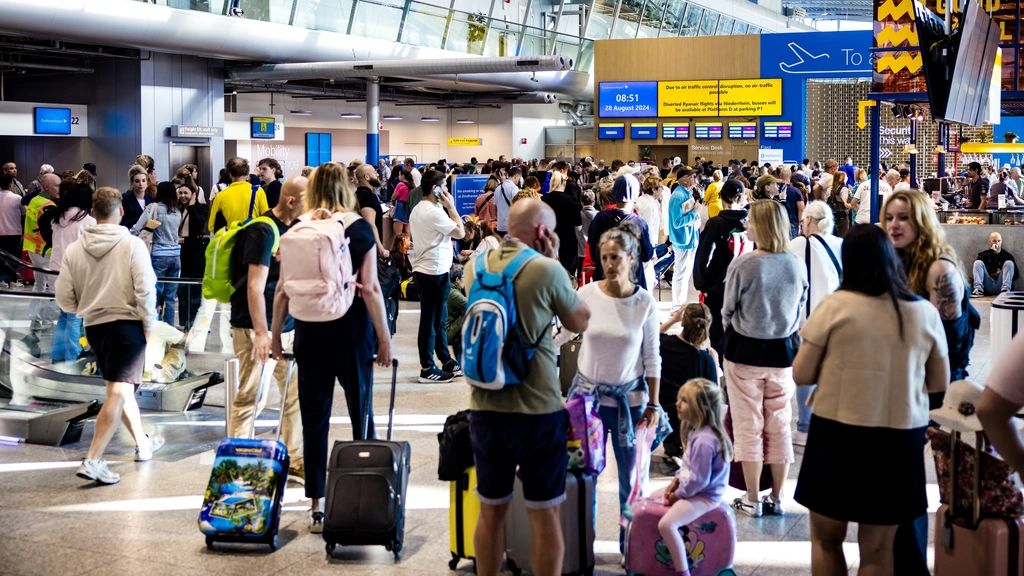
Dutch air passenger numbers have experienced their first reduction since the onset of the COVID-19 pandemic, according to a recent report by the Central Bureau for Statistics (CBS). The initial months of 2026 recorded a slight decrease in air travelers compared to the same period in the preceding year, marking a notable shift after a period of post-pandemic recovery.
Key Figures from Q1 2026
Between January and March 2026, a total of 16.2 million passengers traveled by air to and from Dutch airports. This figure represents a decrease from the 16.6 million passengers recorded during the first quarter of 2025. The data encompasses traffic from major Dutch airports, including Rotterdam, Eindhoven, Maastricht, Groningen, and the primary international hub, Schiphol. This 2.4% drop signals a new trend in air travel patterns for the Netherlands.
Schiphol’s Significant Drop
As the dominant gateway for air traffic in the Netherlands, Amsterdam Airport Schiphol naturally bore the brunt of this decline. The airport witnessed the most substantial decrease in both passenger volume and flight operations. According to the CBS, passenger numbers at Schiphol fell by approximately 3%, while the number of flights experienced an even sharper reduction, decreasing by more than 6%. This disproportionate drop at the country’s largest airport highlights its sensitivity to external factors affecting air travel.
Contributing Factors: Winter Weather and Geopolitics
The CBS attributes the overall decrease in air traffic to a confluence of factors. One significant contributor was the severe winter weather that gripped the Netherlands in early January. Heavy snowfall led to widespread disruptions and numerous flight cancellations. On Wednesday, January 7th, alone, nearly 400 flights were grounded due to adverse conditions, directly impacting passenger numbers for the quarter.
Beyond domestic weather, geopolitical tensions in the Middle East also played a crucial role. Following airstrikes conducted by the U.S. and Israel against Iran in late February, large sections of airspace in the region were closed. This closure had a direct ripple effect on international air travel, particularly affecting flights connecting to and from countries such as Israel, Jordan, Qatar, Saudi Arabia, and the United Arab Emirates. The resulting reduction in these key international routes directly contributed to a decrease in passenger traffic at Dutch airports. KLM, for example, has announced the cancellation of flights to Dubai, Riyadh, and Dammam until the end of June, underscoring the ongoing impact of regional instability on long-haul travel.
What This Means for Travelers and the Aviation Sector
This decline represents a significant turning point after a period of sustained growth following the global pandemic. While the overall decrease is relatively modest, it underscores the aviation sector’s inherent vulnerability to external shocks, ranging from unpredictable weather patterns to complex international conflicts. For football enthusiasts and fans of Dutch clubs, this could translate into fewer direct flight options or increased travel times for international matches or fan trips, particularly to regions affected by ongoing geopolitical issues. The continued uncertainty in the Middle East, as evidenced by KLM’s extended cancellations, suggests that flight availability and passenger numbers could remain under pressure in the near to medium term. The CBS report serves as a critical indicator of how global events directly influence national and international travel dynamics, impacting everything from tourism to business and even sports-related travel.
Summary of Key Trends
- Total Passengers: Down 2.4% | First decline since COVID-19 pandemic
- Schiphol Passenger Drop: ~3% decrease | Largest impact at primary Dutch airport
- Schiphol Flight Drop: >6% decrease | More flights cancelled than passenger drop
- Key Causes: Winter weather, M. East conflict | External shocks on travel patterns
Source: NOS Voetbal (https://nos.nl/l/2615354)
Source
NOS Voetbal Original publication: 2026-05-22T04:30:01+00:00
Related news

Celtic’s Champions League Collapse: A Timeline of the LASK Disaster
Celtic threw away a 4-0 aggregate lead against LASK in the Champions League qualifiers, suffering a humiliating 5-4 defeat after extra time.…
Read story
Body of Missing 5-Year-Old Belgian Boy Likely Found Near Football Club; Father Still Missing
The body of 5-year-old Tyméo Brigou, missing since late June, has likely been found in a wooded area just two kilometers from…
Read story
Serie A clubs Lazio and Fiorentina show interest in free agent Mauro Icardi
The 33-year-old Argentine striker remains a free agent after leaving Galatasaray, with Lazio and Fiorentina both considering a move before the Italian…
Read story
Therian Interrupts “Aura Farming” Gathering in La Plata, Gets Escorted Out by Crowd
A person identifying as a therian briefly disrupted a large "aura farming" meetup in La Plata's Plaza Moreno on Saturday, only to…
Read story