England vs. Argentina: A World Cup Semi-Final Steeped in Historical Bad Blood
The upcoming World Cup semi-final between England and Argentina is more than just a football match, carrying a heavy legacy of controversy, political tension, and deep-seated animosity dating back decades.

The upcoming FIFA World Cup 2026 semi-final between England and Argentina is poised to be more than just a game; it’s a fixture steeped in a complex tapestry of emotions, controversies, and historical feuds that transcend the sport. Argentina coach Lionel Scaloni has called for calm, emphasizing that it is “a football game,” but the weight of history suggests otherwise.
A Rivalry Forged in Controversy
The rivalry’s modern footballing genesis is often traced back to the 1986 World Cup quarter-final. In a span of four minutes, Diego Maradona etched his name into World Cup lore with both the infamous “Hand of God” goal and the “goal of the century.” The controversial handball, which replumed the match for Argentina, has remained a deeply contentious point for England, while Maradona himself viewed the goals as a form of “revenge” for the Falklands War.
The Falklands Factor
Beyond the pitch, the animosity between England and Argentina is deeply intertwined with the Falklands War of 1982. Britain’s claim to the islands, known as “Las Malvinas” in Argentina, led to a conflict that resulted in significant casualties. The historical narrative in Argentina often frames the 1986 World Cup victory as symbolic retribution for this war, a sentiment that continues to resonate within the national team’s identity, as evidenced by player chants invoking Maradona and “the boys from Malvinas.”
Early Tensions and Modern Enmity
The bad blood predates 1986, with England manager Alf Ramsey describing Argentinian players as “animals” after a heated 1966 World Cup quarter-final. Subsequent meetings in 1998, marked by David Beckham’s red card, and 2002 further fueled the intense rivalry. Even as squads change, the historical context – particularly the Falklands dispute and the “Hand of God” incident – continues to shape the narrative and anticipation surrounding each encounter.
Key facts
| Aspect | Detail |
|---|---|
| Match | FIFA World Cup 2026 Semi-Final |
| Teams | England vs. Argentina |
| Historical Flashpoint | 1986 World Cup Quarter-Final (Hand of God, Goal of the Century) |
| Political Context | Falklands War (1982) / Las Malvinas dispute |
| Manager Statements | Lionel Scaloni emphasizes “a football game,” acknowledging tough opponent |
For FootballGames10 readers, this upcoming semi-final is not just about the current teams’ form or tactics. It’s a chance to witness a match that carries the weight of decades of sporting and political history, a clash where national pride and historical grievances are as much a part of the spectacle as the goals themselves. The enduring intensity of the England-Argentina rivalry ensures that this World Cup semi-final will be a highly charged and closely watched affair.
Source: The Athletic Football, https://www.nytimes.com/athletic/7445802/2026/07/15/england-argentina-world-cup-highlights-history/
Source
The Athletic Football Original publication: 2026-07-15T04:15:44+00:00
Related news
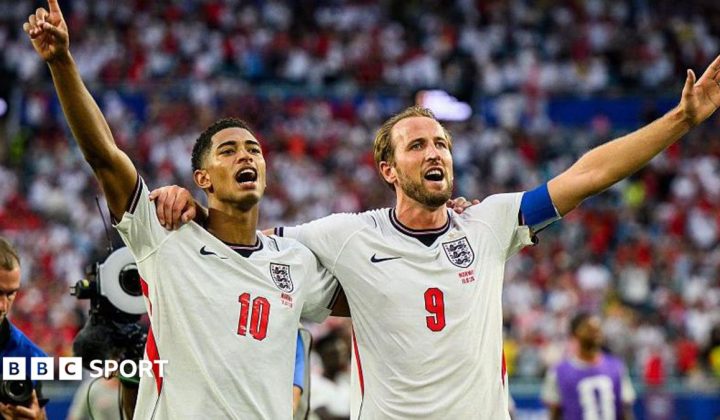
Wayne Rooney Names Jude Bellingham World Cup’s Best Player
Former England striker Wayne Rooney has lauded Jude Bellingham as the standout player of the current World Cup, citing the midfielder's impactful…
Read story
Spanish Footballer’s Superiority Touted by National Team Coach
Following their World Cup final appearance, Spain's national team coach Luis de la Fuente praised the nation's footballing culture, asserting that Spanish…
Read story
Rights Group Files New Complaint Against FIFA President Infantino with IOC
A human rights organization has lodged a fresh complaint with the International Olympic Committee (IOC) against FIFA President Gianni Infantino, alleging violations…
Read story
Barcelona’s Striker Search: Exploring Julian Alvarez Alternatives Amidst Transfer Stalemate
With the pursuit of Julian Alvarez facing significant hurdles, Barcelona is reportedly evaluating a list of alternative forward targets, including Victor Osimhen…
Read story