
England’s World Cup Journey: A Third-Place Finish and Lingering Questions
England secured their best men's World Cup performance in 60 years with a third-place finish, but questions remain about manager Thomas Tuchel's tactics and the team's overall potential.
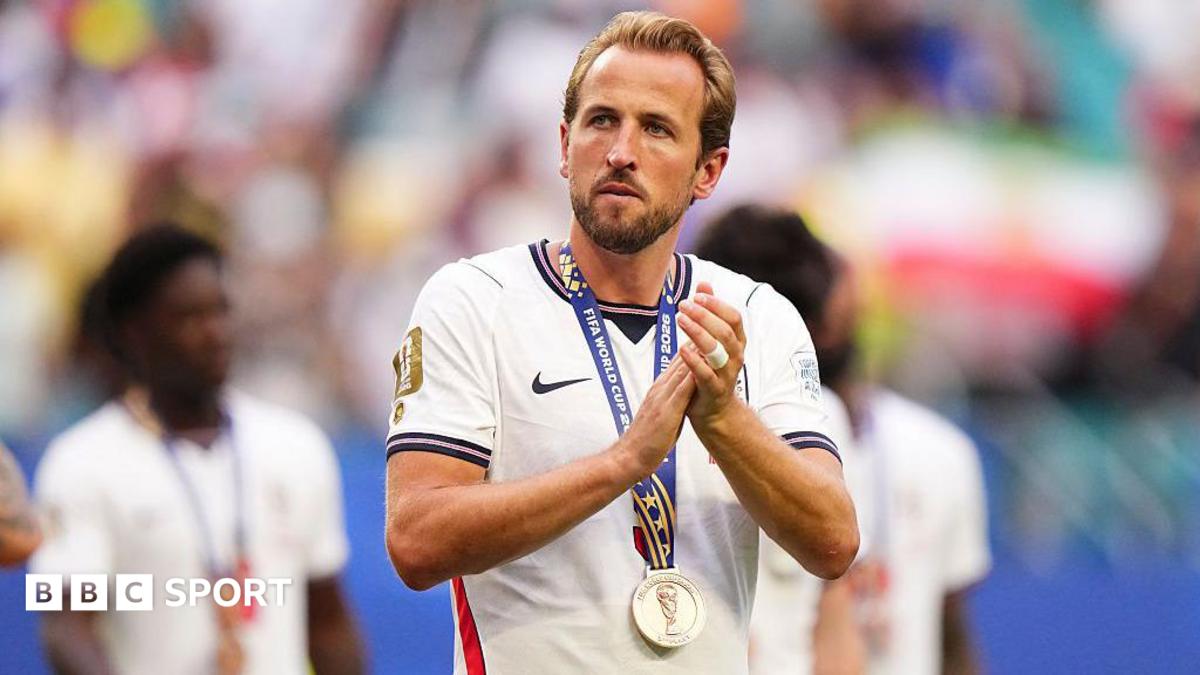
England’s men’s national team has achieved its best World Cup outcome in 60 years, securing a third-place finish in the 2026 tournament. This achievement, their best since winning on home soil in 1966, saw them reach the semi-finals for only the third time in that period. However, the campaign is not without its controversies and debates, particularly surrounding manager Thomas Tuchel’s tactical decisions and the team’s performance in crucial matches.
The thrilling 6-4 victory over France in the third-place play-off capped off a tournament that has left many questioning whether England’s success has been under-appreciated or if it represents another missed opportunity. Despite entering the tournament ranked fourth globally, the journey was marred by reports of internal disagreements regarding Tuchel’s tactics and a significant second-half collapse against Argentina in the semi-finals.
Managerial Scrutiny
Thomas Tuchel, brought in to overcome previous World Cup barriers, faced intense scrutiny after the semi-final exit. While possessing extensive knockout-stage experience from his club career, his approach when the pressure was highest has been called into question. The team’s passive strategy against Argentina, which ultimately led to their defeat, has been cited as a primary reason for the disappointment. This has led to a debate about whether this World Cup will be viewed as a failure or simply a repeat of past shortcomings.
Internal Dynamics and Fan Reaction
The mood within the England camp following the semi-final loss was reportedly deflated. Assistant manager Anthony Barry described the players as “playing a game with broken hearts” in the third-place play-off. Reports have also emerged of player misgivings about Tuchel’s late-game substitutions and tactical adjustments against Argentina, which were perceived as overly defensive by some within the squad.
This internal discontent, coupled with a visibly angry fan reaction, including Tuchel being booed before the match against France, raises questions about the FA’s commitment to the manager. While the FA publicly reaffirmed its support for Tuchel immediately after the Argentina game and intends for him to remain in charge for Euro 2028, the ongoing discussions and fan sentiment could influence future decisions. An end-of-tournament review is expected, where the semi-final defeat will undoubtedly be a focal point.
Key Performers and Future Prospects
Stars like Harry Kane and Jude Bellingham were instrumental in England’s progress, dragging the team through several crucial matches. Bellingham finished the tournament with seven goals, one ahead of Kane. However, attention is already shifting towards the future. The question of whether Kane, who will be 36 by the 2030 World Cup, will participate in another tournament remains open.
Young talents like Djed Spence also earned plaudits for their performances, with Spence’s goal-saving challenge against Argentina drawing particular attention. Bukayo Saka and Anthony Gordon each contributed three assists, though questions linger about whether Saka’s full potential was showcased. With many of these players still young, including Arsenal’s Bukayo Saka at 24, future World Cups remain a possibility.
Looking Ahead to Euro 2028 and Beyond
England’s next major tournament is Euro 2028, and the team faces the challenge of evolving its style of play. Tuchel’s approach, which has been described as mirroring a Premier League style with physicality, needs to adapt to ensure England can compete for titles. The emergence of exciting young talents such as 17-year-old Rio Ngumoah and 16-year-old Max Dowman offers potential additions to the squad.
The team’s six-goal display against France, where Tuchel appeared to loosen tactical constraints, demonstrated their attacking capabilities. However, the fundamental puzzle of how to translate this potential into consistent tournament success, especially against strong European rivals like France and Spain, remains unsolved. The pressure is on Tuchel to develop a more potent, resilient, and less one-dimensional England side capable of winning major honors, a feat they have not achieved since 1966.
Key facts
| Aspect | Detail |
|—|—|
| Tournament | 2026 FIFA World Cup |
| England’s Finish | Third Place |
| Best Since | 1966 (Winners) |
| Manager | Thomas Tuchel |
| Key Players | Harry Kane, Jude Bellingham |
The team’s ability to manage pressure, develop a consistent winning mentality, and find the tactical flexibility to overcome top opposition will be crucial as they look towards Euro 2028 and the 2030 World Cup. The path forward requires Tuchel to integrate emerging talent and devise strategies that make England a more complete and formidable force on the international stage.
Source: BBC Sport Football – https://www.bbc.co.uk/sport/football/articles/c78g1p05025o?at_medium=RSS&at_campaign=rss
Datos clave
| Punto | Detalle |
|---|---|
| Fuente | BBC Sport Football |
| Fecha | 2026-07-19T00:23:05+00:00 |
| Tema | England's best World Cup for 60 years – but how should it be judged? |
Source
BBC Sport Football Original publication: 2026-07-19T00:23:05+00:00
Related news
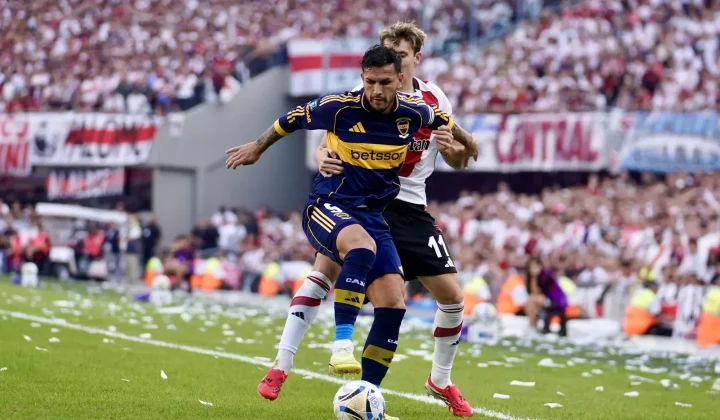
Boca vs River Superclásico Confirmed for November 1 at La Bombonera
The Argentine Professional League has set the date and time for the next Boca Juniors vs River Plate Superclásico, scheduled for Sunday,…
Read story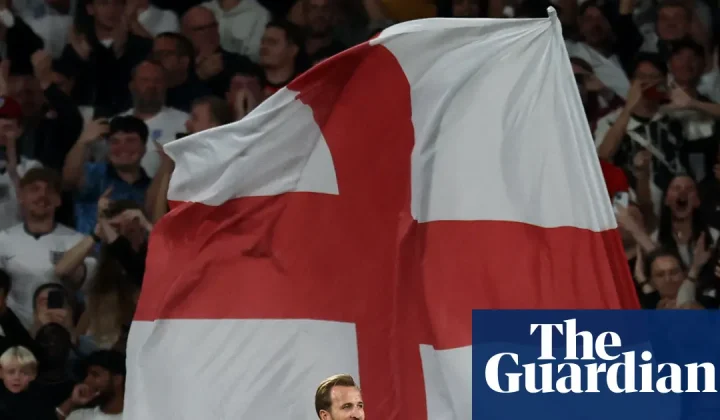
Harry Kane equals Peter Shilton’s England caps record with two goals in Nations League win over Czechia
Harry Kane scored twice on the night he equalled Peter Shilton’s all-time England appearance record, leading the Three Lions to a 3-0…
Read story
Jesse Marsch says Canada “not afraid” as USMNT friendly intensifies rivalry
Canada coach Jesse Marsch has welcomed the pressure of facing the United States, stating his team is “not afraid” as the two…
Read story
Scotland vs Slovenia: Nations League Group B1 Clash at Hampden Park
Scotland and Slovenia meet at Hampden Park in a pivotal Nations League Group B1 encounter, with both sides level on four points…
Read story