
The European Grind: How Continental Competitions Strain Bundesliga’s Smaller Squads
Explore how the demanding schedules of European club competitions disproportionately affect Bundesliga teams with limited squad depth, examining the physical toll, tactical challenges, and long-term implications for domestic performance.

The allure of European football – the UEFA Champions League, Europa League, and Europa Conference League – is undeniable for any Bundesliga club. It offers prestige, significant financial rewards, and a chance to test oneself against the continent’s elite. However, for teams with more modest budgets and, consequently, smaller squads, this dream can quickly turn into a grueling marathon, stretching resources to their absolute limit. The relentless rhythm of midweek European fixtures coupled with demanding Bundesliga weekends creates a unique challenge that often impacts domestic performance and player well-being.
The Double-Edged Sword of European Qualification
For clubs outside the traditional Bundesliga giants like Bayern Munich or Borussia Dortmund, qualifying for Europe is a monumental achievement. Teams such as SC Freiburg, Union Berlin, or even Eintracht Frankfurt in recent history, have often punched above their weight to secure these coveted spots. Yet, their squad planning and financial structures are typically not designed for the rigors of competing on two or even three fronts simultaneously.
While top clubs can rotate a squad of 25-30 high-caliber players without a significant drop-off in quality, smaller Bundesliga teams often rely heavily on a core group of 12-15 key individuals. Beyond this core, the difference in quality or experience can be substantial. This disparity becomes glaring when injuries, suspensions, or simply cumulative fatigue begin to set in, forcing coaches to field less experienced or less match-fit players in crucial encounters.
The financial injection from European participation is vital, but it often arrives after the season, making it challenging to invest heavily in squad depth before the European campaign begins. This creates a cyclical challenge: success leads to more games, which demands more players, but the funds for those players often lag behind the immediate need.
Physical and Mental Toll: The Impact of European Schedules
The most immediate and apparent consequence of a packed European schedule for Bundesliga clubs with smaller squads is the physical strain on players. A typical week for a non-European participant involves one match, allowing ample time for recovery, tactical preparation, and minor injury management. For a team in the Europa League or Conference League, a week could involve a Sunday Bundesliga game, a Thursday European fixture, and then another Bundesliga match on the following Sunday.
This compressed schedule significantly reduces recovery time. Players are often traveling internationally midweek, returning exhausted with little opportunity for proper rest or intensive training sessions. This constant state of high-intensity play with insufficient recovery is a prime environment for increased injury risk. Muscle strains, ligament issues, and general burnout become more common, sidelining key players and further depleting an already thin squad.
Moreover, the mental toll should not be underestimated. The pressure to perform in high-stakes European matches, combined with the need to maintain domestic form, can be immense. Young players, in particular, may struggle with the psychological demands of constant travel, varied opponents, and the relentless cycle of preparation and execution.
Tactical Flexibility and Squad Management Challenges
Coaches of Bundesliga clubs with smaller squads face an unenviable dilemma. Do they prioritize European glory, potentially sacrificing domestic league points, or do they focus on Bundesliga safety, risking early exits from continental competitions? The answer often lies in a delicate balancing act.
Tactical preparation also suffers. With less time between games, in-depth analysis of upcoming opponents and extensive training on new tactical setups become difficult. Coaches often rely on established systems and quick adjustments, which can be exploited by better-rested or deeper-squad opponents.
A table illustrating the typical fixture load highlights the stark difference:
Competition LoadWeekly MatchesRecovery Days (Typical)TravelBundesliga Only15-6DomesticBundesliga & Europa League22-3International + DomesticBundesliga & Champions League22-3International + DomesticBundesliga & DFB-Pokal (Midweek)22-3Domestic
Note: Recovery days are approximate, assuming Sunday-Thursday-Sunday schedule.
This condensed schedule forces coaches to rotate players, but the quality drop-off can be significant. It also means less continuity, potentially affecting team cohesion and understanding on the pitch. Young prospects might be thrust into demanding situations before they are fully ready, impacting their development or confidence.
Case Studies and Long-Term Implications
While specific examples vary each season, the pattern is recurrent. A Bundesliga team performs admirably in the first half of the season, often fueled by the excitement of European qualification. As the European group stages conclude and the knockout rounds begin, or even simply as the physical toll accumulates, their domestic form often dips. Points are dropped against teams they might otherwise beat, leading to a slide down the Bundesliga table.
For instance, a club making a deep run in the Europa Conference League might find itself battling relegation in the Bundesliga by springtime, simply due to sheer exhaustion and a stretched squad. This can have long-term implications, affecting future transfer budgets, fan engagement, and the ability to retain key players who might seek clubs with more robust infrastructure or less demanding schedules.
This phenomenon underscores the importance of strategic squad planning, even for clubs with limited resources. Investing in versatile players, nurturing academy talents, and having robust medical and sports science departments become paramount to navigating the challenges of European football successfully.
Mitigating the Strain: What Can Be Done?
While the fundamental financial disparity remains, Bundesliga clubs with smaller squads are increasingly looking for ways to mitigate the strains of European competition:
Smart Recruitment Strategies
Focusing on players with high fitness levels, versatility, and experience in demanding schedules is crucial. Identifying talents who can cover multiple positions reduces the need for a larger overall squad, offering efficiency and flexibility.
Academy Integration and Youth Development
Developing a strong youth system to provide cost-effective options for squad rotation is vital. Promoting young players who can step up, even if only for cup games or specific European group stage matches, is crucial for both immediate relief and long-term sustainability.
Advanced Sports Science and Recovery
Investing in cutting-edge recovery methods, nutrition, and sports psychology helps optimize player well-being. This proactive approach minimizes injury risk and ensures players are in peak condition for the packed fixture list.
Strategic Player Rotation
Accepting that not every game can be played with the absolute strongest XI and making calculated decisions about player rest, especially in less critical Bundesliga fixtures around European ties, is a tactical necessity. This preserves key players for decisive matches.
Financial Prudence and Sustainable Growth
Using European prize money wisely to build sustainable squad depth over several seasons rather than splurging on one or two marquee signings is a more effective long-term strategy. This incremental approach allows clubs to gradually strengthen their roster without overextending financially.
The desire to compete in Europe is a driving force for many Bundesliga clubs. However, understanding and preparing for the unique challenges that come with a smaller squad is vital for sustained success both domestically and on the continental stage. It’s a delicate dance between ambition and realism, where strategic planning and robust infrastructure are just as important as on-field talent.
Related news
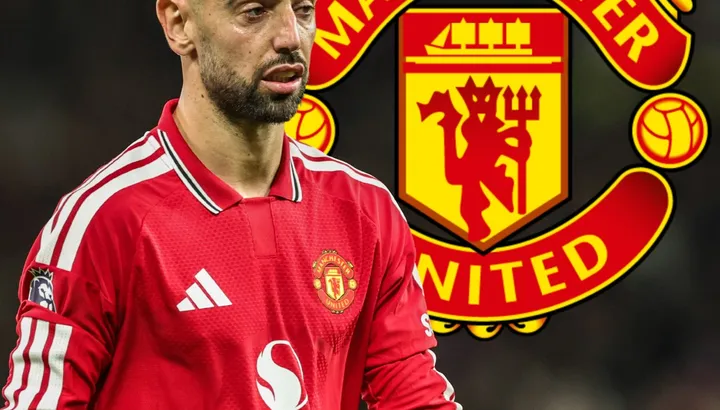
Bruno Fernandes Contract Talks Underway as Man United Face Key Summer Decisions
Manchester United are in active discussions with captain Bruno Fernandes over a contract extension, according to reports, as the 32-year-old enters the…
Read story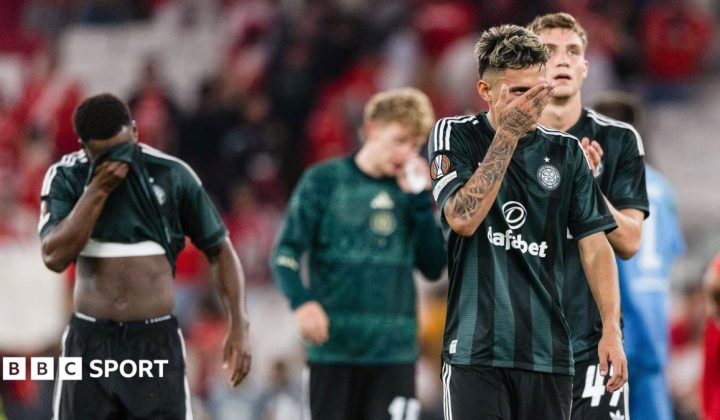
Celtic’s Europa League struggles deepen as Benfica expose familiar flaws
A 4-1 defeat in Lisbon leaves Celtic with two losses from two Europa League group games. Martin O’Neill sees positives in the…
Read story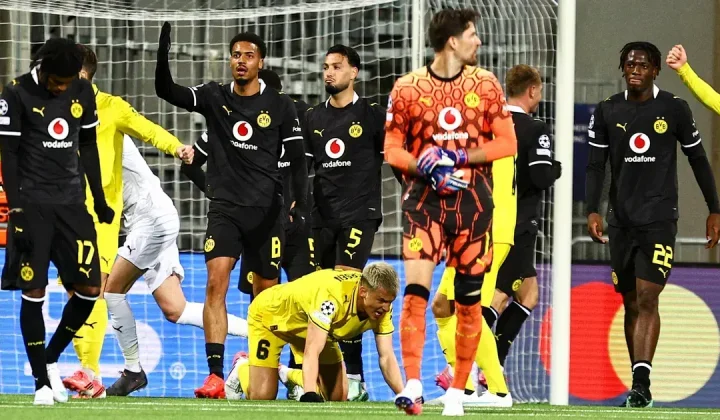
Borussia Dortmund Fall to Bodø/Glimt in Champions League Shock
Fredrik Sjøvold’s second-half strike gave the Norwegian side a 1-0 win over Niko Kovač’s Dortmund, who struggled to break down a disciplined…
Read story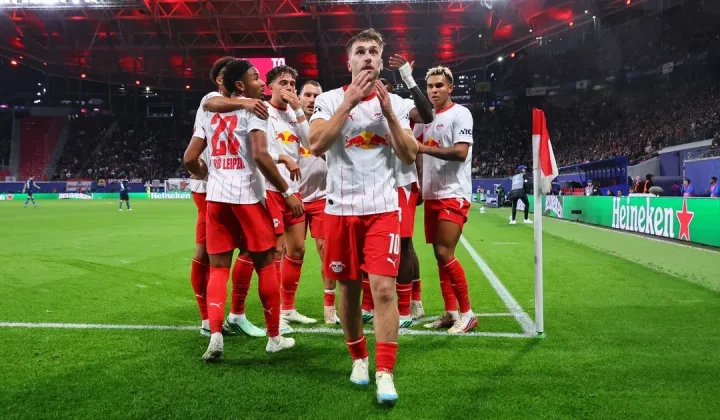
Brajan Gruda Strike Gives RB Leipzig 1-0 Champions League Win Over PSV
Brajan Gruda scored in the 75th minute after Maarten Vandevoordt saved an Ivan Perisic penalty as RB Leipzig defeated PSV Eindhoven 1-0.
Read story