FIFA Reverses Water Bottle Ban for World Cup 2026 After Widespread Criticism
Following significant backlash from politicians, fan groups, and health experts, FIFA has reinstated its policy allowing fans to bring water bottles into World Cup 2026 stadiums, though the new rule currently excludes Mexico.
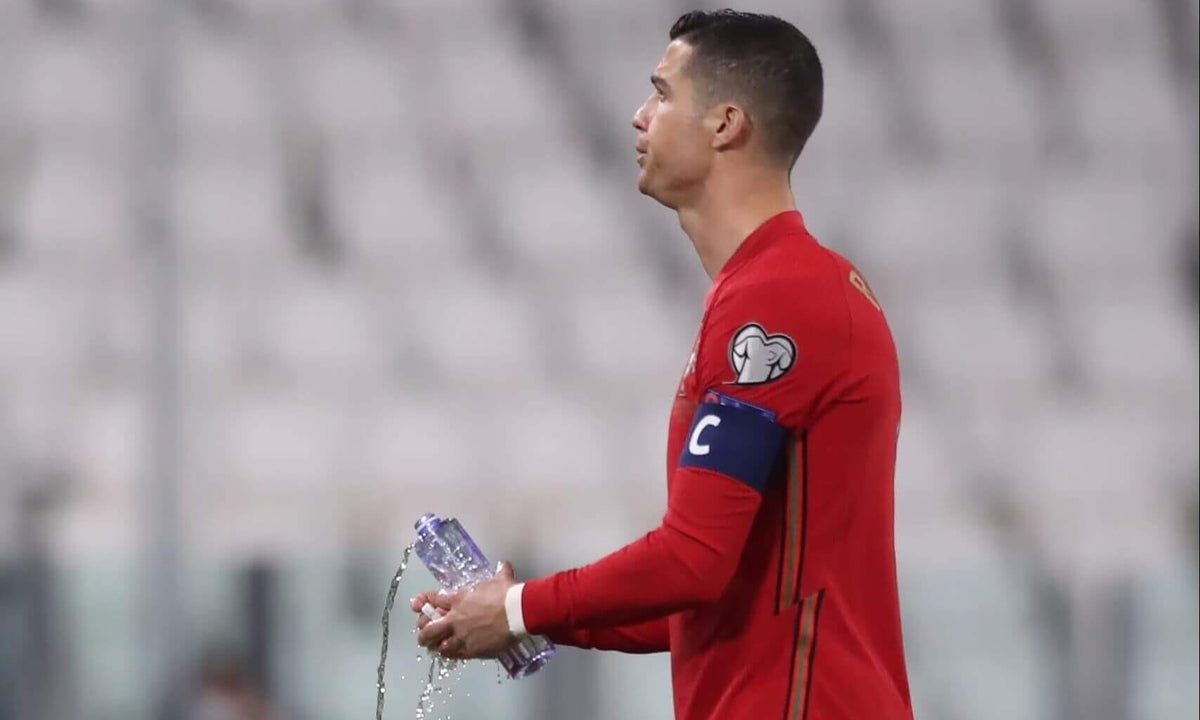
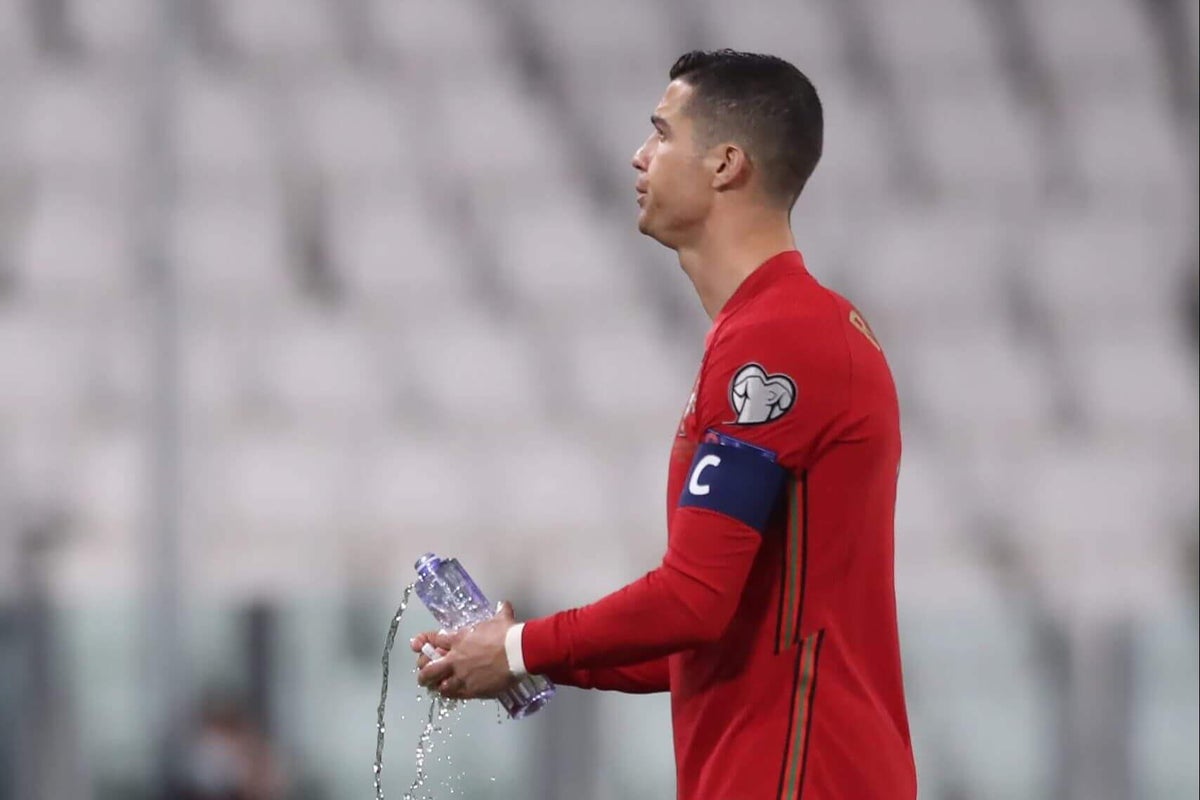
FIFA has once again altered its policy regarding water bottles at World Cup 2026 stadiums, now permitting fans to bring them in, a move that comes after considerable global criticism. However, this revised rule currently does not extend to venues located in Mexico.
Initial Stance and Subsequent Reversal
Last week, FIFA’s policy allowed supporters to bring empty, transparent plastic bottles of up to 1 liter into stadiums, with the intention of fans refilling them at designated water fountains. This initial guidance was then abruptly changed on June 2, with an updated stadium code of conduct explicitly stating that “reusable water bottles may not be brought into the stadium.” This revision implied that attendees would be limited to purchasing beverages from concession stands.
Commercial Interests and Public Outcry
The shift away from allowing reusable bottles immediately drew sharp criticism, with many suspecting a motivation to increase revenue from soft drink sales, a significant income stream for FIFA, particularly through its partnership with Coca-Cola. Toronto Mayor Olivia Chow described the decision as a “pure money grab,” while New York City mayor Zohran Mamdani voiced concerns and pledged to investigate the matter.
FIFA initially defended its decision, citing safety and security reasons. A statement to The Athletic claimed the ban was to “mitigate risks to players and spectators” and to align with regulations at some World Cup venues. However, reporting indicated that 10 out of the 16 World Cup stadiums typically permit fans to bring empty bottles. Furthermore, internal concerns were reportedly raised by FIFA’s own safety and security teams about the potential impact of the ban on fans coping with North American summer heat. Sources suggested that commercial considerations heavily influenced the policy reversal. While Coca-Cola sources denied involvement in the decision-making process, the timing and nature of the policy shifts fueled public suspicion.
The pressure mounted with comments from UK Prime Minister Keir Starmer, who deemed FIFA’s stance “wrong” and “about making money.”
Clarification and New Guidelines
In response to the escalating backlash, FIFA World Cup 2026 Chief Operating Officer Heimo Schirgi released a video statement on Friday evening. He clarified that fans will now be allowed to bring “one, soft, plastic 20oz (590ml), factory sealed disposable water bottle” into matches held in the United States and Canada. Schirgi emphasized that hard-sided reusable bottles would not be permitted due to safety and security concerns. He also held up a bottle of Smart water, a Coca-Cola brand, during the announcement. A FIFA spokesperson later confirmed to The Athletic that bottles up to 590ml would be allowed.
Crucially, Schirgi’s statement did not mention Mexico, leaving fans attending matches in Mexico City, Monterrey, and Guadalajara uncertain about their access to water. The Athletic has sought clarification from FIFA on this exclusion.
Implications for Fan Experience and Health
This policy change is particularly significant given the potential for extreme heat during the World Cup. A May report by World Weather Attribution scientists indicated that a substantial number of matches could be played in conditions with high Wet Bulb Globe Temperatures (WBGT), a measure of heat stress. The ability for fans to stay hydrated is a critical health and safety concern, especially for those attending matches for extended periods.
The reversal of the ban, at least in the US and Canada, is a victory for fan advocacy groups and health experts who argued that the initial policy was both impractical and potentially harmful. The move is seen as a necessary step to ensure a more comfortable and safe experience for attendees at the global tournament.
Datos clave
| Aspect | Details |
|---|---|
| Initial Policy | Empty, transparent plastic bottles allowed |
| Revised Policy | Reusable bottles banned |
| New Policy (US/Canada) | One 590ml factory-sealed soft plastic bottle |
| Exclusion | Mexico |
| Reason for reversal | Widespread criticism, fan/health concerns |
This development matters to FootballGames10 readers as it directly impacts the fan experience at the highly anticipated World Cup 2026. Ensuring access to water is a fundamental aspect of stadium attendance, especially in potentially hot weather conditions, and this policy shift addresses a significant concern for supporters planning to attend matches.
Fuente: The Athletic Football (https://www.nytimes.com/athletic/7337158/2026/06/05/fifa-water-bottles-world-cup-stadiums-u-turn/)
Source
The Athletic Football Original publication: 2026-06-05T23:29:12+00:00
Related news

Jaguares Snatch Dramatic 3-2 Win Over Tolima in Liga BetPlay Relegation Battle
Darwin López scored a 92nd-minute winner as Jaguares de Montería secured only their second victory of the Liga BetPlay 2026-II season, defeating…
Read story
San Lorenzo Seek First Win Under Insua as Riestra Visit in Tense Clausura Clash
Ruben Dario Insua makes several changes to his San Lorenzo lineup as the club seeks its first victory of his third tenure,…
Read story
Premier League Predictions: Man United vs Tottenham, Arsenal vs Leeds Headline Saturday’s Fixtures
Sports Mole's roundup of Saturday's Premier League gameweek six predictions, including Manchester United vs Tottenham Hotspur at Old Trafford and Arsenal vs…
Read story
One Injured in Marble Hill Shooting; No Football Disruption Confirmed
A person was hospitalized after a shooting reportedly involving federal agents in New York’s Marble Hill neighborhood. The initial account identifies no…
Read story