
Friesland Unveils Peace Monument Honoring Belgian Refugees of WWI
A new monument in Friesland commemorates the estimated 2300 Belgian soldiers who found refuge in the region during World War I, highlighting historical parallels to contemporary refugee crises.
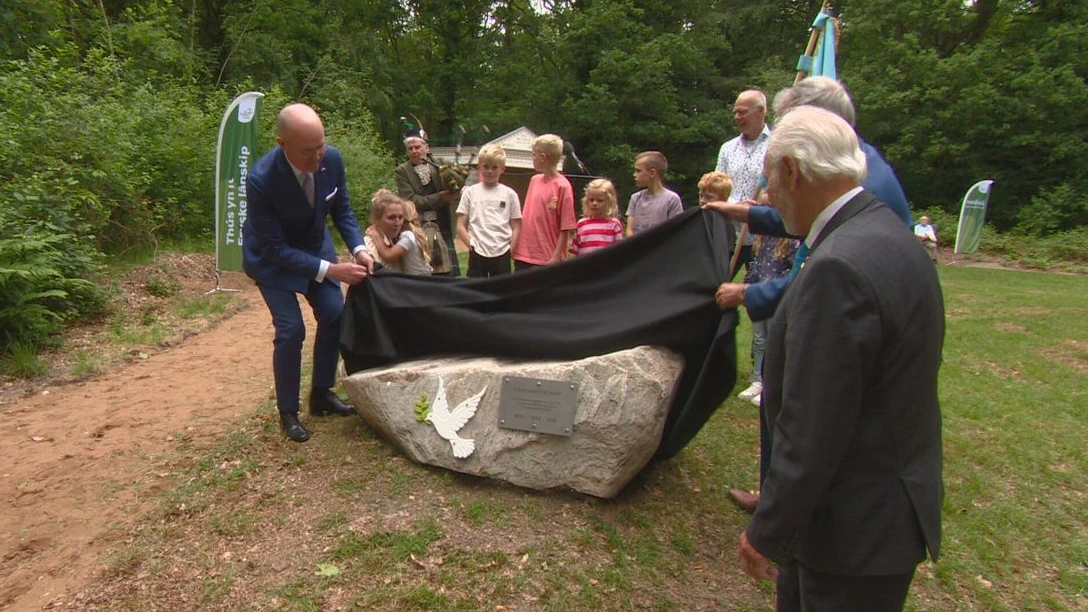
A new peace monument has been inaugurated in a forest in Friesland, the Netherlands, to remember the approximately 2300 Belgian refugees who found shelter in the region during World War I. The unveiling ceremony, attended by local dignitaries and representatives, underscored the enduring relevance of history and the importance of compassion in times of conflict.
Historical Context of Belgian Flight to the Netherlands
During World War I, an estimated one million Belgians fled their country due to the violence and atrocities of the German occupation. This mass exodus led them to seek refuge in neutral the Netherlands. The refugees comprised a significant number of civilians, including women, children, and the elderly, who crossed the border on foot, particularly after the fall of Antwerp in October 1914. In addition to civilians, approximately 35,000 Belgian soldiers also found themselves in the Netherlands.
While many soldiers were housed in designated refugee camps across provinces like Brabant, Utrecht, and the Veluwe, a specific group of 2300 soldiers were accommodated in the wooded areas of Gaasterland in Friesland. They were dispersed throughout the region, living in farms, barracks, tents, and with local families, integrating into the fabric of the community.
Impact on the Local Community
The arrival of such a large number of Belgian refugees had a notable impact on the local population of Gaasterland, which consisted of about 6,500 inhabitants. Henk Luyckx, whose grandfather was one of the Belgian refugees, noted that the influx of “foreigners” with different customs and lifestyles initially presented challenges, stating, “That didn’t always go well.” Despite these initial adjustments, many refugees, like Luyckx’s grandfather, found lasting connections. He fell in love with a Frisian woman and chose to remain in the Netherlands even after his countrymen returned home following the armistice in 1918.
Initiative for the Monument
The idea for the monument originated from Henk Luyckx, who wanted to ensure that the story of the Belgian refugees and their time in Friesland was remembered and commemorated. Initially, he envisioned a peace dove near an existing monument in the Rijsterbos. However, the Frisian landscape association, It Fryske Gea, proposed a more substantial memorial. The result is a large memorial stone situated in the heart of the forest, serving as a testament to both nature’s heritage and human history. Chris Bakker of It Fryske Gea remarked that the landscape now tells the story not only of flora and fauna but also of the people who lived, worked, and sought refuge there.
Echoes of the Past in the Present
The contemporary significance of the monument was highlighted by the Belgian ambassador to the Netherlands, Koen Adam. He drew parallels between the historical situation of Belgian refugees and the current global refugee crises, stating, “There are many wars and many people suffering from them. They seek refuge in other countries.” Ambassador Adam emphasized the monument’s role in carrying forward the message of solidarity and hospitality to future generations. “It is our duty as adults to pass that on and show how we have dealt with comparable situations,” he added.
Henk Luyckx echoed these sentiments, connecting the historical event to modern societal attitudes. He reflected, “We must also extend this to the hardening of society today,” underscoring the importance of remembering the generosity shown to the Belgian soldiers, which allowed individuals like himself to exist. The monument serves as a timely reminder of the need for understanding, hospitality, and engagement when faced with displacement due to war and violence.
Datos clave
| Aspecto | Detalle |
|—|—|
| Evento | Inauguración de un monumento por refugiados belgas de la Primera Guerra Mundial |
| Ubicación | Gaasterland, Friesland, Países Bajos |
| Número de refugiados conmemorados | Aproximadamente 2300 soldados belgas |
| Contexto histórico | Primera Guerra Mundial, huida de Bélgica a los Países Bajos |
| Impulsores | Henk Luyckx (nieto de refugiado), It Fryske Gea |
The unveiling of this peace monument in Friesland is significant for FootballGames10 readers as it connects a historical event of displacement and refuge to ongoing global dialogues about humanitarian crises. It reminds us that while the context of football often focuses on contemporary matches and transfers, the broader human stories of conflict, resilience, and solidarity are deeply interwoven with the history of nations and their people. Understanding these historical parallels can offer a richer perspective on the world stage, even as we follow the latest football news.
Fuente: NOS Voetbal – https://nos.nl/l/2617209
Datos clave
| Punto | Detalle |
|---|---|
| Fuente | NOS Voetbal |
| Fecha | 2026-06-05T06:38:09+00:00 |
| Tema | Friesland herdenkt Belgische vluchtelingen met vredesmonument |
Source
NOS Voetbal Original publication: 2026-06-05T06:38:09+00:00
Related news

Jaguares Snatch Dramatic 3-2 Win Over Tolima in Liga BetPlay Relegation Battle
Darwin López scored a 92nd-minute winner as Jaguares de Montería secured only their second victory of the Liga BetPlay 2026-II season, defeating…
Read story
San Lorenzo Seek First Win Under Insua as Riestra Visit in Tense Clausura Clash
Ruben Dario Insua makes several changes to his San Lorenzo lineup as the club seeks its first victory of his third tenure,…
Read story
Premier League Predictions: Man United vs Tottenham, Arsenal vs Leeds Headline Saturday’s Fixtures
Sports Mole's roundup of Saturday's Premier League gameweek six predictions, including Manchester United vs Tottenham Hotspur at Old Trafford and Arsenal vs…
Read story
One Injured in Marble Hill Shooting; No Football Disruption Confirmed
A person was hospitalized after a shooting reportedly involving federal agents in New York’s Marble Hill neighborhood. The initial account identifies no…
Read story