
German Nuclear Waste Mine Asse II Under Threat from Saltwater Inundation
Germany's Asse II mine, housing 126,000 barrels of radioactive waste, faces an unprecedented crisis as saltwater infiltration threatens its structural integrity and the stored material.
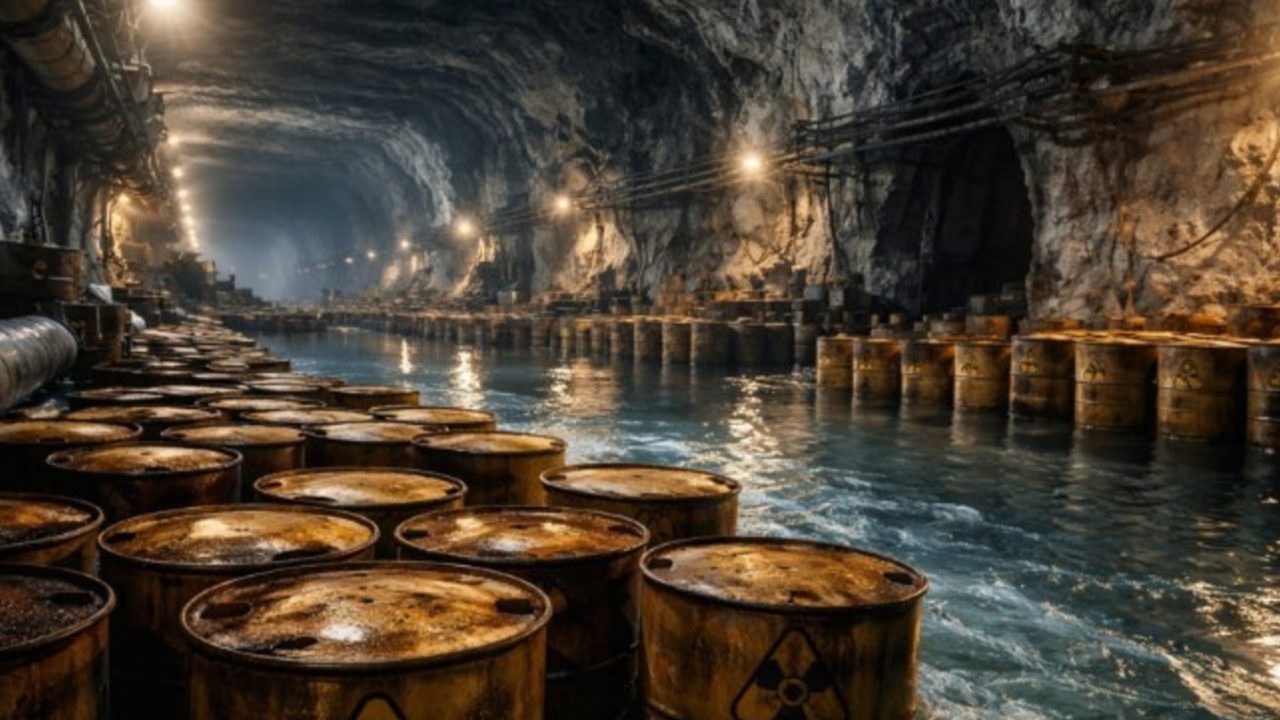

The Asse II mine in Hannover, Germany, a historical site controversially repurposed for nuclear waste disposal, is now confronting a severe new challenge: persistent saltwater infiltration. This continuous influx of water raises significant concerns regarding the mine’s structural stability and the potential for contact with approximately 126,000 barrels of radioactive material, which were deposited there between 1967 and 1978, according to reports from Clarin Deportes.
A Legacy of Nuclear Storage
The Asse II mine began its operational life in the early 20th century as a conventional salt and potash mine. Its extensive underground network comprises dozens of kilometers of galleries carved into a salt dome, a common geological formation in various German regions. In the 1960s and 1970s, many experts believed that deep salt formations were ideal for storing radioactive waste due to salt’s advantageous characteristics: low water permeability, the ability to deform slowly and self-seal cracks, and natural isolation at great depths.
These perceived benefits led researchers and authorities in what was then West Germany to utilize the mine as an experimental site for radioactive waste storage. In 1965, the German government acquired the facility and commenced preparations to receive low and medium-activity nuclear material. Over an eleven-year period, from 1967 to 1978, the mine received an estimated 126,000 containers of radioactive waste. These materials were placed at depths ranging from 725 to 750 meters below the surface, within galleries excavated in the salt beds.
The stored waste primarily includes contaminated equipment, laboratory waste, industrial filters, materials from nuclear research, and residues from nuclear power plants. Much of this material originated from German research centers and the rapidly expanding nuclear sector of that era. Initially, the operation was officially regarded as a scientific experiment rather than a permanent disposal solution. However, the sheer volume of waste accumulated over the years has transformed Asse II into one of Germany’s largest underground nuclear waste repositories.
The Emergence of a New Threat
Decades after its conversion into a repository, a critical geological problem has materialized. Constant saltwater filtration has begun to penetrate the mine, creating an increasingly perilous situation. Thousands of liters of saltwater are reportedly entering the mine daily, accumulating within its chambers. This infiltration poses a dual threat: the potential dissolution of the salt walls containing the radioactive barrels and the risk of direct contact between the saltwater and the hazardous materials. This scenario starkly contradicts the original expectation that the surrounding salt would provide a secure, long-term protective barrier. The structural collapse of the mine has allowed groundwater to filter through the saline rock, exacerbating the problem.
Unprecedented Rescue and Extraction Challenges
The rescue and extraction of these 126,000 barrels of radioactive waste from a depth of approximately 750 meters represent a mission of unparalleled complexity. The process is expected to demand the development of advanced technologies and presents significant engineering challenges, as reported by Clarin Deportes. The sheer scale and hazardous nature of the undertaking mean that many of the required technological solutions are still under development.
Financial and Time Implications
The German government has outlined plans for the retrieval of the nuclear waste from the Asse II site. This project, described as unprecedented in its scope and technical demands, is currently estimated to cost around €4.7 billion. The extraction efforts are not anticipated to begin before 2033, and projections indicate that the entire operation could take several decades to complete. The technical hurdles inherent in safely removing radioactive material from an increasingly compromised underground environment are substantial, transforming what began as a controlled scientific experiment into an extraordinarily complex engineering endeavor.
Key Asse II Mine Facts
| Detail | Description |
|———————–|————————————————————————————————————————————————————————————————————————————————————————————————————————————————————————————————————————————————————————————————————————————————————————————————————————————————————————————————————————————————————————————————————————————————————————————————————————————————————————————————————————————————————————————————————————————————————————————————————————————————————————————————————————————————————————————————————————————————————————————————————————————————————————————————————————————————————————————————————————————————————————————————————————————————————————————————————————————————————————————————————————————————————————————————————————————————————————————————————————————————————————————————————————————————————————————————————————————————————————————————————————————————————————————————————————————————————————————————————————————————————————————————————————————————————————————————————————————————————————————————————————————————————————————————————————————————————————————————————————————————————————————————————————————————————————————————————————————————————————————————————————————————————————————————————————————————————————————————————————————————————————————————————————————————————————————————————————————————————————————————————————————————————————————————————————————————————————————————————————————————————————————————————————————————————————————————————————————————————————————————————————————————————————————————————————————————————————————————————————————————————————————————————————————————————————————————————————————————————————————————————————————————————————————————————————————————————————————————————————————————————————————————————————————————————————————————————————————————————————————————————————————————————————————————————————————————————————————————————————————————————————————————————————————————————————————————————————————————————————————————————————————————————————————————————————————————————————————————————————————————————————————————————————————————————————————————————————————————————————————————————————————————————————————————————————————————————————————————————————————————————————————————————————————————————————————————————————————————————————————————————————————————————————————————————————————————————————————————————————————————————————————————————————————————————————————————————————————————————————————————————————————————————————————————————————————————————————————————————————————————————————————————————————————————————————————————————————————————————————————————————————————————————————————————————————————————————————————————————————————————————————————————————————————————————————————————————————————————————————————————————————————————————————————————————————————————————————————————————————————————————————————————————————————————————————————————————————————————————————————————————————————————————————————————————————————————————————————————————————————————————————————————————————————————————————————————————————————————————————————————————————————————————————————————————————————————————————————————————————————————————————————————————————————————————————————————————————————————————————————————————————————————————————————————————————————————————————————————————————————————————————————————————————————————————————————————————————————————————————————————————————————————————————————————————————————————————————————————————————————————————————————————————————————————————————————————————————————————————————————————————————————————————————————————————————————————————————————————————————————————————————————————————————————————————————————————————————————————————————————————————————————————————————————————————————————————————————————————————————————————————————————————————————————————————————————————————————————————————————————————————————————————————————————————————————————————————————————————————————————————————————————————————————————————————————————————————————————————————————————————————————————————————————————————————————————————————————————————————————————————————————————————————————————————————————————————————————————————————————————————————————————————————————————————————————————————————————————————————————————————————————————————————————————————————————————————————————————————————————————————————————————————————————————————————————————————————————————————————————————————————————————————————————————————————————————————————————————————————————————————————————————————————————————————————————————————————————————————————————————————————————————————————————————————————————————————————————————————————————————————————————————————————————————————————————————————————————————————————————————————————————————————————————————————————————————————————————————————————————————————————————————————————————————————————————————————————————————————————————————————————————————————————————————————————————————————————————————————————————————————————————————————————————————————————————————————————————————————————————————————————————————————————————————————————————————————————————————————————————————————————————————————————————————————————————————————————————————————————————————————————————————————————————————————————————————————————————————————————————————————————————————————————————————————————————————————————————————————————————————————————————————————————————————————————————————————————————————————————————————————————————————————————————————————————————————————————————————————————————————————————————————————————————————————————————————————————————————————————————————————————————————————————————————————————————————————————————————————————————————————————————————————————————————————————————————————————————————————————————————————————————————————————————————————————————————————————————————————————————————————————————————————————————————————————————————————————————————————————————————————————————————————————————————————————————————————————————————————————————————————————————————————————————————————————————————————————————————————————————————————————————————————————————————————————————————————————————————————————————————————————————————————————————————————————————————————————————————————————————————————————————————————————————————————————————————————————————————————————————————————————————————————————————————————————————————————————————————————————————————————————————————————————————————————————————————————————————————————————————————————————————————————————————————————————————————————————————————————————————————————————————————————————————————————————————————————————————————————————————————————————————————————————————————————————————————————————————————————————————————————————————————————————————————————————————————————————————————————————————————————————————————————————————————————————————————————————————————————————————————————————————————————————————————————————————————————————————————————————————————————————————————————————————————————————————————————————————————————————————————————————————————————————————————————————————————————————————————————————————————————————————————————————————————————————————————————————————————————————————————————————————————————————————————————————————————————————————————————————————————————————————————————————————————————————————————————————————————————————————————————————————————————————————————————————————————————————————————————————————————————————————————————————————————————————————————————————————————————————————————————————————————————————————————————————————————————————————————————————————————————————————————————————————————————————————————————————————————————————————————————————————————————————————————————————————————————————————————————————————————————————————————————————————————————————————————————————————————————————————————————————————————————————————————————————————————————————————————————————————————————————————————————————————————————————————————————————————————————————————————————————————————————
Key facts
- Source: Clarin Deportes
- Date: 2026-05-24T00:36:29+00:00
- Topic: El agua salada está inundando una antigua mina y se enfrenta a un enemigo inesperado: miles de bidones con material radi
Source
Clarin Deportes Original publication: 2026-05-24T00:36:29+00:00
Related news
Braga Secure Conference League League Phase Spot, Vicens Praises Team Resilience
SC Braga manager Carlos Vicens expressed satisfaction after his side secured a place in the UEFA Conference League league phase with a…
Read story
Chelsea WSL 2026-27 Season Preview: Transition, New Faces, and a Fresh Start at Stamford Bridge
Chelsea enter the new Women’s Super League season after a summer of major changes, with key departures, high-profile arrivals, and a move…
Read story
Celtic’s Champions League Collapse: A Timeline of the LASK Disaster
Celtic threw away a 4-0 aggregate lead against LASK in the Champions League qualifiers, suffering a humiliating 5-4 defeat after extra time.…
Read story
Body of Missing 5-Year-Old Belgian Boy Likely Found Near Football Club; Father Still Missing
The body of 5-year-old Tyméo Brigou, missing since late June, has likely been found in a wooded area just two kilometers from…
Read story