
Groningen to Fly Flag for Keti Koti, Becoming Third Province to Adapt Protocol
The province of Groningen will now officially fly its flag to commemorate the past of slavery and celebrate its abolition, joining Zeeland and Drenthe in adopting Keti Koti into their provincial flag protocols.
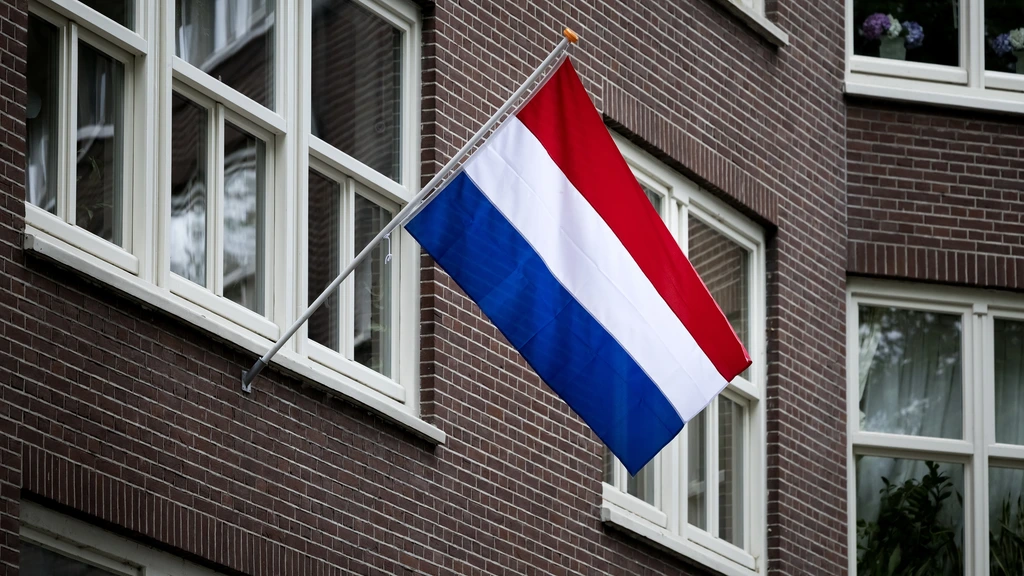
Groningen’s Provincial Executive has decided to integrate Keti Koti into its official flag protocol, making it the third Dutch province to formally recognize the commemoration and celebration of the abolition of slavery. This move signifies a growing acknowledgment of the Netherlands’ historical involvement in slavery and its lasting impact.
Provincial Flagging Schedule
Starting this year, Groningen will observe Keti Koti with specific flag protocols. On June 30th, the provincial flag will be flown at half-mast to mark the commemoration of the slavery past. The following day, July 1st, which is Keti Koti (‘broken chains’), the flag will be raised to full mast at the provincial house. This date, July 1st, commemorates the official abolition of slavery in the Dutch colonies in 1863, although it took another ten years for the practice to be fully ended.
Call to Other Provinces
Groningen’s decision follows the precedents set by Zeeland and Drenthe, which have already incorporated Keti Koti into their provincial flag traditions. Roemers, a deputy for the PvdA in Groningen, has publicly urged other provinces to adopt similar practices. “I call on all other provinces to also start flying the flag for Keti Koti,” Roemers stated, as reported by RTV Noord.
Historical Context and Recognition
The decision in Groningen also acknowledges the presence of thousands of residents with Surinamese or Antillean backgrounds within the province. Deputy Roemers emphasized the importance of this recognition, stating, “We find it more than appropriate to therefore fly the flag.” This initiative aligns with broader national efforts to confront and commemorate the Dutch slavery history, including formal apologies offered by King Willem-Alexander three years ago, and previously by Prime Minister Rutte.
National Flagging Guidelines
The national flagging instructions from the Dutch government outline a limited number of days when flags are flown on all government buildings. These include King’s Day, May 4th and 5th (Remembrance of the Dead and Liberation Day), the last Sunday in June (Veterans Day), and August 15th (commemoration of the end of World War II in the Dutch East Indies). However, provinces and municipalities retain the authority to add their own significant flag moments. Amsterdam, for instance, has for years flown the flag for Keti Koti, alongside the flags of Suriname and the Dutch Caribbean islands.
The inclusion of Keti Koti in Groningen’s provincial flag protocol is a step towards a more comprehensive national acknowledgment of the abolition of slavery. It provides a formal occasion for remembrance and celebration, reflecting the diverse heritage within the Netherlands.
Datos clave
| Event | Date | Flag Status |
|---|---|---|
| Slavery Remembrance | June 30 | Half-mast |
| Keti Koti (Celebration) | July 1 | Full mast |
| Official Abolition Date | July 1, 1863 | – |
This development is significant for FootballGames10 readers as it highlights the cultural and historical integration of important national events within provincial governance in the Netherlands. Understanding these adaptations provides context for national sentiment and the evolving recognition of historical injustices, which can indirectly influence societal discussions and community engagement related to sports and national identity.
Fuente: NOS Voetbal https://nos.nl/l/2615967
Source
NOS Voetbal Original publication: 2026-05-27T01:13:29+00:00
Related news

One Injured in Marble Hill Shooting; No Football Disruption Confirmed
A person was hospitalized after a shooting reportedly involving federal agents in New York’s Marble Hill neighborhood. The initial account identifies no…
Read story
Boca vs River Superclásico Confirmed for November 1 at La Bombonera
The Argentine Professional League has set the date and time for the next Boca Juniors vs River Plate Superclásico, scheduled for Sunday,…
Read story
Harry Kane equals Peter Shilton’s England caps record with two goals in Nations League win over Czechia
Harry Kane scored twice on the night he equalled Peter Shilton’s all-time England appearance record, leading the Three Lions to a 3-0…
Read story
Jesse Marsch says Canada “not afraid” as USMNT friendly intensifies rivalry
Canada coach Jesse Marsch has welcomed the pressure of facing the United States, stating his team is “not afraid” as the two…
Read story