
Haaland’s Dual Identity: Norway’s Star Faces Birth Nation England in World Cup Quarter-Final
Erling Haaland, born in Leeds, now leads Norway against England in a World Cup quarter-final, a clash of his roots and his adopted national pride.
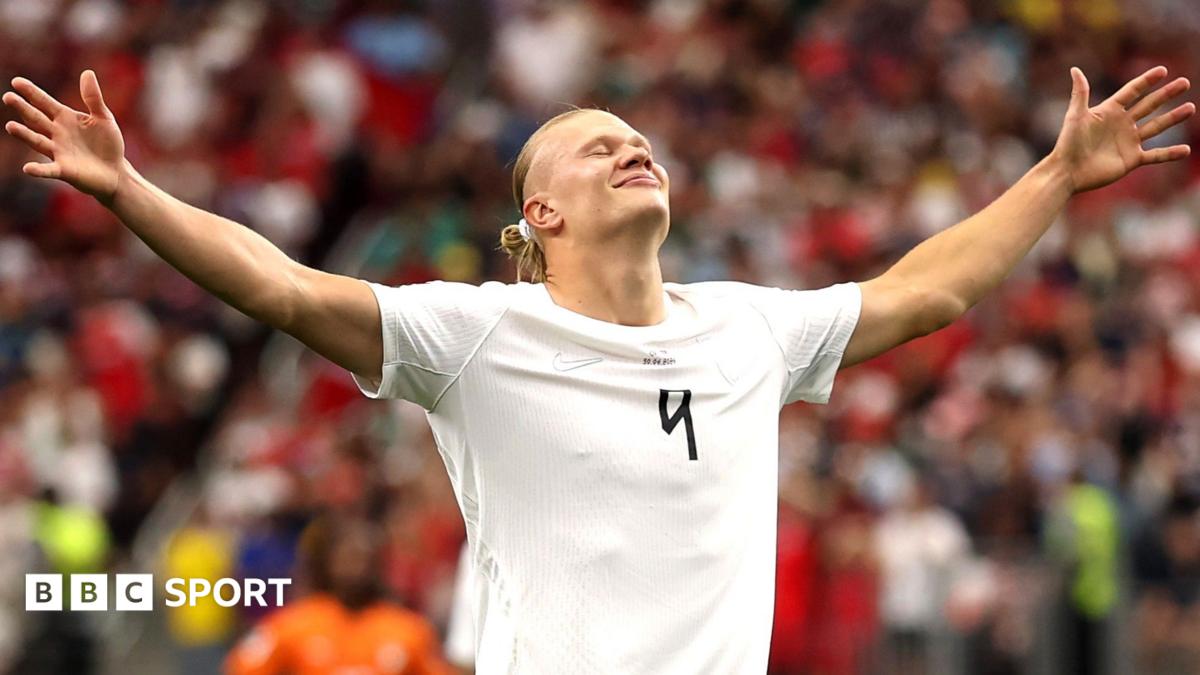
The World Cup quarter-finals will see a particularly poignant encounter as Norway, spearheaded by their talisman Erling Haaland, prepare to face England, the country of his birth. For Haaland, this match represents a collision of his personal history and his national allegiance, a journey that has taken him from Yorkshire to becoming the global icon for a nation of just 5.5 million people.
Norway’s World Cup Journey
This marks Norway’s first World Cup appearance since 1998, a long-awaited return that has been largely powered by the electrifying form of Erling Haaland. The Manchester City striker has been instrumental, scoring a remarkable 16 goals in eight qualifying matches and adding seven more in four appearances during the tournament proper. His performances have carried the hopes of a nation that has historically struggled to consistently reach major international competitions.
A Tale of Two Nations
Born in Leeds in 2000 while his father, Alf-Inge Haaland, was playing for Leeds United, Erling Haaland was eligible to represent England. However, his strong affinity for Norway, where his family moved shortly after his birth, meant his international future lay with the Scandinavian nation. This choice, though potentially limiting his chances of regular tournament participation and silverware, has ultimately led to a historic World Cup run.
Crafting a Superstardom
Haaland’s talent was recognized early at Norwegian club Bryne, and his development was carefully managed through youth systems and subsequent moves to Molde, Red Bull Salzburg, and Borussia Dortmund. His spell at Dortmund, where he formed a notable friendship with England’s Jude Bellingham, truly announced him on the world stage. His eventual transfer to Manchester City was seen as almost inevitable, given his father’s history and his own love for English football.
Norwegian Pride and Identity
Despite his global superstardom and success in England, Haaland remains deeply connected to his Norwegian roots. Norwegian football journalist Andreas Korssund notes that Haaland “knows exactly where he comes from and regularly visits his small hometown in Rogaland,” expressing immense pride in his heritage. This connection is evident in his decision to wear “Braut Haaland” on his national team jersey, incorporating his mother’s maiden name as per Norwegian tradition.
Norway’s Golden Generation?
While Haaland’s individual brilliance is undeniable, this Norwegian team is not a one-man show. Captain Martin Odegaard, fresh from winning the Premier League with Arsenal, has been a key playmaker in midfield. The squad also boasts other established top-level players like Alexander Sorloth and Jorgen Strand Larsen, alongside emerging talents such as Oscar Bobb and Patrick Berg. Some see this generation as potentially Norway’s best, drawing parallels to Belgium’s “golden generation.”
Key facts
| Detail | Information |
|---|---|
| Haaland’s Birthplace | Leeds, England |
| Haaland’s National Team | Norway |
| Norway’s WC Status | Quarter-Finals, first since 1998 |
| Opponent in QF | England |
| Norway Population | Approximately 5.5 million |
The clash between Norway and England promises to be more than just a football match; it’s a narrative of a global star facing the country of his birth, a testament to Haaland’s unique journey and Norway’s significant achievement in reaching the World Cup quarter-finals.
Source: BBC Sport Football – Born in Leeds, crafted in Norway – Haaland’s worlds about to collide, https://www.bbc.co.uk/sport/football/articles/cd7pqdyy9v2o
Source
BBC Sport Football Original publication: 2026-07-10T05:47:23+00:00
Related news
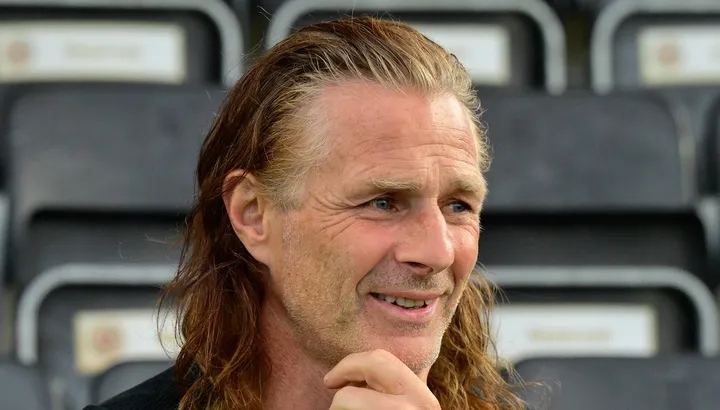
Gillingham vs Cambridge United: EFL Trophy Southern Group G Preview, Team News, and Prediction
League Two's in-form Gillingham host League One side Cambridge United in the EFL Trophy on Tuesday. We preview the clash with team…
Read story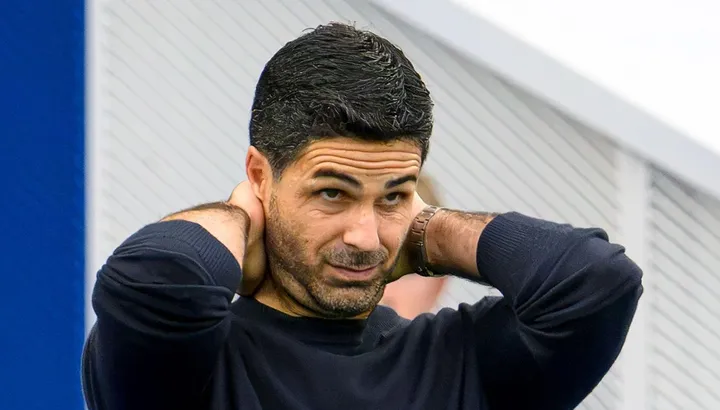
Brighton defeat exposes five cracks in Arsenal’s Premier League title defence
Arsenal’s perfect start to the season came to a sudden halt with a 3-0 loss at Brighton. The result has raised fresh…
Read story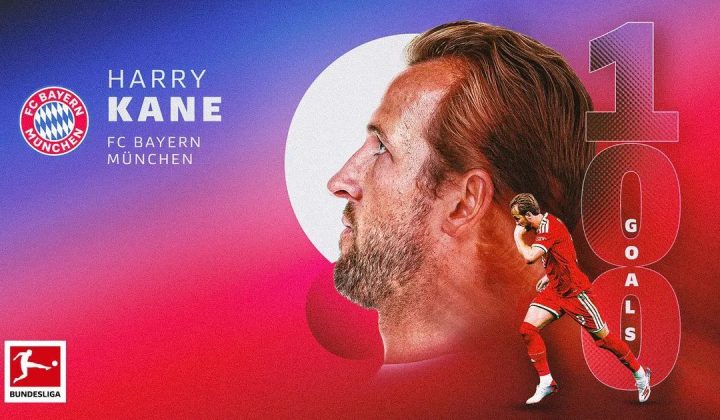
Harry Kane Fastest to 100 Bundesliga Goals, Reaches Milestone in 98 Appearances for Bayern Munich
Harry Kane scored his 100th Bundesliga goal in Bayern Munich’s 7-0 win over Union Berlin, setting a new record for the fastest…
Read story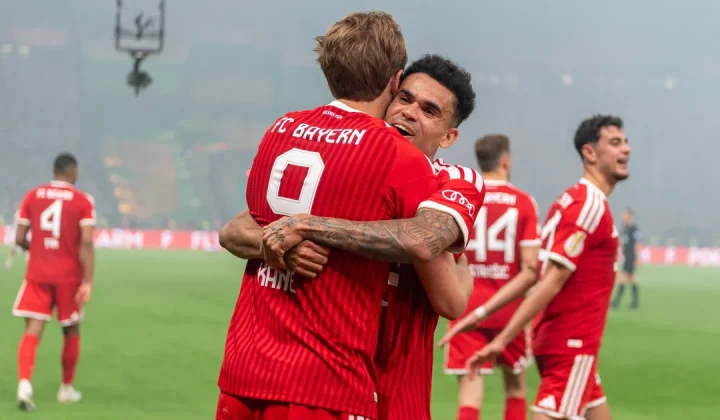
Bayern Munich’s Luis Díaz Backs Harry Kane for 2026 Ballon d’Or
Bayern Munich and Colombia forward Luis Díaz has publicly backed teammate Harry Kane to win the 2026 Ballon d'Or, calling the England…
Read story