How to read knockout football without overclaiming trends
A cautious explainer on how elimination matches can change pressing decisions, raise the value of set pieces and sharpen late-game management, without pretending a few matches prove a universal trend.
Short answer
Knockout football changes the consequences of mistakes. In matches that must produce a winner, teams may face extra time and penalties, so choices around pressure, restarts and late-game control can carry more weight than they do in a long league season. That does not mean every elimination tie becomes cautious or that any one tournament has already proved a tactical rule. It means fans should read these matches through game state, risk and match format first.
Date-checked note: This article is a format-based explainer, not a 2026 World Cup knockout-stage statistical review. Based on the currently verified source set, it does not make competition-specific claims about results, teams, or trend data.
Context: what knockout format actually changes
Under the Laws of the Game, some competitions use extra time and kicks from the penalty mark when a match must produce a winner. That alone makes knockout football different from most league matches, where a draw can stand and the season continues.
The safest conclusion is structural rather than statistical: when the format removes the safety net of “we can make it up next week,” decision-making becomes more sensitive. That is why pressing choices, set pieces and game management are useful lenses for watching knockout football, even when the available evidence does not support broad tournament-wide claims.
What can be said safely
A careful public claim is that knockout football often magnifies high-leverage moments. It is safer to say that than to claim a specific event has already “revealed” a proven trend without official data, dated match evidence and a named statistics source.
Why pressing is best judged by timing, not just effort
Pressing always involves risk and reward. In a knockout setting, that trade-off can feel sharper because a broken press may leave space behind the ball at exactly the wrong moment. That is an interpretation of match incentives, not a claim that all teams will press less.
What to watch in real time
Instead of asking whether a team pressed “a lot,” it is more useful to watch when it pressed and what happened behind the first line. Good moments to track include:
- goal-kicks and restarts near the box
- transitions just after a turnover
- the first spell after half-time
- late phases when one side is chasing the game
Extra time affects how intensity is read
Because knockout matches can continue beyond 90 minutes, energy management can become part of the tactical picture. That does not prove intensity will always drop, but it is a fair reason to be cautious about reading every slower spell as negativity or fear.
Why set pieces can matter more in tight matches
Corners and free-kicks create structured attacking situations. When open-play space is limited, those restarts can offer a repeatable route to threat through delivery, first contact and second balls. That is a format-aware reading of tight matches, not proof that one goal from a corner defines a whole tournament.
The key caution
One successful set piece can decide a knockout tie, but one successful set piece does not automatically show broader superiority. Fans should separate match-deciding moments from evidence of a wider trend.
Why game management gets more attention
Game management covers tempo, field position, substitutions and the balance between protecting a lead and still carrying a threat. In elimination football, those choices can dominate the final stages because the scoreboard matters more than style points.
A team dropping deeper after scoring is not automatically panicking. It may be making a deliberate trade-off. The better question is whether it still has enough structure, possession security or counterattacking outlets to avoid inviting constant pressure.
Summary box
- Knockout format raises the cost of mistakes.
- Pressing is often more useful to judge by timing and support than by effort alone.
- Set pieces can become more valuable when open-play margins are small.
- Game management often decides whether a lead survives.
- These are analytical lenses, not proven 2026 World Cup findings.
Comparison table: how to read common knockout-match patterns
| Theme | Why it can matter more in knockout football | What to watch live | Main caution |
|---|---|---|---|
| Pressing | A failed press can expose space at a decisive moment | Pressing triggers, support behind the ball, recovery shape | Visible effort is not the same as control |
| Set pieces | Tight games can turn on one restart | Delivery, first contact, second-ball reactions | One goal does not prove a wider trend |
| Game management | Protecting a lead becomes more valuable | Tempo, field position, substitutions, outlet passes | Sitting deep can be smart or risky depending on execution |
| Extra-time risk | Possible 120 minutes changes decision-making | Late intensity, bench use, conservative phases | Not every quiet spell is caused by fatigue |
Practical list: how fans can analyse knockout matches better
- Start with the scoreline and game state before judging style.
- Track pressing in short phases rather than by full-match impression.
- Separate open-play threat from dead-ball threat.
- Watch substitutions for shape changes as well as fresh legs.
- Reassess late decisions if extra time is still possible.
- Treat one dramatic moment as evidence from a match, not proof of a universal rule.
What readers should watch next
If you are watching knockout football and trying to avoid overreading it, focus on these checks:
- Is the pressure coordinated or just frantic?
- Are set pieces creating repeated danger or just one memorable moment?
- Can the leading team still play out or counter, or is it trapped?
- Do substitutions improve control or simply add bodies?
- Does the same pattern appear across several matches before you call it a trend?
Sources to verify before any tournament-specific version runs
To publish a true “what the 2026 World Cup knockout stage has revealed so far” article, these source types would need checking first:
- official FIFA competition pages and match documents
- tournament regulations or format pages
- official match reports and schedules
- a named and reputable football statistics provider
- at least one current, relevant news or analysis source tied to the matches being discussed
Short answer: are these proven trends?
No, not from the currently verified public evidence available for this draft. What this article can support is a careful explainer on how knockout football can magnify pressing decisions, set-piece value and game management. To move beyond that into tournament-specific claims, the article would need stronger current sourcing.
Sources
- The IFAB Laws of the Game — official framework for match format, extra time and penalty-kick resolution context.
Related news
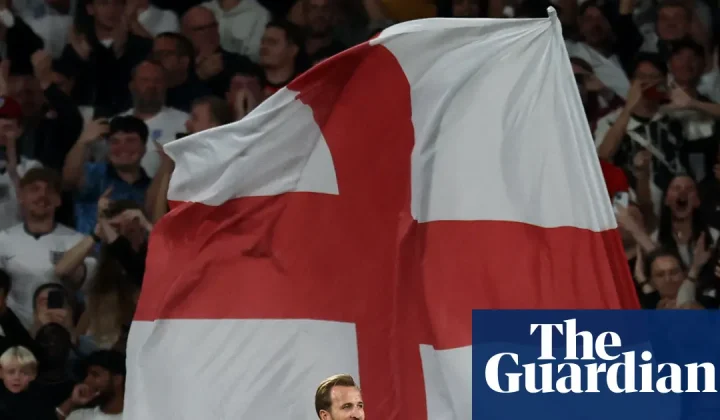
Harry Kane equals Peter Shilton’s England caps record with two goals in Nations League win over Czechia
Harry Kane scored twice on the night he equalled Peter Shilton’s all-time England appearance record, leading the Three Lions to a 3-0…
Read story
Jesse Marsch says Canada “not afraid” as USMNT friendly intensifies rivalry
Canada coach Jesse Marsch has welcomed the pressure of facing the United States, stating his team is “not afraid” as the two…
Read story
Scotland vs Slovenia: Nations League Group B1 Clash at Hampden Park
Scotland and Slovenia meet at Hampden Park in a pivotal Nations League Group B1 encounter, with both sides level on four points…
Read story
Padres Turn to Robbie Ray for NLDS Game 1 Start as Walker Buehler Goes on Paternity List
San Diego Padres manager Craig Stammen named Robbie Ray the starter for Game 1 of the NL Division Series against Milwaukee after…
Read story