
How Transfer Windows Reshape Ligue 1 Squads
Explore the profound impact of transfer windows on Ligue 1 team dynamics, examining how new arrivals and departures alter tactical approaches and league standings before the full effects are visible on the pitch.
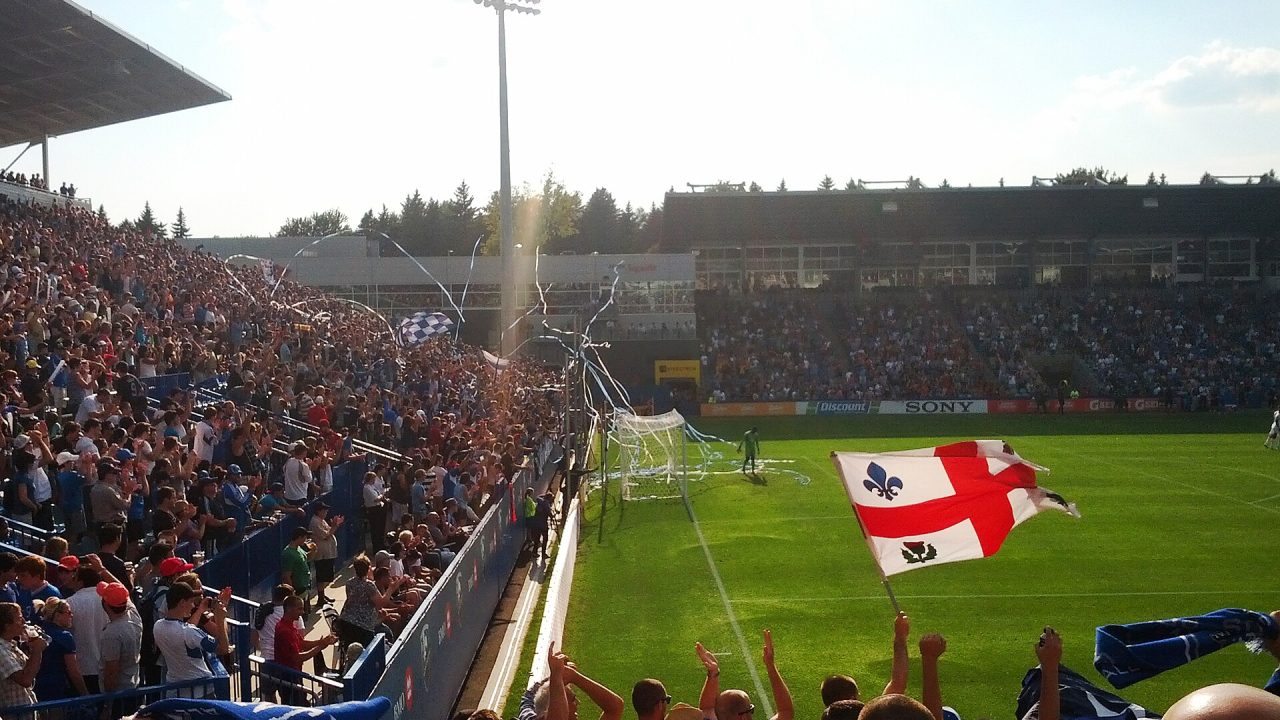
The rhythm of European football is punctuated by two critical periods: the summer and winter transfer windows. For France’s Ligue 1, these windows are not merely opportunities for clubs to sign new talent; they are seismic events that profoundly reshape squad compositions, tactical philosophies, and ultimately, the competitive balance of the league. The true impact of these changes often becomes apparent long after the window closes, but the seeds of future success or struggle are sown during these intense negotiation periods.
Unlike leagues with vast financial disparities, Ligue 1 often sees a more fluid movement of players, particularly promising young talents who use it as a springboard to elite European clubs. This creates a constant cycle of rebuilding and adaptation for many French teams, making the transfer window a high-stakes chess match for sporting directors and coaches.
The Strategic Imperative of the Summer Window
The summer transfer window, typically running from June to August, is by far the most significant. It’s when clubs undertake their major squad overhauls, driven by several key factors:
- Player Sales: Ligue 1 clubs, with the notable exception of Paris Saint-Germain, often operate as selling clubs. The financial health of many teams relies heavily on developing and then selling promising talents. This means anticipating departures and having succession plans in place. The sales of players like Aurélien Tchouaméni from Monaco to Real Madrid or Randal Kolo Muani from Eintracht Frankfurt (after leaving Nantes on a free) are prime examples of this model, impacting the selling club’s immediate on-field strength but bolstering their financial stability for future investments.
- Squad Strengthening: New coaches often bring new tactical systems, requiring specific player profiles. The summer window is their primary chance to acquire these players. A club aiming for European qualification might target experienced leaders, while one fighting relegation might prioritize defensive solidity or a prolific goalscorer.
- Youth Integration: Many Ligue 1 clubs pride themselves on their academies. The summer window provides an opportunity to integrate promising youth players into the first-team squad, often to fill gaps left by departures or to provide depth.
- Contract Management: Players entering the final year of their contracts often become subjects of transfer speculation. Clubs must decide whether to sell them, offer new terms, or risk losing them for free.
The decisions made during the summer window can dictate a team’s trajectory for the entire season. A successful window can propel a mid-table side into European contention, while a poor one can lead to an unexpected relegation battle.
Winter Window: Tactical Adjustments and Crisis Management
The January transfer window is shorter, typically lasting the entire month, and often serves a different purpose. While major overhauls are rare, it’s a crucial period for fine-tuning, injury cover, and addressing unforeseen weaknesses.
- Addressing Injuries: Long-term injuries to key players can derail a season. The winter window allows clubs to bring in temporary or permanent replacements to shore up their squad.
- Tactical Deficiencies: Halfway through the season, a coach might identify persistent tactical issues that require a specific type of player to resolve. For example, a lack of creativity in midfield or vulnerability at full-back could prompt a January signing.
- Boosting Morale: A new signing, especially one who makes an immediate impact, can inject fresh energy and confidence into a struggling squad.
- Offloading Unwanted Players: Players who haven’t performed or are surplus to requirements can be moved on, freeing up wages and squad spots.
While less dramatic than the summer window, a shrewd January signing can be the difference between achieving a season’s objective and falling short. Conversely, panic buying can lead to expensive mistakes that burden the club in the long run.
The Ripple Effect on League Dynamics
The true reshaping of Ligue 1 squads through transfers often isn’t immediately reflected in the league table. It’s a more subtle, evolving process:
- Shifting Power Balances: When a top talent moves from one Ligue 1 club to another (less common, but it happens), or when a key player departs for a foreign league, it directly impacts the competitive balance. A club losing its star striker will likely see a dip in goal output, while a rival strengthening that position gains an advantage.
- Tactical Evolution: New players bring new attributes, forcing coaches to adapt their formations and strategies. A team that previously relied on a target man might switch to a more fluid attacking system with a pacy winger, fundamentally changing their style of play.
- Squad Depth and Resilience: Transfers impact depth. A team with a strong bench, bolstered by smart signings, is better equipped to handle injuries, suspensions, and fixture congestion, giving them an edge over the course of a long season.
- Financial Disparity: PSG’s ability to attract and retain world-class talent due to their financial power creates a significant gap. However, the consistent sales from other clubs mean the league remains a vibrant marketplace for emerging stars, ensuring a constant influx of new talent, even if it often moves on quickly.
Key Ligue 1 Transfer Trends
Here’s a snapshot of common scenarios impacting Ligue 1 squads:
| Scenario | Impact on Squad | Typical Clubs Involved | Outcome for League Table (Delayed) |
|---|---|---|---|
| Star Player Sale | Loss of key attacking/creative output; financial gain | Monaco, Lille, Lyon, Rennes | Short-term dip, long-term stability/reinvestment |
| Experienced Arrival | Added leadership, tactical stability, depth | Mid-table aspirants, top 4 | Improved performance, consistency, higher finish |
| Youth Promotion | Raw talent, energy, potential; learning curve | Nantes, Toulouse, Lens | Unpredictable, but can be a long-term success |
| Loanee Impact | Short-term solution for specific role/injury | Most clubs | Immediate impact, but temporary solution |
Actionable Takeaways for Readers
For fans and observers of Ligue 1, understanding the nuances of the transfer windows offers a deeper appreciation of the league’s dynamics:
Look Beyond the Headlines: Don’t just focus on the star signings. Assess how new players fit into a team’s overall tactical scheme and address specific weaknesses identified by the coaching staff.
2. Monitor Departures Closely: The players who leave a club can be just as impactful as those who arrive, especially if they are key figures. A team losing its captain or top scorer faces a significant challenge.
3. Consider Managerial Philosophy: A new manager often signals a shift in transfer strategy. Researching a coach’s preferred playing style can give clues about the types of players they will target.
4. Track Youth Academy Graduates: Ligue 1 is a hotbed for young talent. Keep an eye on academy players promoted to the first team, as they often represent the future of their clubs and the league.
5. January Window for Course Correction: The winter window provides critical insights into a team’s self-assessment. Are they addressing clear deficiencies, or are they making panic buys? This can be a strong indicator of their second-half performance.
The transfer windows are more than just a spectacle of speculation and big money; they are fundamental mechanisms that continually reshape Ligue 1. The strategic decisions made during these periods lay the groundwork for a club’s identity, performance, and position in the league long before the final whistle of the season.
Related news
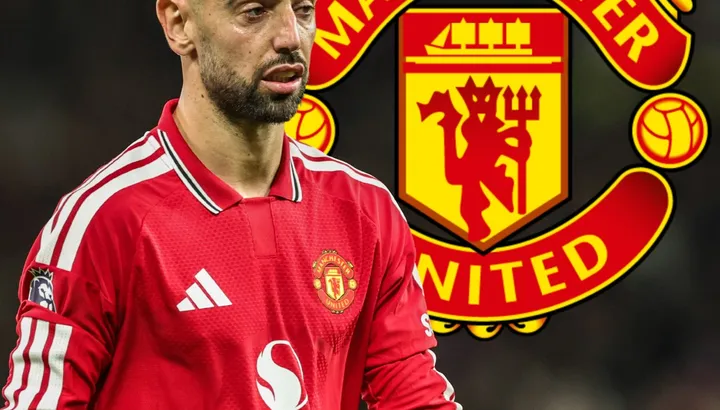
Bruno Fernandes Contract Talks Underway as Man United Face Key Summer Decisions
Manchester United are in active discussions with captain Bruno Fernandes over a contract extension, according to reports, as the 32-year-old enters the…
Read story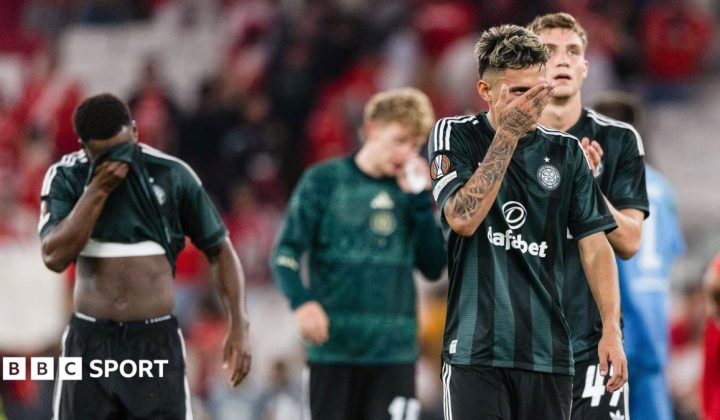
Celtic’s Europa League struggles deepen as Benfica expose familiar flaws
A 4-1 defeat in Lisbon leaves Celtic with two losses from two Europa League group games. Martin O’Neill sees positives in the…
Read story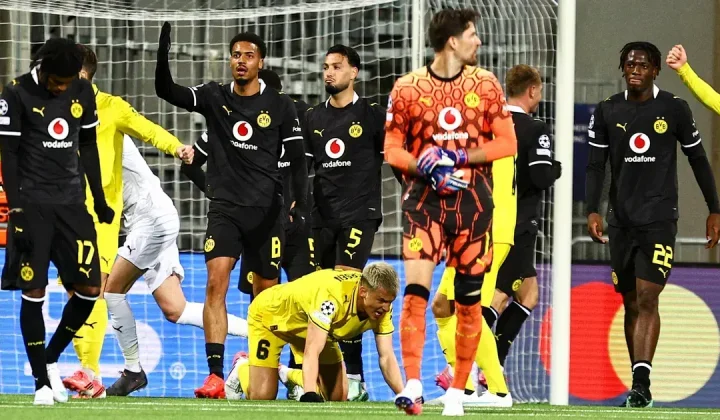
Borussia Dortmund Fall to Bodø/Glimt in Champions League Shock
Fredrik Sjøvold’s second-half strike gave the Norwegian side a 1-0 win over Niko Kovač’s Dortmund, who struggled to break down a disciplined…
Read story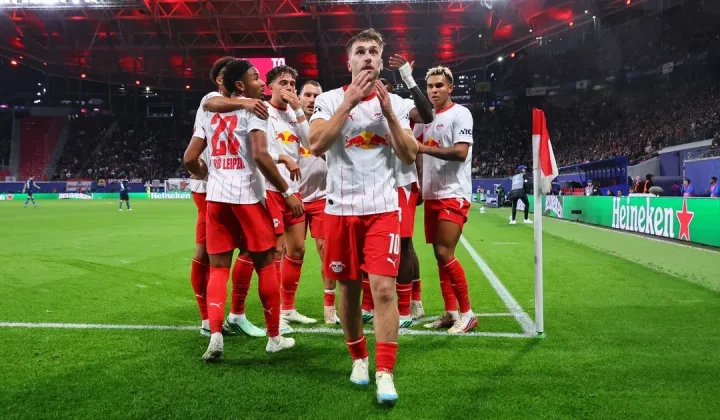
Brajan Gruda Strike Gives RB Leipzig 1-0 Champions League Win Over PSV
Brajan Gruda scored in the 75th minute after Maarten Vandevoordt saved an Ivan Perisic penalty as RB Leipzig defeated PSV Eindhoven 1-0.
Read story